Short answer: The Bible emphasizes the reality of consequences throughout its teachings. Notable verses include Galatians 6:7-9, which states, "A man reaps what he sows," and Proverbs 23:7, reminding us that our thoughts shape our actions.
Understanding the Consequences: Insights from the Bible
The Bible is not only a sacred text for millions around the world, but it also serves as a profound resource for understanding human behavior, morality, and the consequences of our actions. Throughout its verses, the Bible illustrates that our choices bear weight and lead to significant outcomes, both positive and negative. In this blog post, we’ll dive deep into the concept of consequences as depicted in biblical scripture, shedding light on how these passages resonate with our lives today.
The Nature of Consequences in the Bible
What Are Consequences?
Consequences are the outcomes or reactions that follow an action or decision. In a biblical context, this idea is often linked to the principles of sowing and reaping. The Bible teaches that every action has repercussions that can affect not only the individual but also the community around them.
“As a Man Thinks, So He Is” (Proverbs 23:7)
One of the pivotal verses that highlight the consequences of our thoughts and behaviors is found in Proverbs. This verse underscores a fundamental truth: our inner thoughts shape our external reality. This principle encourages believers to cultivate positive, constructive thoughts as these will ultimately lead to fruitful actions.
Biblical Examples of Consequences
Adam and Eve: The Original Consequence
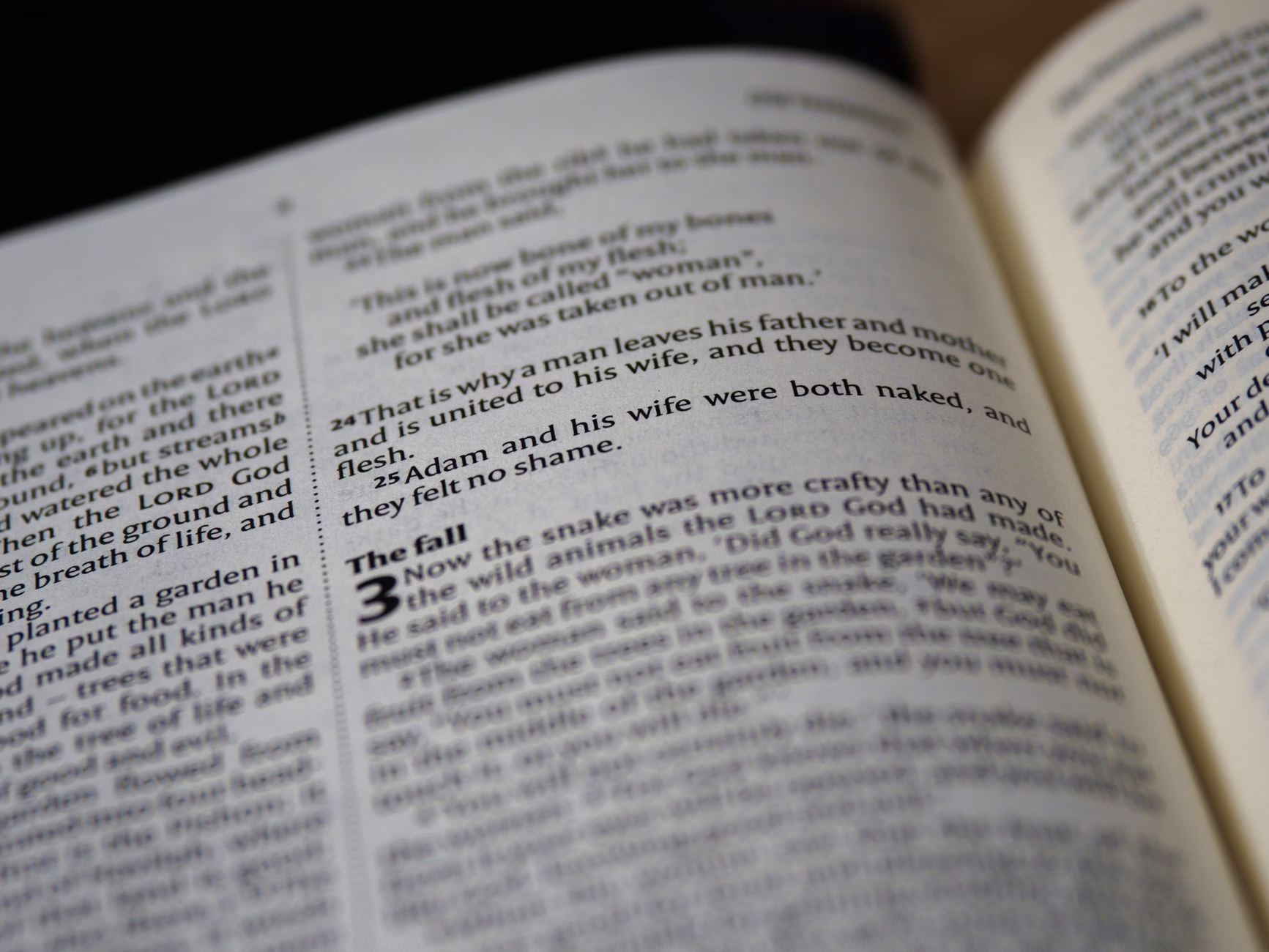
The story of Adam and Eve in the Book of Genesis (Genesis 3) provides a foundational narrative regarding the consequences of choices:
- Choice: Disobedience to God’s command.
- Consequence: Expulsion from the Garden of Eden and entering a life of hardship.
This story not only serves to illustrate the immediate consequence of sin but also emphasizes the long-term implications of our choices, affecting generations.
David and Bathsheba: A Lesson in Accountability
King David’s affair with Bathsheba (2 Samuel 11) is another compelling example:
- Choice: David’s lust leads to adultery and subsequently to murder.
- Consequences: David faced severe personal turmoil, family strife, and the loss of his child.
David’s story showcases how our decisions can ripple outwards, impacting relationships and communities and reminding us that accountability is vital.
The Prodigal Son: Redemption and Consequences
In the New Testament, the Parable of the Prodigal Son (Luke 15:11-32) beautifully illustrates the dual nature of consequences:
- Choice: The son squanders his inheritance on reckless living.
- Consequences: He faces poverty and isolation but ultimately finds redemption.
This parable reveals that while consequences can be dire, there is also a pathway to healing and forgiveness through repentance and returning to one’s roots.
The Positive Side of Consequences
Sowing Seeds of Righteousness
Not all consequences are negative. The Bible also speaks about the rewards of righteous living:
- Galatians 6:7-9: “A man reaps what he sows.” This verse reminds us that good deeds yield good results.
Positive consequences include:
- Strengthened relationships
- Personal growth and maturity
- A sense of fulfillment and peace
Standing Firm in Trials
James 1:12 states, “Blessed is the one who perseveres under trial because, having stood the test, that person will receive the crown of life that the Lord has promised to those who love Him.” Here, we see that enduring trials can lead to spiritual growth and a deeper faith, demonstrating that consequences can indeed be a source of blessing.
Applying Biblical Consequences to Our Lives
Reflecting on Our Choices
Understanding the biblical principle of consequences prompts us to reflect on our daily decisions. Here are a few steps to consider:
- Self-Examination: Regularly evaluate your choices and their potential impacts.
- Informed Decision-Making: Seek wisdom through prayer and scripture to guide your actions.
- Accountability: Surround yourself with trusted friends or mentors who can provide perspective and support.
Embracing Forgiveness and Redemption
It’s important to recognize that while we face consequences for our actions, the Bible continually emphasizes the message of forgiveness. Romans 8:1 reminds us that “there is now no condemnation for those who are in Christ Jesus.” This assurance allows individuals to move forward, learning from their mistakes without being defined by them.
Conclusion: The Wisdom of Consequences
The biblical perspective on consequences is clear: every choice carries weight, providing valuable lessons that can guide our moral compass. Whether we face hardships from our decisions or reap the rewards of righteous living, the scriptures offer profound insights into the nature of our actions.
By understanding and embracing these truths, we can navigate life’s complexities with wisdom, compassion, and an awareness of the far-reaching effects our choices hold. As we reflect on our paths, let us strive to sow seeds of positivity, righteousness, and grace, knowing that in doing so, we ultimately pave the way for a bountiful harvest in our lives and the lives of those around us.
Key Takeaways
- Every action has repercussions in life, both positive and negative.
- Sowing and reaping is a key biblical principle relating to consequences.
- Forgiveness and redemption are essential themes, allowing growth from mistakes.
- Righteous living yields positive consequences, enriching both relationships and personal fulfillment.
Reflect on Your Choices
Regular self-examination helps you understand the impact of your decisions. Seek wisdom through prayer and counsel to guide your actions.
Frequently Asked Questions
What are some biblical examples of consequences?
Examples include Adam and Eve's expulsion from Eden (Genesis 3) and David's turmoil following his sin with Bathsheba (2 Samuel 11).
How can I focus on positive consequences?
Engage in righteous living and cultivate constructive thoughts, as highlighted in Proverbs 23:7 and Galatians 6:7-9.
Is forgiveness mentioned in relation to consequences?
Yes, Romans 8:1 states that there is no condemnation for those in Christ Jesus, emphasizing forgiveness amid consequences.
How can I apply biblical teachings on consequences to my life?
Reflect on your choices, seek wisdom from scripture, and surround yourself with supportive friends for accountability.
The Bottom Line
Understanding the consequences embedded in biblical teachings helps us navigate life more wisely. Remember that with every decision, you can seek God's guidance for positivity and growth, and find hope in His forgiveness.