Discovering Church: Bible Verse About Church Being Anywhere
Explore the Bible verse about church being anywhere and discover its implications for your faith and community.
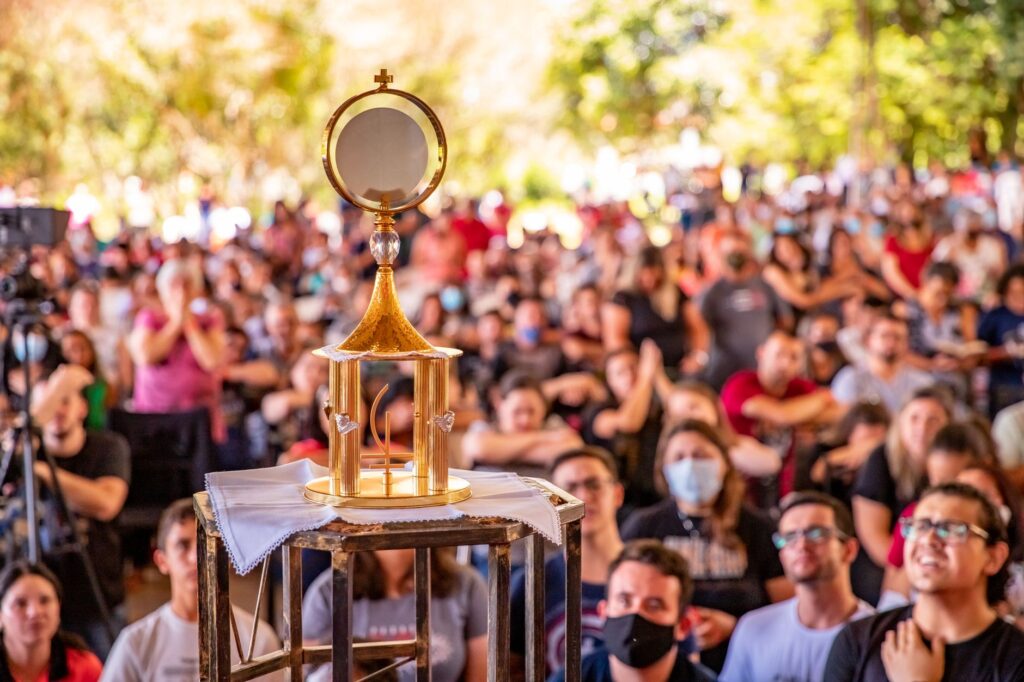
Key Takeaways
- The church is not confined to a building.
- Scripture emphasizes community and fellowship.
- Worship can happen anywhere believers gather.
- Understanding the church's nature encourages personal faith.
The concept of church has often been limited to a physical building where believers gather for worship and fellowship. However, the Bible teaches that the church is far more than just a structure; it is the collective body of Christ made up of all believers. This understanding reshapes how we view our faith community, emphasizing that church can truly be anywhere believers come together in His name. In this article, we will explore key Scripture passages that illustrate this truth, offering encouragement and practical insights for everyday Christians.
Understanding that the church is not confined to a specific place can bring freedom and joy to our spiritual lives. It allows us to recognize God’s presence in various contexts, whether at home, in a park, or even at work. This perspective encourages us to cultivate a spirit of worship and community in all aspects of our lives. Let’s dive into the Scriptures to see what they say about the church being anywhere.
Defining the Church in Scripture
To grasp the concept of church being anywhere, we must first understand the biblical definition of the church itself. In the New Testament, the word for church is derived from the Greek term ‘ekklesia,’ which means ‘called out ones.’ This term emphasizes that the church comprises individuals who have been called out of the world to follow Christ.
Throughout the New Testament, we see that the church is described not as a building but as a living organism. In 1 Corinthians 12:12-14, the Apostle Paul writes, “For just as the body is one and has many members, and all the members of the body, though many, are one body, so it is with Christ. For in one Spirit we were all baptized into one body, Jews or Greeks, slaves or free, and all were made to drink of one Spirit. For the body does not consist of one member but of many.” This passage illustrates that the church is the body of Christ, comprising various members who work together for His purposes.
Additionally, in Ephesians 2:19-22, Paul states, “So then you are no longer strangers and aliens, but you are fellow citizens with the saints and members of the household of God, built on the foundation of the apostles and prophets, Christ Jesus himself being the cornerstone, in whom the whole structure, being joined together, grows into a holy temple in the Lord. In him, you also are being built together into a dwelling place for God by the Spirit.” Here, Paul emphasizes that believers are being built together, forming a spiritual house where God dwells. This spiritual reality further underscores that the church is not confined to a physical location.
The Church as a Community
One of the essential aspects of the church being anywhere is its nature as a community of believers. In Acts 2:42-47, we find a beautiful depiction of the early church: “And they devoted themselves to the apostles’ teaching and the fellowship, to the breaking of bread and the prayers. And awe came upon every soul, and many wonders and signs were being done through the apostles. And all who believed were together and had all things in common. And they were selling their possessions and belongings and distributing the proceeds to all, as any had need. And day by day, attending the temple together and breaking bread in their homes, they received their food with glad and generous hearts, praising God and having favor with all the people. And the Lord added to their number day by day those who were being saved.”
This passage highlights that the church was marked by togetherness and fellowship. The believers met both in the temple and in their homes, demonstrating that worship and community can occur in various settings. The early church’s commitment to sharing life together illustrates that any gathering of believers can be a church, regardless of location.
In practical terms, this means that whether you find yourself in a coffee shop with friends discussing faith, in a park holding a prayer meeting, or even in your home hosting a Bible study, you are participating in the church. The church is where believers gather to encourage one another, pray, and grow in their faith together, and it can take place in countless environments.
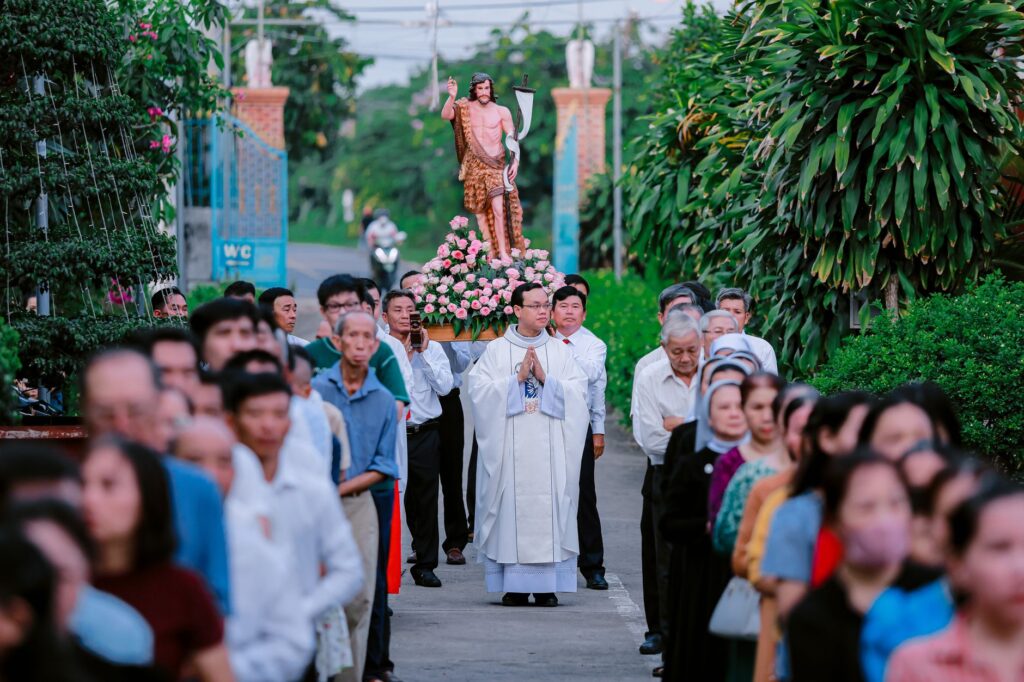
Worshiping Anywhere
Another vital aspect of understanding that the church can be anywhere is recognizing that worship is not limited to a church building. Romans 12:1 encourages us to live a life of worship: “I appeal to you therefore, brothers, by the mercies of God, to present your bodies as a living sacrifice, holy and acceptable to God, which is your spiritual worship.” Our worship is expressed through our daily lives, not just through structured services on Sundays.
In John 4:23-24, Jesus speaks to the Samaritan woman at the well, saying, “But the hour is coming, and is now here, when the true worshipers will worship the Father in spirit and truth, for the Father is seeking such people to worship him. God is spirit, and those who worship him must worship in spirit and truth.” This passage highlights that true worship transcends physical locations and rituals. It is about the heart’s posture toward God, which can be cultivated anywhere.
Consider a scenario where a group of friends gathers for a picnic in a local park. They take a moment to pray and thank God for the beauty of creation and their friendship. This simple act of gratitude and acknowledgment of God’s presence transforms their gathering into a worship experience, demonstrating that church can indeed happen in any place.
The Importance of Fellowship
Fellowship is a crucial element of the church experience. Hebrews 10:24-25 encourages believers not to neglect meeting together: “And let us consider how to stir up one another to love and good works, not neglecting to meet together, as is the habit of some, but encouraging one another, and all the more as you see the Day drawing near.” This passage emphasizes the importance of community in encouraging and building one another up in faith.
When we gather as believers, whether in a formal church setting or informally, we create opportunities for fellowship that strengthens our faith. This can look like small groups, community service projects, or simply sharing meals together. Each of these gatherings embodies the essence of the church as a community of believers encouraging one another.
For instance, imagine a group of coworkers who meet weekly for lunch to discuss their lives and pray for one another. Their lunch meetings transform the breakroom into a sanctuary of fellowship, demonstrating that the church can manifest in everyday situations. The encouragement and support they provide each other reflect the heart of the church, regardless of where they meet.
Building Relationships with God and Others
Understanding that the church is anywhere opens up possibilities for deepening our relationships with God and others. In Matthew 18:20, Jesus assures, “For where two or three are gathered in my name, there am I among them.” This promise reinforces the idea that God’s presence is with us when we gather, regardless of the location. It encourages believers to be intentional about nurturing their relationships with God and with one another.
The church being anywhere allows us to create spaces for connection and spiritual growth. Whether through casual meetups, organized events, or spontaneous gatherings, every situation can be an opportunity to experience God’s presence and share His love with others. Each interaction becomes a chance to reflect Christ’s love and grace.
In daily life, this could look like inviting a neighbor over for coffee and discussing faith, having a prayer walk with a friend, or volunteering at a local charity. Each of these activities fosters a sense of community and belonging, reinforcing the truth that the church is not confined to a building but is alive wherever believers unite.

Practical Steps to Embrace Church Anywhere
As we embrace the reality that the church can be anywhere, we can take practical steps to cultivate this understanding in our lives. Here are some suggestions:
- Invite Others: Take the initiative to invite friends or family to join you for a Bible study, prayer meeting, or even a casual coffee. Building relationships in a relaxed setting can lead to meaningful discussions about faith.
- Engage in Community Service: Participate in local outreach programs or volunteer opportunities. Serving others together is a beautiful way to experience the church in action.
- Establish Regular Gatherings: Form a small group with friends or fellow believers to meet regularly. This could be for prayer, studying the Word, or simply enjoying each other’s company.
- Practice Worship Anywhere: Incorporate worship into your daily routine. This could involve listening to worship music while commuting or taking time to pray and reflect in nature.
The Church as a Living Body
Understanding the Body of Christ
In 1 Corinthians 12:12-13, Paul explains that the church is likened to a body, emphasizing that just as a body has many parts with distinct functions, so does the church. The diversity within the body of Christ is vital for its growth and effectiveness. Each member has unique gifts and abilities, which contribute to the overall health of the church. In verse 12, Paul states, “For just as the body is one and has many members, and all the members of the body, though many, are one body, so it is with Christ.” This imagery invites us to recognize our interconnectedness and the responsibility we share in the mission of the church.
The Role of Each Member
As members of the body, we are called to serve one another, utilizing our individual gifts to build up the church. Romans 12:4-6 illustrates this concept further, stating, “For as in one body we have many members, and the members do not all have the same function, so we, though many, are one body in Christ, and individually members one of another. Having gifts that differ according to the grace given to us, let us use them.” To embrace this, we must understand our gifts and actively seek ways to serve within our communities.
- Identify your spiritual gifts through prayer and reflection.
- Engage in community service that aligns with your strengths.
- Encourage others to discover and use their gifts as well.

The Church’s Mission Beyond Walls
The Great Commission
Jesus’ final instructions to His disciples, known as the Great Commission, found in Matthew 28:19-20, remind us that the mission of the church extends beyond the four walls. Jesus commands, “Go therefore and make disciples of all nations, baptizing them in the name of the Father and of the Son and of the Holy Spirit, teaching them to observe all that I have commanded you.” This call to action emphasizes the importance of evangelism and discipleship in everyday life.
Living as Disciples Anywhere
Being part of the church means being active representatives of Christ in our daily environments. In Colossians 3:23-24, we are encouraged to work heartily, as for the Lord, not for men. This perspective transforms our workplaces, schools, and homes into mission fields. We are called to live out our faith authentically, demonstrating Christ’s love in every interaction.
- Share your testimony with friends and family.
- Volunteer in local charities or ministries.
- Engage in conversations about faith in natural settings.
Creating Sacred Spaces Anywhere
The Importance of Prayer and Worship
Creating sacred spaces for prayer and worship is essential for cultivating our relationship with God. In Matthew 18:20, Jesus reassures us, “For where two or three are gathered in my name, there am I among them.” This verse highlights that church can occur wherever believers come together in His name, whether in homes, parks, or coffee shops.
Practicing Presence with God
To create a sacred space, we must prioritize our time with God. This can be achieved through personal and communal prayer, scripture reading, and worship. Psalm 46:10 encourages us to “Be still, and know that I am God.” Taking time to be still and invite God’s presence into our lives allows us to experience His fullness, whether alone or with others.
- Set aside a specific time for prayer and meditation.
- Create a personalized worship playlist.
- Invite friends to join you for a prayer walk.
Frequently Asked Questions
What does it mean that the church is anywhere?
The idea that the church is anywhere means that the community of believers can gather and worship in various locations, not just in a physical church building. It emphasizes the importance of relationships, fellowship, and worship in any setting.
How can I experience church outside of a building?
Experiencing church outside a building can happen through small groups, prayer meetings, community service, or simply spending time with fellow believers in everyday activities like meals or coffee. The focus is on building relationships and worshiping together.
Is it necessary to attend a physical church?
While gathering as a community in a physical church is beneficial for growth and support, the essence of the church is the body of believers. It’s important to engage with other Christians, whether in a building or elsewhere, to encourage one another in faith.
How can I foster a sense of community in my daily life?
You can foster community by being intentional about relationships, inviting others into your life, participating in group activities, and creating spaces for open discussions about faith and encouragement.
The Bottom Line
The Bible verse about church being anywhere reveals a profound truth about the nature of our faith community. The church is not confined to a building but is the body of believers who come together to worship, encourage, and support one another. By understanding this, we open ourselves to experiencing God’s presence and love in various aspects of our lives. Whether in our homes, parks, or workplaces, we can embody the church and fulfill our calling as members of the body of Christ.
Keep reading
More Church & Community →



Weekly encouragement
Grow in the Word, one email at a time.
Free Bible study guides, prayer help and a verse to carry through your week. No spam, unsubscribe anytime.
Join the conversation