
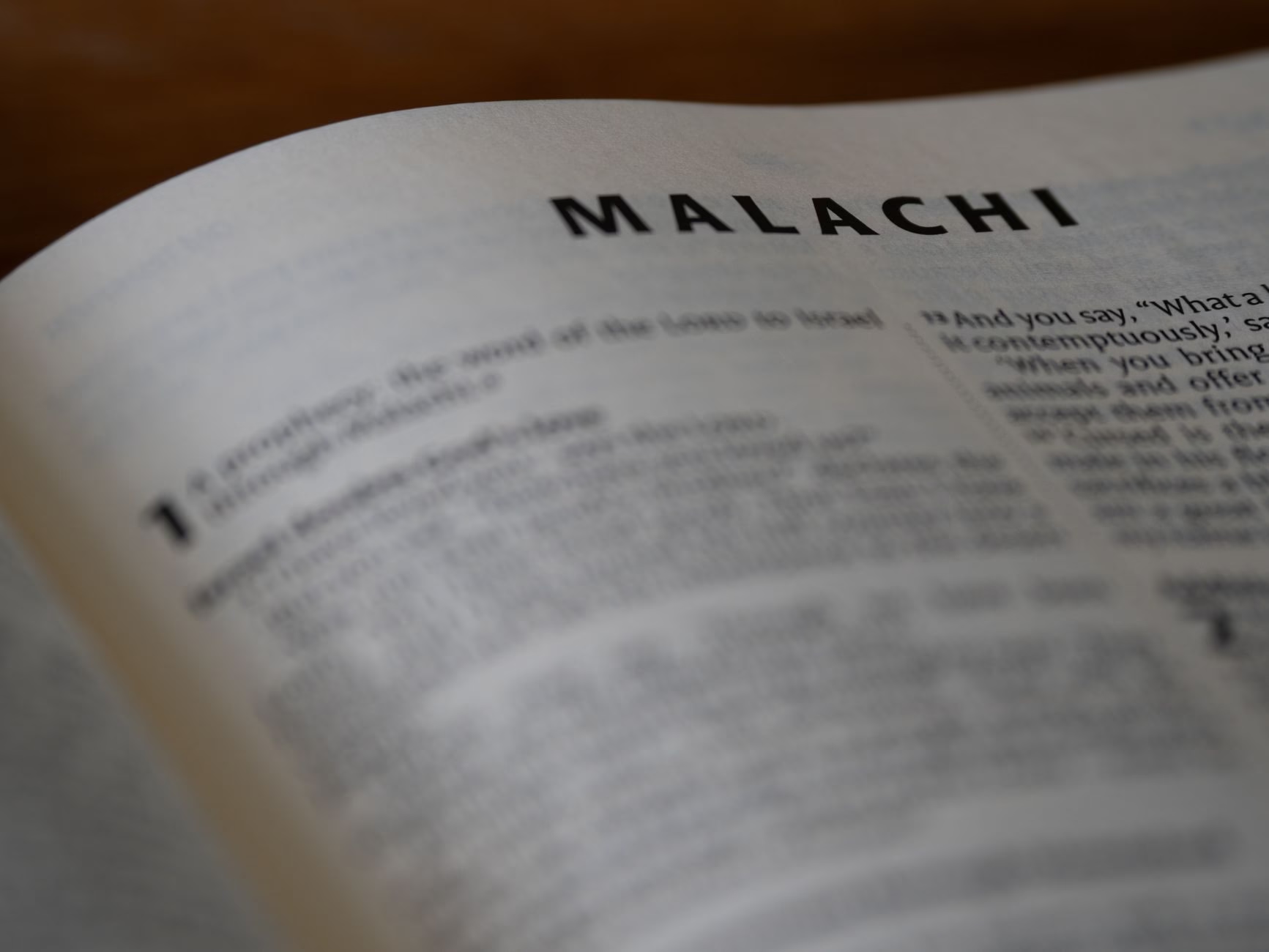
The Sacred Bedrock of Our Faith
For many Christians, the thirty-nine books of the Old Testament can feel intimidating. We encounter detailed ceremonial laws, complex genealogies, and vast historical narratives that seem distant from our everyday lives. Yet, to view the first portion of the Bible as a discarded prologue to the New Testament is to miss the vibrant foundation of our entire faith. The Scriptures that Jesus read, quoted, prayed, and lived by were these very pages. When Christ walked the road to Emmaus, He opened the Law, the Prophets, and the Psalms to show His followers everything written concerning Himself.
From its opening sentence, the Old Testament establishes the eternal majesty and sovereignty of God. It sets the stage for everything we understand about humanity, sin, justice, and redemption.
“In the beginning, God created the heavens and the earth.” – Genesis 1:1
This foundational declaration reminds us that we belong to a purposeful Creator. The universe is not an accident, and neither are our lives. Throughout every page of the Old Testament, God reveals His timeless nature—a nature that does not shift or fade with passing eras.
“The grass withers, the flower fades, but the word of our God will stand forever.” – Isaiah 40:8
A God of Steadfast Love and Faithful Covenants
One of the greatest misunderstandings about the Old Testament is the notion that it presents a God of harsh judgment, while the New Testament reveals a God of grace. In truth, the Old Testament overflows with unearned mercy and persistent love. God continuously reaches down to a straying humanity, binding Himself to His people through unconditional promises.
When God revealed His name and character to Moses on Mount Sinai, He did not lead with terror or wrath. Instead, He declared the deep, compassionate heart of His divine identity.
“The LORD, the LORD, a God merciful and gracious, slow to anger, and abounding in steadfast love and faithfulness…” – Exodus 34:6
The Hebrew word often translated as “steadfast love” is hesed—a rich term denoting covenant loyalty, persistent kindness, and unending devotion. God’s commitment to His people in the Old Testament was never based on their moral perfection, but on His own unfailing character. When Abraham believed God’s promise despite his own human limitations, God met him with grace.
“And he believed the LORD, and he counted it to him as righteousness.” – Genesis 15:6
This tender interplay between divine grace and human faith runs through every narrative from Genesis to Malachi. God repeatedly welcomes back the broken, forgives the repentant, and remains faithful even when His people prove faithless.
A Refuge for the Honest and Wounded Heart
The Old Testament gives us the poetic books—most notably the Psalms—where every human emotion is laid bare before God. In these sacred songs, we find a sanctuary for our joys, our doubts, our griefs, and our deepest longings. The psalmists did not hide their pain behind pious language; they brought their confusion, anger, and sorrow straight to the throne of heaven.
Through the Psalms, the Holy Spirit teaches us how to pray when words fail us. We learn that God is not intimidated by our honest tears, nor is He distant when sorrow threatens to overwhelm our souls.
“The LORD is my shepherd; I shall not want.” – Psalm 23:1
This beloved imagery reassures us that God attends to our personal needs with gentle care. He guides us into rest, guards us in danger, and walks beside us through the darkest valleys. When life feels chaotic and uncertain, the Old Testament offers an immovable anchor for our trust.
“God is our refuge and strength, a very present help in trouble.” – Psalm 46:1
By meditating on these passages, our hearts are anchored in the quiet reality that God remains sovereign over every storm. We learn to rest not in our circumstances, but in the enduring character of the Shepherd who guards His flock.
The Prophetic Dawn of Redemptive Hope
Every shadow in the Old Testament points toward a substance; every altar, sacrifice, and king whispers of a greater Deliverer to come. The Old Testament is a grand, unfolding promise looking forward to its fulfillment. Through the voices of the prophets, God offered His people glimpses of the true King who would finally heal the rift caused by sin.
Centuries before the birth of Christ, the prophet Isaiah painted a sobering and glorious portrait of the suffering Messiah who would bear the burden of human rebellion.
“But he was wounded for our transgressions; he was crushed for our iniquities; upon him was the chastisement that brought us peace, and with his stripes we are healed.” – Isaiah 53:5
When we read the Old Testament through the lens of the gospel, the whole narrative shines with profound clarity. The Passover lamb, the tabernacle in the wilderness, the temple sacrifices, and the prophetic visions all converge upon the cross of Calvary. The Old Testament provides the essential vocabulary and context needed to comprehend the full beauty of salvation. Without the backdrop of Genesis, the law, and the prophets, the mystery of the cross loses its depth and gravity.
Walking in the Light of the First Scriptures
How then should we approach the Old Testament today? We read it with reverence, gratitude, and an open heart, seeking to know the God who spoke to patriarchs, prophets, and poets. We do not read these texts merely for ancient history, but to learn how to walk with God in our own generation.
The prophet Micah captured the essence of what God desires from His redeemed people in a timeless summary of practical righteousness:
“He has told you, O man, what is good; and what does the LORD require of you but to do justice, and to love kindness, and to walk humbly with your God?” – Micah 6:8
To treasure the Old Testament is to discover the unchanging heart of our Heavenly Father. As we spend time in its pages, we find our faith deepened, our prayers enriched, and our hope anchored in the God who keeps His promises across every generation.






One comment
Fantastic