Bible Verses About Temple Building

BIBLE VERSES ABOUT TEMPLE BUILDING

Table of Contents

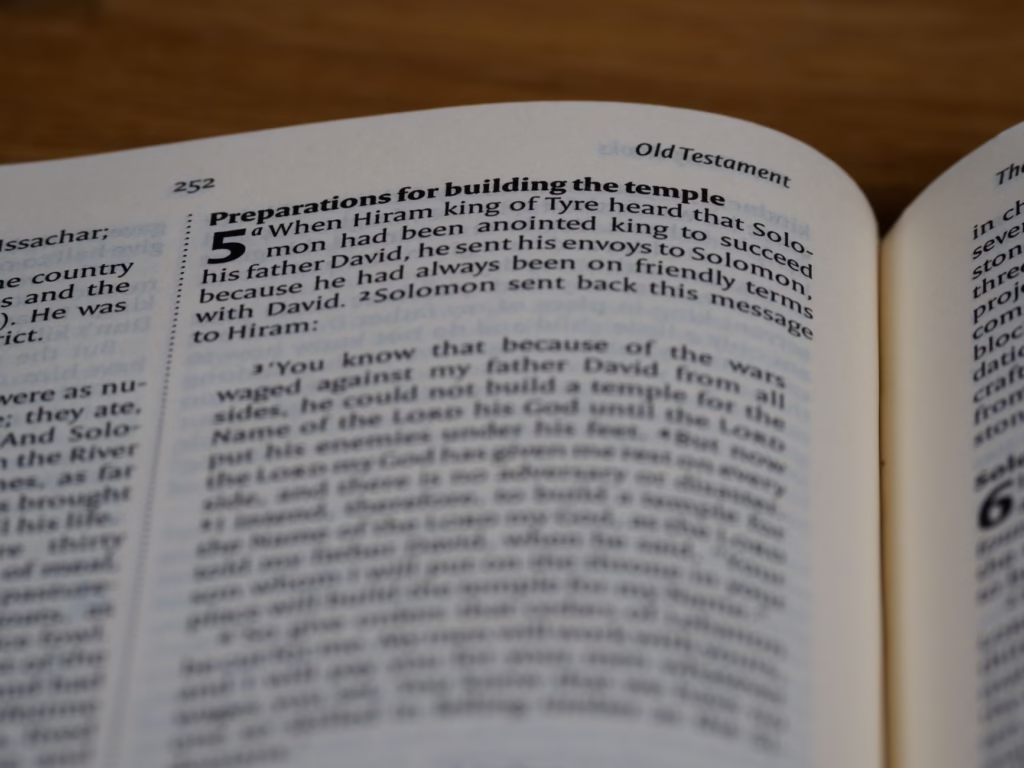
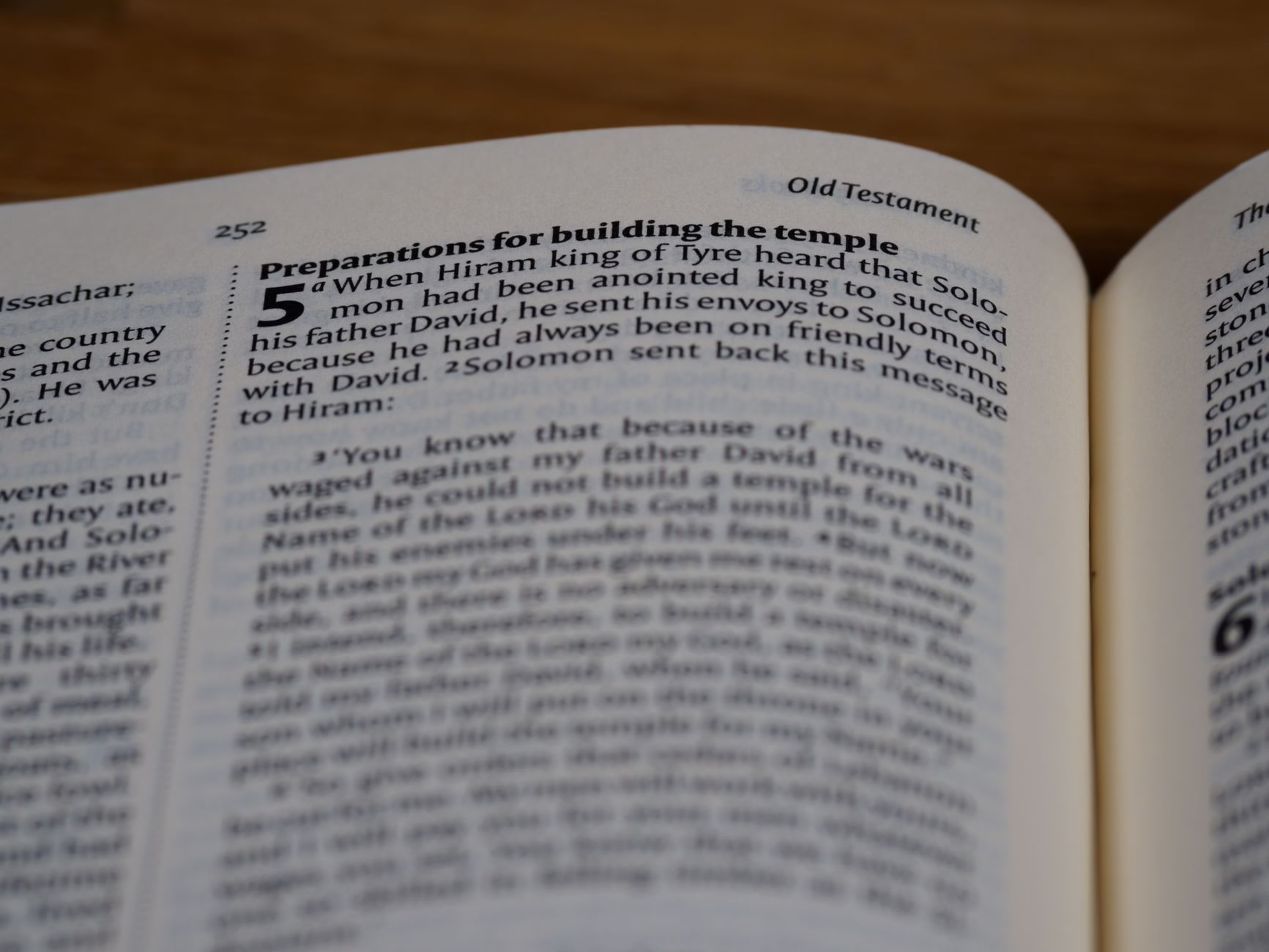
Short answer: Bible verses about temple building highlight its significance as a space for divine presence. Key references include 1 Kings 6-8, detailing Solomon's Temple, and 1 Kings 8:27, which emphasizes God's immeasurable greatness.

Bible Verses About Temple Building: Exploring Divine Architecture

The Bible, a rich tapestry of history, wisdom, and divine guidance, has been a source of inspiration for countless generations. Within its pages lies a profound narrative about temple building — an endeavor that reflects human devotion, architectural grandeur, and spiritual significance. Whether you are a believer, a history enthusiast, or an architectural aficionado, the idea of constructing a temple serves as a powerful symbol of faith and community.

Historical Context: Understanding Temple Building in the Bible

Building temples in biblical times served as an outward expression of faith and a physical place where the presence of God was believed to dwell. These sacred spaces were not just architectural feats but represented the heart of religious life for the Israelites. Here are some key aspects to consider:

  • The Role of the Temple: It was a central location for worship, sacrifices, and religious festivals.
  • A Symbol of Divine Presence: Temples were seen as the earthly dwelling place of God, a place where heaven touched earth.
  • Community and Nation Building: Constructing a temple often brought together people of a community or nation, uniting them toward a common, divine goal.

Notable Biblical Temples

The Bible mentions several significant temples, each with unique stories and significance:

1. Solomon’s Temple

The most renowned biblical temple, Solomon's Temple, was the first Jewish temple built in Jerusalem. This temple marked the pinnacle of Israel’s architectural and religious achievements.

  • Scriptural Reference: The story of Solomon's Temple is detailed in 1 Kings 6-8.
  • Design and Construction: According to the Biblical narrative, Solomon constructed the temple using cedar from Lebanon, gold, and precious stones.
  • Spiritual Significance: It signified God's covenant with Israel, as reflected in 1 Kings 8:27, highlighting that the heavens couldn't contain God, let alone a man-made structure.

2. Zerubbabel’s Temple

Built after the return from the Babylonian exile, Zerubbabel's Temple was a symbol of renewal and hope for the Israelites.

  • Scriptural Reference: The construction is chronicled in the books of Ezra and Haggai.
  • Challenges and Triumphs: Despite opposition and limited resources, the restoration of this temple represents perseverance in faith.

3. Herod’s Temple

Though often criticized for its opulence, Herod’s reconstruction of the Second Temple was a monumental architectural achievement of its time.

  • Change and Continuity: Herod’s renovation project massively expanded the Temple Mount but maintained the religious traditions of the Jewish people.
  • Historical Impact: This temple was standing during Jesus’ lifetime and serves as the backdrop for many New Testament events.

Symbolism and Modern Reflections on Temple Building

The construction of temples in the Bible is rich with spiritual symbolism, going beyond physical edifices to represent deeper truths.

Symbolic Elements

  • Foundation: Represents faith and belief as the grounding forces in life.
  • Ornamentation and Grandeur: Symbolize the glory and magnificence of God.
  • Sacred Inner Sanctums: Indicating intimate spaces reserved for divine interaction, echoing the spiritual journey inward.

Lessons for Today

In a modern context, these stories inspire communities to consider:

  • Building Spiritual Spaces Within: Just as temples housed divine presence, individuals can cultivate inner sacredness through faith and reflection.
  • Community Unity Through Shared Goals: Building endeavors, whether physical or spiritual, draw people together for greater good.

Conclusion: The Eternal Impact of Temple Building

The narrative of temple building in the Bible spans centuries, encapsulating the evolution of faith and reflecting a community’s resilience, dedication, and hope. These ancient architectural wonders remind us of the enduring human desire to connect with something greater than ourselves.

The temples, though grounded in history, continue to resonate with readers today, offering lessons of devotion and community unity. As you explore biblical narratives, remember that each stone laid within these sacred grounds tells a story of belief, perseverance, and divine inspiration.

Whether studying these texts for spiritual growth or historical interest, the lessons from biblical temple building still impact how we perceive and construct our sacred places today, serving as a reminder that the spirit of human pursuit towards the divine is timeless.

Key Takeaways

  • Temples were central to worship and community life.
  • Solomon's Temple marked the pinnacle of Israel's religious architecture.
  • Zerubbabel’s Temple symbolized renewal after exile.
  • Temple building represents a deeper spiritual journey.

Reflect on Spiritual Spaces

Consider creating a personal space for prayer and reflection, much like temples housed the divine presence. Cultivating this inner sanctum can enhance your spiritual journey.

Frequently Asked Questions

What is the significance of Solomon's Temple?

Solomon's Temple represented the height of Israel's architectural and spiritual achievements, serving as the dwelling place of God among His people.

How does temple building relate to community?

Building temples often united people toward a common purpose, fostering community through shared faith and goals.

What lessons can we learn from temple building today?

The stories of temple building encourage us to cultivate spiritual spaces within ourselves and work together for the greater good.

Where can I find more information on biblical temples?

You can explore the books of 1 Kings, Ezra, and Haggai for detailed accounts of biblical temple construction and their significance.

The Bottom Line

The legacy of temple building in the Bible continues to inspire us in our faith journeys. As you reflect on these sacred spaces, remember the importance of devotion, community, and connecting with the divine.


Share it :

Leave a Reply

Your email address will not be published. Required fields are marked *

Relationships

Bible Verses About Temple Building

July 25, 2025 · 5 Min Read · 0 Comments
f X W
Bible Verses About Temple Building

Short answer: Bible verses about temple building highlight its significance as a space for divine presence. Key references include 1 Kings 6-8, detailing Solomon's Temple, and 1 Kings 8:27, which emphasizes God's immeasurable greatness.

Bible Verses About Temple Building: Exploring Divine Architecture

The Bible, a rich tapestry of history, wisdom, and divine guidance, has been a source of inspiration for countless generations. Within its pages lies a profound narrative about temple building — an endeavor that reflects human devotion, architectural grandeur, and spiritual significance. Whether you are a believer, a history enthusiast, or an architectural aficionado, the idea of constructing a temple serves as a powerful symbol of faith and community.

Historical Context: Understanding Temple Building in the Bible

Building temples in biblical times served as an outward expression of faith and a physical place where the presence of God was believed to dwell. These sacred spaces were not just architectural feats but represented the heart of religious life for the Israelites. Here are some key aspects to consider:

  • The Role of the Temple: It was a central location for worship, sacrifices, and religious festivals.
  • A Symbol of Divine Presence: Temples were seen as the earthly dwelling place of God, a place where heaven touched earth.
  • Community and Nation Building: Constructing a temple often brought together people of a community or nation, uniting them toward a common, divine goal.

Notable Biblical Temples

The Bible mentions several significant temples, each with unique stories and significance:

1. Solomon’s Temple

The most renowned biblical temple, Solomon's Temple, was the first Jewish temple built in Jerusalem. This temple marked the pinnacle of Israel’s architectural and religious achievements.

  • Scriptural Reference: The story of Solomon's Temple is detailed in 1 Kings 6-8.
  • Design and Construction: According to the Biblical narrative, Solomon constructed the temple using cedar from Lebanon, gold, and precious stones.
  • Spiritual Significance: It signified God's covenant with Israel, as reflected in 1 Kings 8:27, highlighting that the heavens couldn't contain God, let alone a man-made structure.

2. Zerubbabel’s Temple

Built after the return from the Babylonian exile, Zerubbabel's Temple was a symbol of renewal and hope for the Israelites.

  • Scriptural Reference: The construction is chronicled in the books of Ezra and Haggai.
  • Challenges and Triumphs: Despite opposition and limited resources, the restoration of this temple represents perseverance in faith.

3. Herod’s Temple

Though often criticized for its opulence, Herod’s reconstruction of the Second Temple was a monumental architectural achievement of its time.

  • Change and Continuity: Herod’s renovation project massively expanded the Temple Mount but maintained the religious traditions of the Jewish people.
  • Historical Impact: This temple was standing during Jesus’ lifetime and serves as the backdrop for many New Testament events.

Symbolism and Modern Reflections on Temple Building

The construction of temples in the Bible is rich with spiritual symbolism, going beyond physical edifices to represent deeper truths.

Symbolic Elements

  • Foundation: Represents faith and belief as the grounding forces in life.
  • Ornamentation and Grandeur: Symbolize the glory and magnificence of God.
  • Sacred Inner Sanctums: Indicating intimate spaces reserved for divine interaction, echoing the spiritual journey inward.

Lessons for Today

In a modern context, these stories inspire communities to consider:

  • Building Spiritual Spaces Within: Just as temples housed divine presence, individuals can cultivate inner sacredness through faith and reflection.
  • Community Unity Through Shared Goals: Building endeavors, whether physical or spiritual, draw people together for greater good.

Conclusion: The Eternal Impact of Temple Building

The narrative of temple building in the Bible spans centuries, encapsulating the evolution of faith and reflecting a community’s resilience, dedication, and hope. These ancient architectural wonders remind us of the enduring human desire to connect with something greater than ourselves.

The temples, though grounded in history, continue to resonate with readers today, offering lessons of devotion and community unity. As you explore biblical narratives, remember that each stone laid within these sacred grounds tells a story of belief, perseverance, and divine inspiration.

Whether studying these texts for spiritual growth or historical interest, the lessons from biblical temple building still impact how we perceive and construct our sacred places today, serving as a reminder that the spirit of human pursuit towards the divine is timeless.

Key Takeaways

  • Temples were central to worship and community life.
  • Solomon's Temple marked the pinnacle of Israel's religious architecture.
  • Zerubbabel’s Temple symbolized renewal after exile.
  • Temple building represents a deeper spiritual journey.

Reflect on Spiritual Spaces

Consider creating a personal space for prayer and reflection, much like temples housed the divine presence. Cultivating this inner sanctum can enhance your spiritual journey.

Frequently Asked Questions

What is the significance of Solomon's Temple?

Solomon's Temple represented the height of Israel's architectural and spiritual achievements, serving as the dwelling place of God among His people.

How does temple building relate to community?

Building temples often united people toward a common purpose, fostering community through shared faith and goals.

What lessons can we learn from temple building today?

The stories of temple building encourage us to cultivate spiritual spaces within ourselves and work together for the greater good.

Where can I find more information on biblical temples?

You can explore the books of 1 Kings, Ezra, and Haggai for detailed accounts of biblical temple construction and their significance.

The Bottom Line

The legacy of temple building in the Bible continues to inspire us in our faith journeys. As you reflect on these sacred spaces, remember the importance of devotion, community, and connecting with the divine.

0 Comments

Leave a Reply

Your email address will not be published. Required fields are marked *

Join Our Newsletter
Get Scripture, new articles, and Bible topics in your inbox.
Stay In The Word

Get Scripture and New Articles In Your Inbox

Join subscribers who receive daily verses and fresh Bible teaching from The Bible Teaches This.