Short answer: Bible verses highlight the need for guidance, much like sheep require a shepherd. Key verses include Psalm 23:1-3 and John 10:11, illustrating God's care and leadership.
Bible Verses About Sheep Needing Guidance: Finding Spiritual Direction
Throughout history, sheep have been emblematic of purity, innocence, and vulnerability, often used as analogies in religious texts to represent followers or believers. One of the most poignant metaphors in the Bible is that of sheep needing guidance. Delving into these passages reveals profound insights into human nature, faith, and the need for divine leadership. This blog post explores key Bible verses about sheep needing guidance, unraveling their spiritual significance and their timeless relevance.
Understanding the Metaphor: Why Sheep?
Sheep are creatures often characterized by their gentleness and sociability, yet they possess a notable need for guidance and protection. These traits make them an apt metaphor for believers who require spiritual direction. Let's explore why sheep are such a fitting comparison:
- Vulnerability: Sheep can easily become lost or endangered without a shepherd's guidance, much like humans can lose their way spiritually without divine intervention.
- Dependence: Just as sheep rely on their shepherd, believers depend on God for nourishment, guidance, and safety.
- Community: Sheep are community-oriented animals, emphasizing the importance of fellowship among Christians.
Key Bible Verses on Sheep and Guidance
The Bible is replete with references to sheep and the shepherd, illustrating the necessity for spiritual guidance. Here are some pivotal verses:
Psalm 23:1-3
"The Lord is my shepherd, I lack nothing. He makes me lie down in green pastures, he leads me beside quiet waters, he refreshes my soul. He guides me along the right paths for his name’s sake."
- Interpretation: This psalm beautifully encapsulates the shepherd's role in providing both physical nourishment and spiritual refreshment, epitomizing God's unwavering care and guidance.
John 10:11
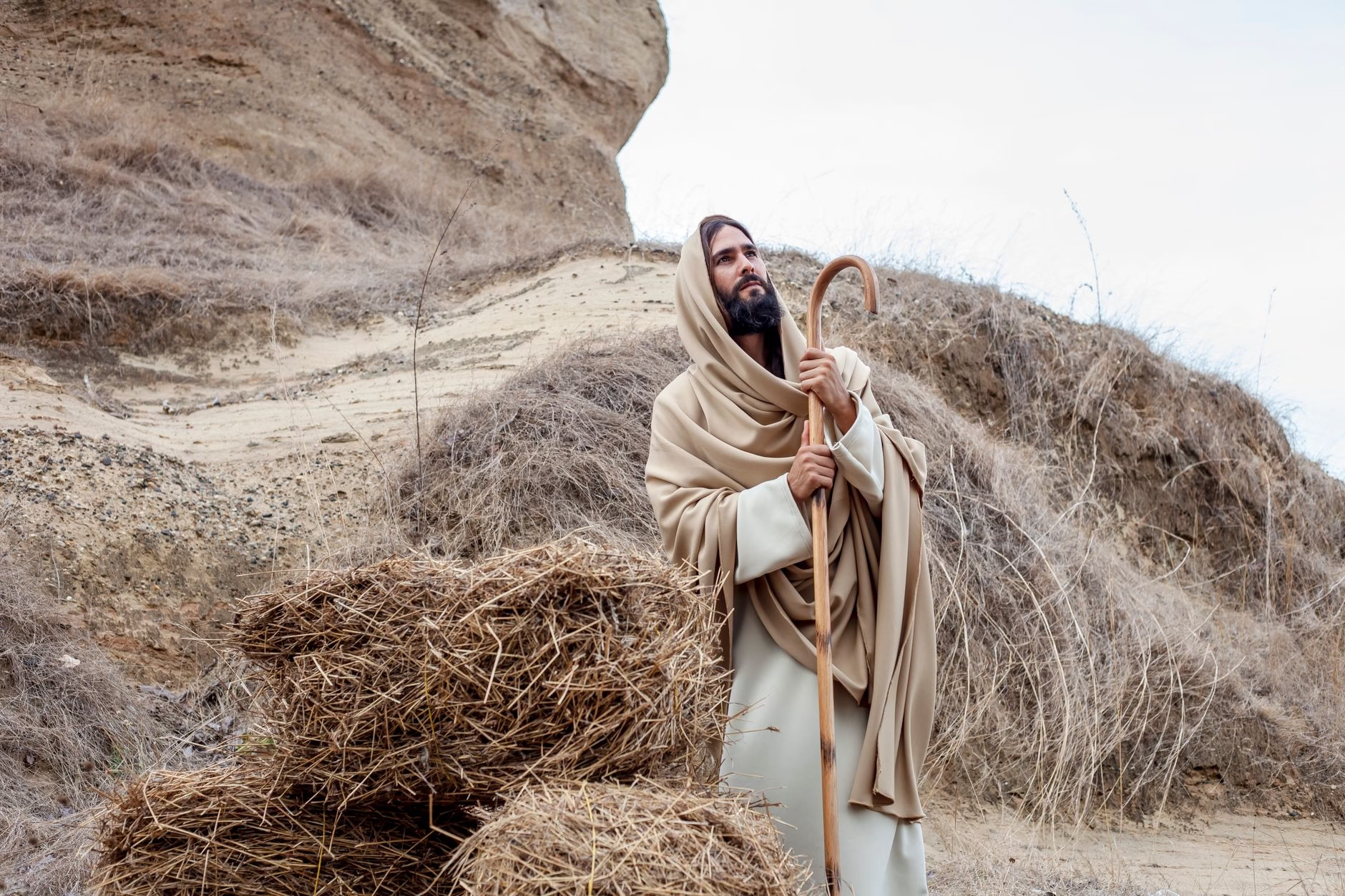
"I am the good shepherd. The good shepherd lays down his life for the sheep."
- Interpretation: Here, Jesus identifies Himself as the Good Shepherd, emphasizing His willingness to sacrifice for His flock, showcasing ultimate leadership and love.
Isaiah 53:6
"We all, like sheep, have gone astray, each of us has turned to our own way; and the Lord has laid on him the iniquity of us all."
- Interpretation: This verse acknowledges human tendency to deviate from righteousness, yet it underscores the redemptive grace available through Christ’s sacrifice.
The Role of the Shepherd in Biblical Context
The shepherd's role extends beyond just guidance; it encompasses protection, provision, and sacrifice. In biblical times, a shepherd's duties were multifaceted:
- Protection from Predators: Shepherds safeguarded sheep from animals and thieves, paralleling God’s protection over His people from spiritual dangers.
- Provision of Nourishment: A shepherd led sheep to safe grazing lands, mirroring God’s provision of spiritual sustenance for believers.
- Sacrificial Leadership: The shepherd's willingness to risk harm for the flock reflects Christ's sacrificial love.
The Significance for Believers Today
Understanding the metaphor of sheep needing guidance offers valuable lessons for modern believers:
- Seek Divine Guidance: Just as sheep rely on their shepherd, individuals should seek God’s direction in daily life through prayer, meditation, and scripture.
- Cultivate Community: Embrace fellowship and guidance within church communities, supporting each other as a collective flock.
- Trust in Divine Care: Recognize that, like a shepherd, God knows and cares for each individual uniquely, ready to lead and protect.
Conclusion: Embracing the Shepherd's Guidance
In a world rife with uncertainty and spiritual challenges, the biblical image of sheep needing guidance remains a powerful reminder of the need for divine direction. By embracing God as the ultimate shepherd, believers can find peace, purpose, and protection in His care. As we navigate life's journey, may we remember the comforting assurance that with God as our shepherd, we indeed lack nothing.
By tuning into this age-old metaphor, you not only deepen your understanding of scripture but also enhance your spiritual journey, drawing closer to the divine presence that guides all who earnestly seek it.
Key Takeaways
- Sheep symbolize our need for guidance and protection from God.
- Psalm 23 emphasizes God's provision and care.
- Jesus identifies Himself as the Good Shepherd in John 10.
- Believers should seek community and divine direction.
Embrace Divine Guidance
Seek God's direction through prayer and scripture. Surround yourself with a supportive community to navigate your spiritual journey together.
Frequently Asked Questions
Why are sheep used as a metaphor in the Bible?
Sheep exemplify vulnerability and the need for guidance, representing believers who rely on God's care.
What does Psalm 23 teach us?
Psalm 23 teaches us about God's provision, leading us to peace and nourishing our souls.
How can I seek God's guidance?
You can seek God's guidance through prayer, meditation, and engaging with scripture daily.
What is the significance of Jesus as the Good Shepherd?
Jesus as the Good Shepherd shows His sacrificial love and commitment to protect and lead His followers.
The Bottom Line
In uncertain times, the imagery of God as our shepherd offers comfort and assurance. Trust in His guidance can lead to peace and fulfillment on your spiritual journey.