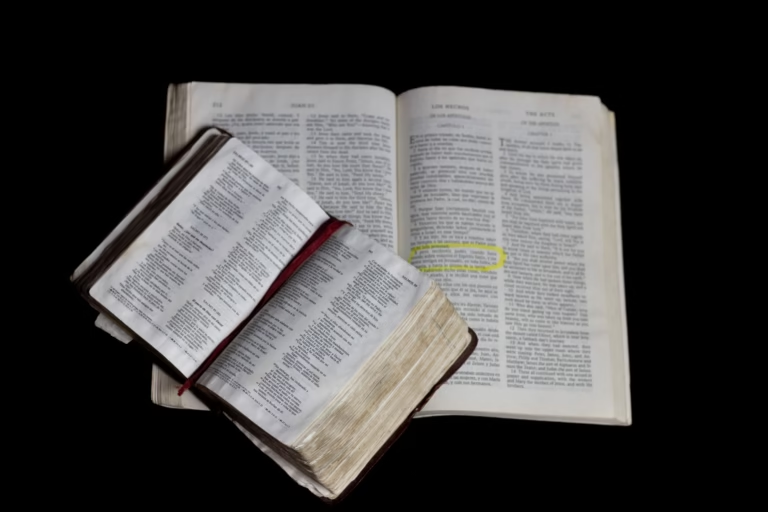
Short answer: Key Bible verses about seeing God include Matthew 5:8, which states, 'Blessed are the pure in heart, for they shall see God,' and Exodus 33:20, where God tells Moses that no one can see His face and live. These verses emphasize spiritual understanding and purity as essential to experiencing God.
Bible Verses About Seeing God: A Spiritual Journey Through Scripture
In a world filled with uncertainty, many find solace and direction by exploring spiritual texts. Among such texts, the Bible stands out, offering a wealth of guidance and insight into the human experience and divine relationship. One of the profound themes explored within the Bible is the notion of “seeing God.” But what does it truly mean to see God, and how is this concept portrayed throughout scripture? Join us on a spiritual journey as we explore key Bible verses that illuminate this profound theme.
Understanding the Concept of Seeing God
Before delving into specific Bible verses, it’s crucial to comprehend what “seeing God” actually means within biblical terms. In many scriptures, seeing God does not necessarily imply a physical vision or encounter. Rather, it often symbolizes understanding His nature, witnessing His works, and experiencing His presence in our lives.
- Spiritual Insight vs. Physical Sight: The Bible frequently emphasizes inner spiritual insight over physical sight. It’s through faith and spiritual understanding that individuals are said to “see” God.
- Experiencing God’s Presence: Many believers interpret seeing God as experiencing His presence—feeling His guidance, comfort, and influence in their lives.
Key Bible Verses about Seeing God
1. Matthew 5:8 – The Beatitudes
“Blessed are the pure in heart, for they shall see God.”
This verse from the Beatitudes encapsulates the essence of seeing God through purity of heart. It suggests that only those with sincere intentions and inner purity can truly witness God’s presence in their lives. It invites believers to cultivate a heart that seeks righteousness and humility.
2. Exodus 33:20 – Moses’ Encounter
“But,” he said, “you cannot see my face, for no one may see me and live.”
In this verse, God speaks to Moses, revealing the limitations of human understanding and perception. While Moses experiences God’s presence, the scripture emphasizes the divine mystery that cannot be fully comprehended or seen by human eyes.
3. 1 John 4:12 – Seeing God through Love
“No one has ever seen God; but if we love one another, God lives in us and his love is made complete in us.”
Here, the apostle John highlights the transformative power of love. Through love, believers not only reflect God’s presence but also draw nearer to Him. This verse underscores love as the lens through which God becomes visible and tangible in human interactions.
How to Cultivate a Vision of God in Everyday Life
The desire to see God can be fulfilled through deliberate practices and attitudes that invite His presence into everyday life.
- Prayer and Meditation: Regular prayer and meditation are vital in opening one’s heart to God’s presence, allowing for personal reflection and spiritual growth.
- Acts of Kindness: Engaging in acts of kindness and compassion cultivate an environment where God’s love can be realized and seen in interactions with others.
- Studying Scripture: Deep engagement with biblical texts enhances understanding and reinforces the spiritual insights necessary to “see” God.
Conclusion: Embracing the Invisible
While the Bible contains various depictions of seeing God, it ultimately teaches that true sight is more about heart and spirit than physical eyes. By seeking purity of heart and embracing love as a transformative force, individuals can draw closer to experiencing God’s presence.
The journey to seeing God may not be straightforward, but through faith, love, and humility, believers can open their lives to the divine mysteries awaiting discovery. As you venture further into spiritual exploration, may these scriptures and their timeless wisdom guide you to a richer understanding and experience of God.
As you ponder these verses and their meanings, consider the ways in which you might begin to “see” God in your own life. Whether through personal reflection, community interaction, or divinely inspired acts, the vision of God is closer than you might think.
Key Takeaways
- Seeing God often symbolizes spiritual understanding and experiencing His presence.
- Purity of heart is essential for recognizing God's presence in life.
- Love is portrayed as a means to see God through interactions with others.
- Cultivating prayer, kindness, and biblical study enhances visibility of God.
Cultivating Awareness of God
Engage in regular prayer and acts of kindness to open your heart to God's presence. Deepening your understanding of scripture can also create pathways for experiencing His love in daily life.
Frequently Asked Questions
What does it mean to see God?
Seeing God often refers to experiencing His presence, understanding His nature, or recognizing His works in our lives.
Can we physically see God?
According to scripture, such as Exodus 33:20, no one can physically see God and live; seeing God is more about spiritual perception.
How can I experience God's presence?
You can experience God's presence through prayer, acts of love, and deep engagement with scripture.
What is the significance of purity of heart?
Purity of heart is significant because, as stated in Matthew 5:8, it enables individuals to see God by aligning their intentions with His righteousness.
The Bottom Line
Embrace the journey of seeking to see God in your life. By nurturing your heart, practicing love, and opening yourself to spiritual truths, you can draw closer to experiencing the divine presence.