The topic of long hair in the Bible can bring up numerous questions and discussions among believers seeking to understand its significance. Whether you’re curious about the cultural context of hair in biblical times, considering your own appearance, or looking for principles on how to reflect God’s glory through our choices, it’s important to turn to Scripture for guidance. In this post, we will explore various Bible verses about long hair, delving into their meanings and implications for Christians today.
Understanding the Context of Hair in the Bible
To comprehend the biblical view of long hair, it is essential to first grasp the cultural and historical significance of hair in biblical times. Hair can symbolize identity, virtue, and commitment. For example, the Nazarite vow found in Numbers 6:1-21 is a commitment involving uncut hair as a sign of dedication to God. The uncut hair signifies the individual’s separation for the Lord, embodying a wider spiritual truth about holiness and obedience.
Hair was also a topic connected to beauty and femininity. In 1 Peter 3:3-4, believers are encouraged that true beauty comes from within, emphasizing a gentle and quiet spirit rather than merely external adornments. This speaks to an important principle: our identity and value are rooted not in outward appearance but in our relationship with God.
Related Posts:



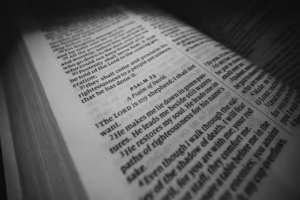
Long Hair in 1 Corinthians 11:15
One of the key verses addressing the issue of long hair is found in 1 Corinthians 11:15, which states, "But if a woman has long hair, it is her glory? For her hair is given to her for a covering." In this passage, the Apostle Paul is writing about head coverings and the proper conduct and appearance of believers during worship.
In Paul’s instructions, long hair is considered a natural covering for women, often interpreted as a reflection of their femininity and glory. This doesn't imply a legalistic requirement for long hair but speaks to a deeper spiritual truth respecting the proper order in worship and the acknowledgment of God’s created roles.
Practical Application of 1 Corinthians 11:15
For modern believers, this verse encourages us to reflect on how we present ourselves in worship and life. Are we mindful of our outward appearance as a representation of our inner devotion to God? While the nature of hair length may vary culturally and individually today, the Biblical principle encourages us to approach our appearance with an understanding of how it communicates our faith.
Hair as a Symbol of Dedication: The Nazarite Vow
As mentioned previously, the Nazarite vow provides another essential perspective on long hair (Numbers 6:1-21). Those who took this vow pledged to abstain from wine, avoid contact with the dead, and not cut their hair. The length of their hair was a visible sign of their commitment to God during the period of their vow.
The practice of the Nazarite vow illustrates that hair can symbolize a time of separation, devotion, and marked identity in God. For believers today, dedicated periods of prayer, fasting, or spiritual growth can also reflect outwardly through our appearance, even if not necessarily tied to the length of our hair.
Hair and the Source of Authority
In the same passage from 1 Corinthians 11, Paul also emphasizes authority concerning hair. In verses 3-10, he discusses headship and the implications of hair length as a reflection of authority dynamics within marriage and the broader church community. Paul mentions that a woman’s long hair is a symbol of authority on her head, affirming God's order while maintaining the intrinsic value and worth of women.
It is important to interpret this with sensitivity. The underlying truth is about recognizing God’s created order and our spiritual authority in light of that. As Christ followers, our identity and worth stem from who we are in Him, which frees us from feeling pressured about conforming to worldly standards regarding appearance.
Long Hair in the Life of Jesus
While the Bible does not explicitly comment on Jesus' hair length, we know from Jewish custom at the time that men generally did not wear their hair long. Jesus’ life showcased deeper principles of humility, obedience, and sacrifice, emphasizing that outward appearance was subordinate to the nature of our heart and actions aligned with God’s will.
Encouragement for Today’s Believers
As believers today navigate choices concerning hair and appearance, it is pivotal to communicate that our worth and dignity are rooted in our relationship with Christ rather than in physical attributes. Whether you prefer long hair, short hair, or no hair at all, the essence of your appearance should reflect the glory of God and your walk with Him.
Consider some key reflective points:
- Does the way I present myself honor God?
- Am I influenced by worldly standards of beauty, or am I grounded in biblical truths?
- How can I use my appearance to reflect a heart of worship and submission to God’s will?
Conclusion
In exploring Bible verses about long hair, we see a multifaceted perspective on an outward expression that captures inner devotion. From the vows of the Nazarites to Paul’s teachings, hair becomes a symbol of identity, beauty, and authority in the life of a believer. The principles surrounding hair length invite us to reflect on our appearance as a manifestation of our faith and commitment to God.
As you ponder these teachings, remember that God calls you not just to look the part, but to embody His love and grace in your heart and actions. Therefore, let the choices you make regarding your appearance be rooted in respect for God’s word and a desire to glorify Him in all aspects of your life.