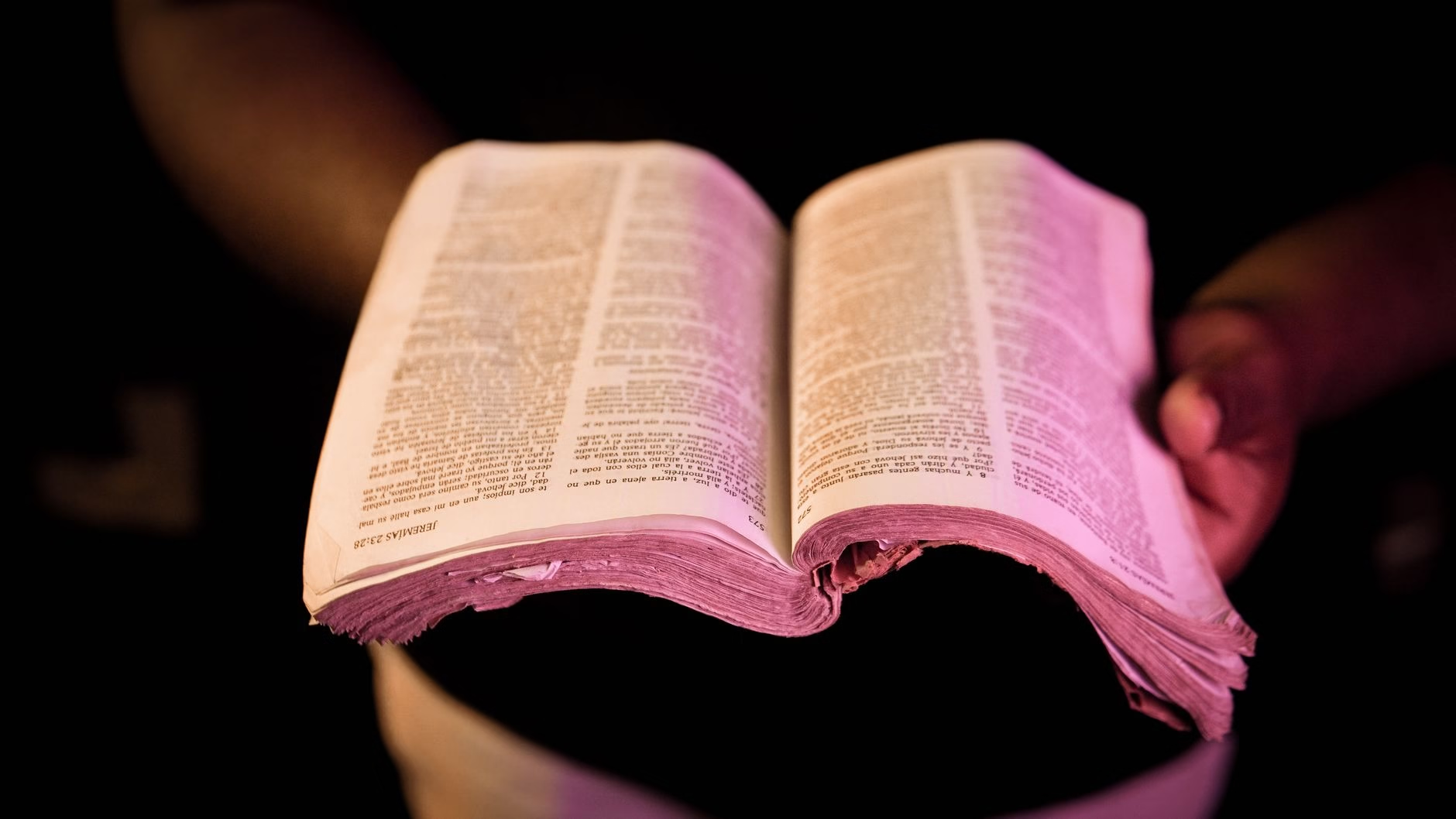
The concept of mercy is central to many faiths, but in the Christian tradition, it takes on a profound significance. It is often said that the nature of God is love, and wrapped within that love is an abundant measure of mercy. When we reflect on our lives, we can often pinpoint moments when we have encountered, witnessed, or desperately needed mercy. But what does the Bible say about God's mercy? In this blog post, we will explore several key verses that highlight the merciful essence of God, offering comfort and hope to those who seek it.
Understanding God's Mercy: A Biblical Perspective
Before diving into specific verses, it's essential to understand what mercy means in a biblical context. Mercy involves compassion, forgiveness, and a desire to alleviate suffering. It is not merely the absence of punishment; rather, it is the active goodwill of God towards humanity, a profound desire to bring us back into a state of grace.
Key Characteristics of God's Mercy
- Forgiveness: God’s mercy encompasses His readiness to forgive our wrongdoings.
- Compassion: His mercy is a reflection of His deep compassion for human suffering.
- Restoration: Through mercy, God seeks to restore broken relationships and circumstances.
- Patience: God's mercy is evident in His patience with our shortcomings and failures.
Bible Verses That Illuminate God’s Mercy
Let's delve into some poignant Bible verses that exemplify God's merciful nature and provide reassurance to believers.
1. Ephesians 2:4-5
"But because of his great love for us, God, who is rich in mercy, made us alive with Christ even when we were dead in transgressions—it is by grace you have been saved."
This verse encapsulates the core of the Christian faith: salvation through grace. It emphasizes that God's merciful character prompted Him to offer us new life, while we were still in our sinful state.
2. Psalm 103:8-10
**"The Lord is compassionate and gracious, slow to anger, abounding in love. He will not always accuse, nor will he harbor his anger forever; he does