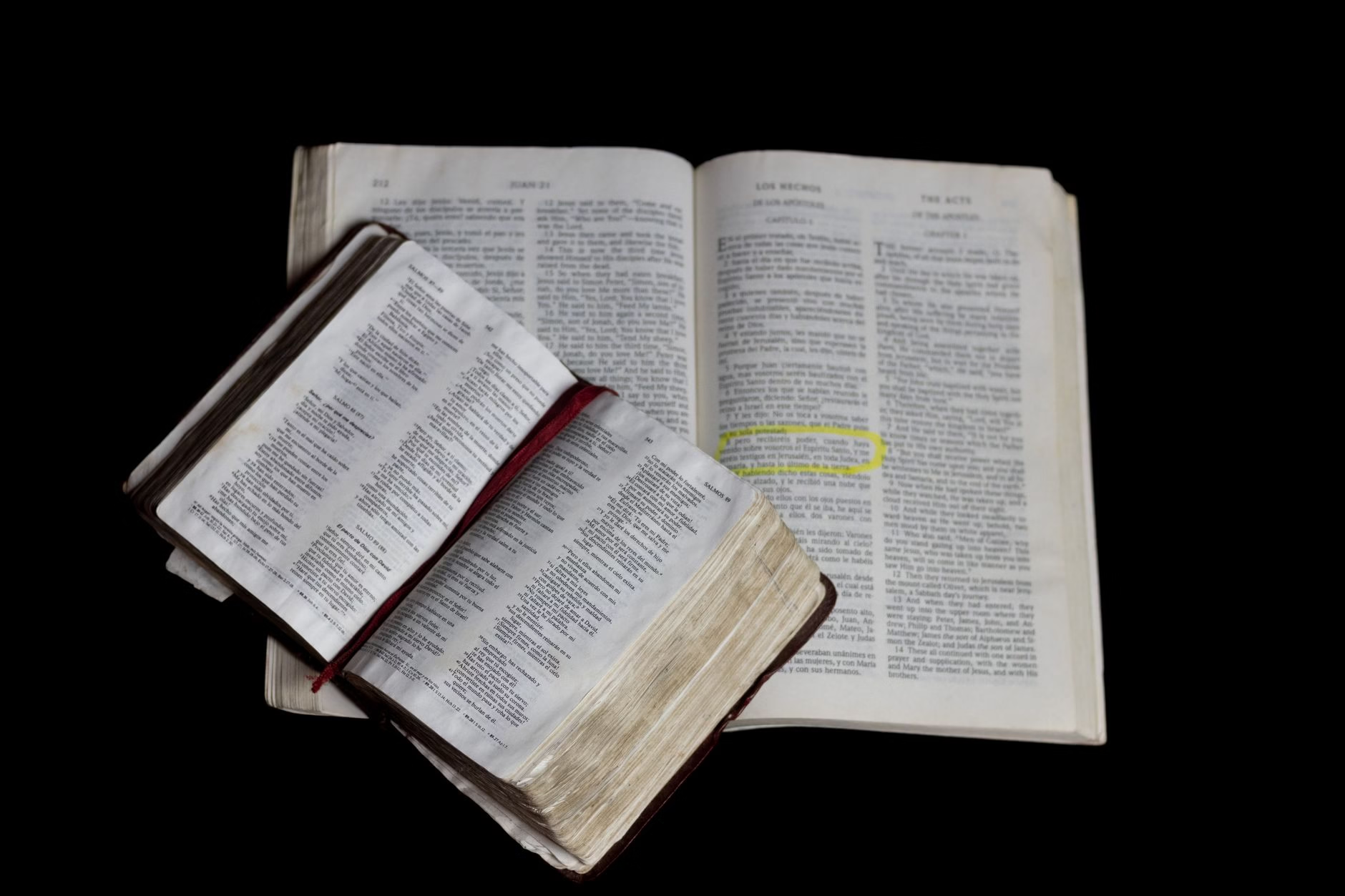
Short answer: Bible verses about dishonesty emphasize the importance of honesty. Notable verses include Proverbs 12:22, which states, 'The Lord detests lying lips, but he delights in people who are trustworthy,' and Ephesians 4:25 urging us to speak truthfully to one another.
Bible Verses About Dishonesty: Embracing Integrity in a World of Deceit
In today’s fast-paced society, where shortcuts and half-truths often seem like the easier, more advantageous path to take, the timeless wisdom of the Bible speaks volumes about the importance of honesty. Dishonesty can take many forms, from lies and deceit to false promises and manipulative behavior. As believers, it’s crucial to understand what scripture says about dishonesty to navigate our lives with integrity.
In this post, we’ll explore several Bible verses that address dishonesty, the consequences it brings, and how we can cultivate a spirit of truthfulness in our daily lives.
Understanding Dishonesty Through Scripture
Dishonesty is not just a modern dilemma; it’s a human struggle acknowledged throughout biblical texts. The Bible consistently highlights the virtues of honesty and integrity and warns against the repercussions of dishonesty.
Key Verses on Dishonesty
Here are some powerful verses that illustrate God’s view on dishonesty:
- Proverbs 12:22 (NIV): “The Lord detests lying lips, but he delights in people who are trustworthy.”
- This verse emphasizes that dishonesty is not only frowned upon but is something that God abhors.
- Leviticus 19:11 (NIV): “Do not steal. Do not lie. Do not deceive one another.”
- Here, we see a clear directive against various forms of dishonesty.
- Proverbs 20:17 (NIV): “Food gained by fraud tastes sweet, but one ends up with a mouth full of gravel.”
- This imagery illustrates that while dishonest gains may seem appealing at first, they ultimately lead to bitterness and regret.
- Ephesians 4:25 (NIV): “Therefore each of you must put off falsehood and speak truthfully to your neighbor, for we are all members of one body.”
- This highlights the relational aspect of honesty and the unity that truth brings to communities.
The Consequences of Dishonesty
1. Breaks Trust
Dishonesty undermines trust in relationships, whether personal, professional, or spiritual. When someone lies, it can take a long time to rebuild that trust, if it can be rebuilt at all.
2. Leads to Guilt and Shame
Living a lie can weigh heavily on the conscience. Many people who dishonestly try to cover up their actions often experience guilt and anxiety, which can lead to further dishonesty.
3. Deteriorates Relationships
Dishonesty can strain or even sever relationships. Friends, family, and colleagues may distance themselves from a person known for dishonest behavior, resulting in isolation and loneliness.
4. Paves the Way for More Dishonesty
A single act of dishonesty can lead to a slippery slope where one falsehood leads to another. It’s a cycle that can be hard to break.
Cultivating Honesty in Your Life
Recognizing the importance of honesty is the first step toward cultivating integrity in your life. Here are actionable steps you can take:
1. Reflect on Your Values
Ask yourself: What do you value more—short-term gain or long-term integrity? Aligning your actions with your values can guide you toward honesty.
2. Practice Transparency
Be open about your intentions and thoughts in your interactions. Transparency fosters trust and deepens relationships.
3. Encourage Honest Conversations
Whether in the workplace or at home, promoting an environment where honesty is valued can have a positive ripple effect.
4. Seek Support
Sometimes, it helps to talk to someone else about your struggles with honesty. This could be a mentor, friend, or pastor who can provide guidance and accountability.
Conclusion: The Path of Integrity
The Bible serves as a guide for our moral compass, consistently reminding us of the importance of honesty. Dishonesty may offer immediate rewards but comes with long-lasting repercussions that can affect every area of our lives.
By choosing to embrace honesty, we reflect the character of God and build healthier relationships—both with ourselves and others. Let these verses inspire you to live a life of integrity, free from falsehood, and filled with the truth that comes from God’s Word.
As we navigate the complexities of life, let’s commit to honoring our commitments and fostering a culture of honesty—one verse at a time.
Key Takeaways
- Dishonesty undermines trust and damages relationships.
- Living a lie leads to guilt and anxiety.
- Scripture encourages transparency and honest communication.
- Embracing honesty reflects God's character and builds stronger connections.
Foster Honesty in Your Life
Reflect on your values and practice transparency in your interactions. Encouraging honest conversations with others helps promote a culture of integrity.
Frequently Asked Questions
What does the Bible say about lying?
The Bible clearly warns against lying, emphasizing that 'The Lord detests lying lips' (Proverbs 12:22) and calls for truthfulness among individuals.
How can dishonesty affect relationships?
Dishonesty breaches trust, leading to strained relationships, feelings of isolation, and a cycle of further deceit.
Are there any consequences mentioned in the Bible for dishonesty?
Yes, the Bible highlights that dishonesty can lead to guilt, shame, and ultimately, a negative impact on one's sense of community and personal integrity.
How can I cultivate honesty in my daily life?
Start by reflecting on your values, practicing transparency, and encouraging open communication around you. Seeking support from friends or mentors can also help.
The Bottom Line
Choosing honesty paves the way for a more fulfilling and trustworthy life. Let these scriptures guide you in embodying integrity, strengthening your connections with others and with God.