In a world filled with noise—social media rants, heated discussions, and daily misunderstandings—the power of our words can easily be underestimated. Each word we speak or type carries weight, can influence others, and ultimately shape our lives. The Bible, a profound source of wisdom, offers numerous verses that highlight the importance of taming our tongues and being mindful of what we say. In this post, we’ll explore key biblical passages that address controlling your words, understanding their impact, and fostering better communication in our relationships.
The Importance of Words
Words can either build up or tear down. They can inspire hope or breed resentment. The language we use has incredible significance, and the Bible consistently reminds us of the responsibility we hold over our speech. Here are some key reasons why controlling our words matters:
- Influence on Relationships: How we communicate can strengthen bonds or drive wedges between us and others.
- Impact on Self-Image: The way we talk to ourselves shapes our mindset and self-esteem.
- Consequences of Speech: Negligent words can lead to misunderstandings, conflict, and long-lasting damage.
Understanding this, let’s delve into the Bible verses that can guide us in mastering our speech.
Key Bible Verses on Controlling Your Words
1. Proverbs 18:21
"The tongue has the power of life and death, and those who love it will eat its fruit."
Related Posts:



This verse highlights the duality present in speech. Words can uplift, or they can destroy. It's a reminder that what we choose to say can influence not only our lives but also those around us. Be intentional with your words; choose kindness and encouragement.
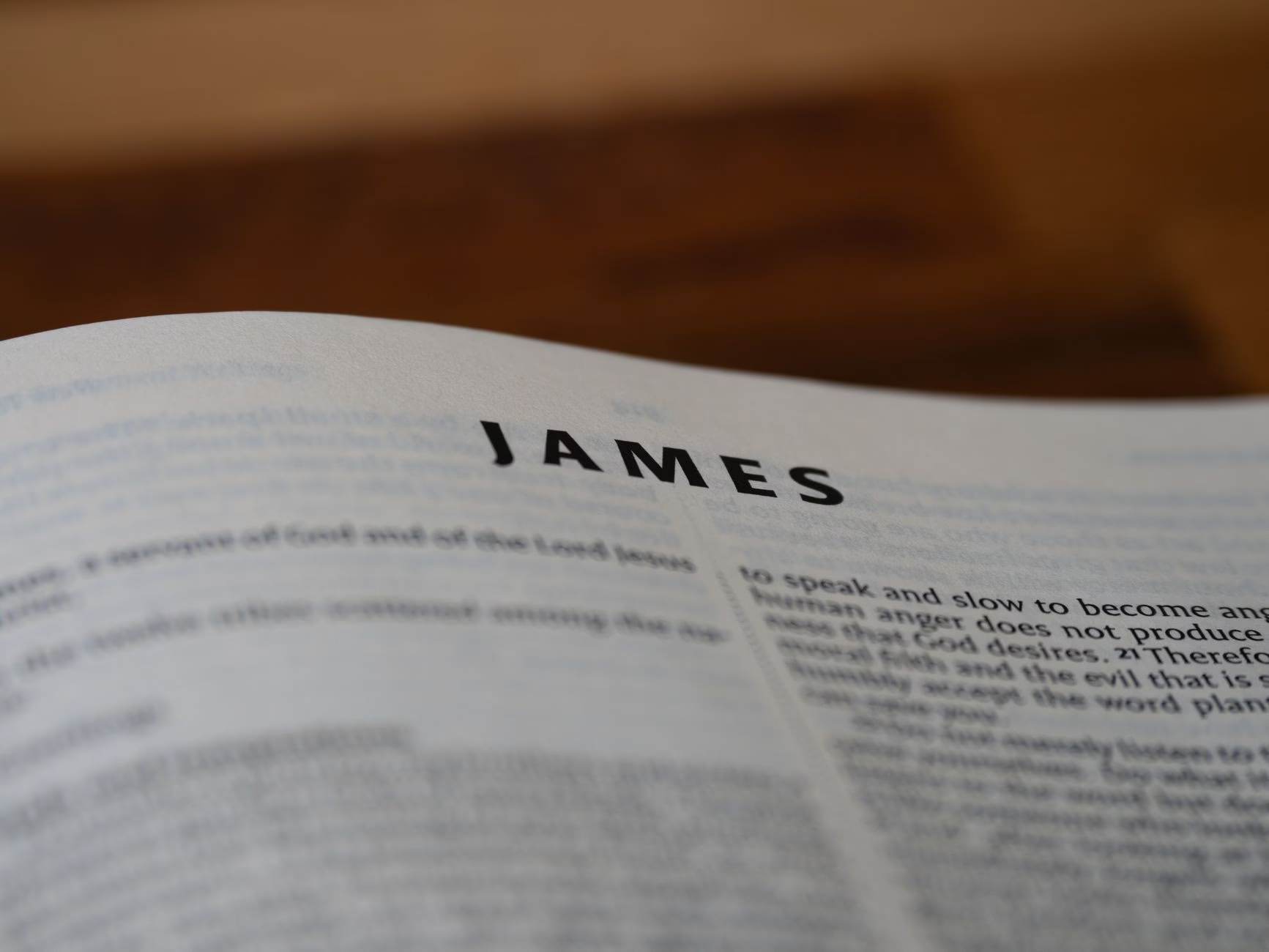
2. James 1:19-20
"My dear brothers and sisters, take note of this: Everyone should be quick to listen, slow to speak and slow to become angry, because human anger does not produce the righteousness that God desires."
In a culture often characterized by quick reactions, this verse encourages patience. By being "quick to listen" and "slow to speak," we can foster understanding and reduce conflict. It’s essential to pause and reflect before responding, ensuring our words promote peace.
3. Proverbs 21:23
"Those who guard their mouths and their tongues keep themselves from calamity."
This verse stresses the importance of being cautious with our speech. By being mindful, we can protect ourselves from unnecessary trouble and conflict. Think before you speak; it can save you from misunderstandings and regrets.
4. Ephesians 4:29
"Do not let any unwholesome talk come out of your mouths, but only what is helpful for building others up according to their needs, that it may benefit those who listen."
This verse serves as a challenge: to speak only what is beneficial for those around us. Whether in our personal relationships or public discourse, our words should uplift and encourage, contributing positively to the lives of others.
5. Colossians 4:6
"Let your conversation be always full of grace, seasoned with salt, so that you may know how to answer everyone."
Here, the Apostle Paul emphasizes the importance of grace in our conversations. Speaking with grace means being thoughtful and compassionate, showing care for those we engage with. This approach can lead to more meaningful interactions.
Practical Tips for Controlling Your Words
Incorporating these biblical principles into our daily lives can be challenging but rewarding. Here are some practical tips to help you control your words:
Pause Before Speaking: Take a moment to think about the impact of your words. Asking yourself, "Is this kind? Is it necessary?" can help guide your conversations.
Practice Active Listening: Engage in conversations with the intent to listen rather than just waiting for your turn to speak. This not only improves understanding but also leads to more thoughtful responses.
Reflect on Your Words: Just as one reflects on their actions, it’s essential to reflect on the words you’ve spoken. Consider journaling about your conversations and noting where you could have responded more thoughtfully.
Seek Guidance in Prayer: Ask for wisdom and self-control when it comes to your speech. Many find that prayer provides clarity and helps align their words with their values.
Conclusion
The Bible offers timeless wisdom on the profound impact of our words and the necessity of controlling them. By embracing the teachings found in these verses, we can cultivate better relationships, foster understanding, and live more peacefully. Remember, each time you engage in conversation, you have the choice to be a source of life and encouragement or conflict and sorrow. Commit to being intentional with your words, and watch how your interactions transform for the better. Let us strive to be not just speakers of truth but also ambassadors of grace in our conversations, guided by the wisdom of Scripture.