BIBLE VERSES ABOUT CONTROLLING ANGER KJV
Introduction
Anger is one of the most powerful emotions a person can experience. It can rise quickly, cloud our judgment, and lead us into sin if not controlled. The Bible does not deny that we feel anger, but it teaches us how to manage it in a godly way. In a world filled with tension, misunderstanding, and emotional stress, learning how to handle anger according to Scripture is more important than ever.
For believers, controlling anger is not only a matter of personal peace but also a reflection of spiritual maturity. The Word of God provides timeless wisdom on this topic, reminding us that unchecked anger can destroy relationships, damage our witness, and separate us from God’s peace. This article will explore key Bible verses about controlling anger from the King James Version and offer spiritual insights on how to apply these truths in daily life.
The Dangers of Uncontrolled Anger
The Bible warns repeatedly about the destructive power of anger when it is not submitted to God. Proverbs 14:29 (KJV) says, “He that is slow to wrath is of great understanding: but he that is hasty of spirit exalteth folly.” This verse gives a clear contrast between wisdom and foolishness. When we control our temper, we show wisdom and spiritual understanding. When we allow anger to control us, we act foolishly.
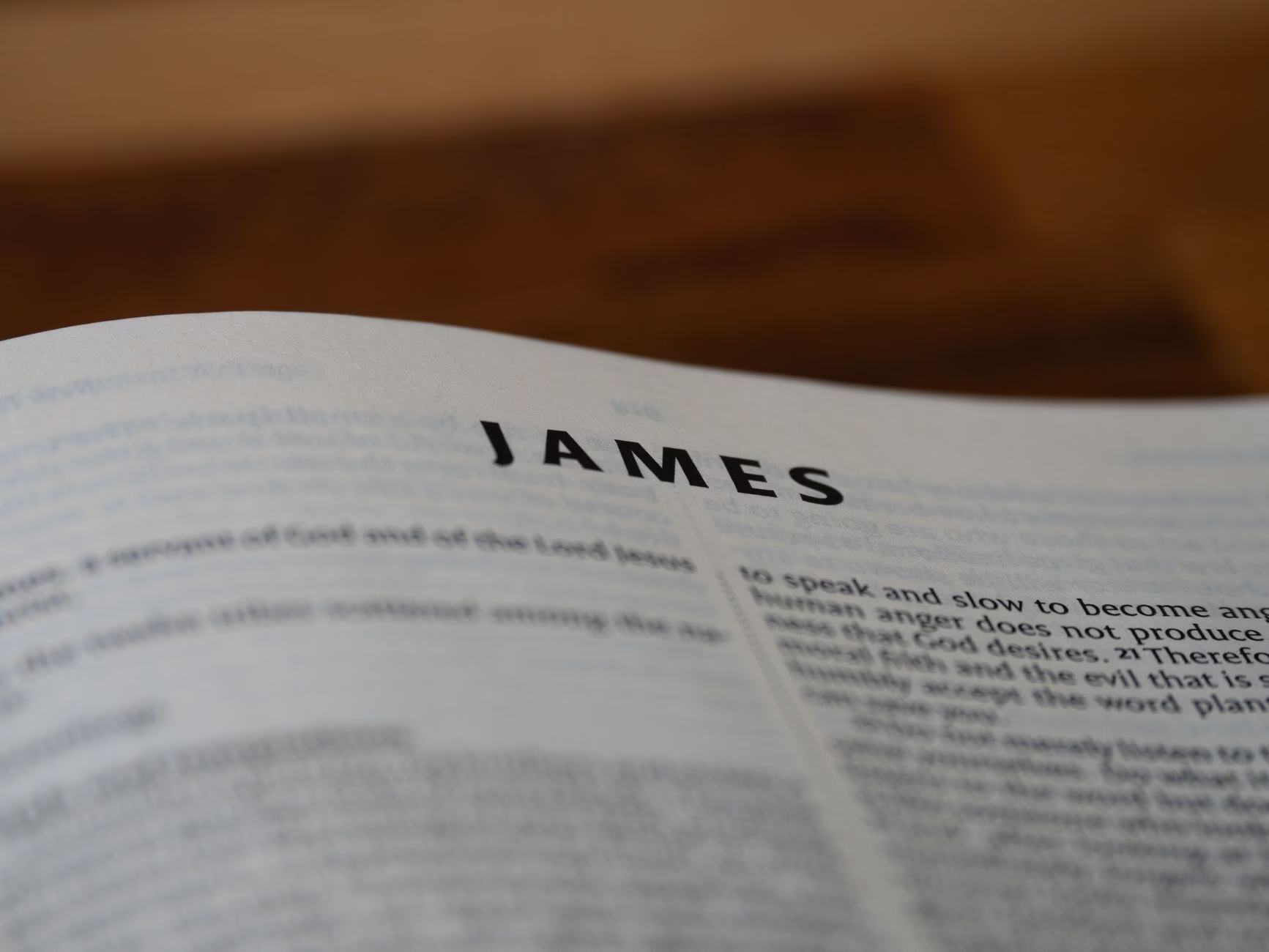
Uncontrolled anger can lead to words and actions that we later regret. The Apostle James gives further instruction in James 1:19-20 (KJV): “Wherefore, my beloved brethren, let every man be swift to hear, slow to speak, slow to wrath: For the wrath of man worketh not the righteousness of God.” Human anger rarely produces outcomes that honor God. It often pushes people away, creates division, and distorts our ability to see situations clearly.
Taking a moment to pause, pray, and reflect before speaking is a simple yet powerful way to apply this truth. When we allow the Holy Spirit to calm our hearts, He replaces wrath with wisdom and understanding.
Biblical Examples of Controlled Anger
Throughout Scripture, we find examples of people who faced situations that could have led to anger but chose to respond with grace and self-control.
One of the most powerful examples is found in the story of Joseph. Betrayed by his brothers and sold into slavery, Joseph had every reason to respond with bitterness. Yet, when he finally faced them years later, he said in Genesis 50:20 (KJV), “But as for you, ye thought evil against me; but God meant it unto good.” Joseph’s forgiveness displayed deep spiritual maturity and confidence in God’s sovereign plan.
Moses, on the other hand, struggled with anger at times. When he struck the rock in disobedience to God’s command, his anger cost him entry into the Promised Land (Numbers 20:10-12). This reminds us that even righteous people can stumble when they let frustration take the lead.
Jesus Himself showed controlled anger when He cleansed the temple. His anger was not sinful but righteous, focused on defending the holiness of His Father’s house. This distinction teaches believers that anger in itself is not always wrong, but it must be directed by a heart aligned with God’s will and purpose.
How to Overcome Anger Through the Spirit
The Word of God provides practical guidance for overcoming sinful anger. Ephesians 4:26-27 (KJV) says, “Be ye angry, and sin not: let not the sun go down upon your wrath: Neither give place to the devil.” This instruction teaches that feeling angry is part of human emotion, but we must not allow it to linger or grow into bitterness.
The key to overcoming anger lies in walking in the Spirit. Galatians 5:22-23 (KJV) lists the fruit of the Spirit, including love, peace, longsuffering, gentleness, and meekness. When we allow the Holy Spirit to fill our hearts, these qualities replace anger with patience and compassion.
Practical ways to invite the Holy Spirit’s help include:
- Spending daily time in prayer and Scripture reading.
- Confessing anger before God and asking for His peace.
- Remembering the forgiving nature of Christ when we feel wronged.
- Choosing to respond with kindness rather than retaliation.
Another important verse is Proverbs 15:1 (KJV): “A soft answer turneth away wrath: but grievous words stir up anger.” Our words have great power, and gentle speech can calm a heated moment. When we choose a soft response, we disarm tension and create space for reconciliation.
The Blessing of Patience and Forgiveness
Anger often reveals our lack of patience and our struggle to forgive. Colossians 3:12-13 (KJV) encourages believers, “Put on therefore, as the elect of God, holy and beloved, bowels of mercies, kindness, humbleness of mind, meekness, longsuffering; Forbearing one another, and forgiving one another.” Forgiveness is a powerful antidote to bitterness.
Patience allows us to see people through the lens of grace rather than frustration. When we cultivate patience, we reflect the heart of God, who is slow to anger and abundant in mercy (Psalm 103:8).
When we practice forgiveness, we also set ourselves free from the prison of resentment. It is impossible to walk in peace while holding onto anger. True forgiveness allows the love of Christ to flow freely within our hearts.
Key Lessons
- Anger in itself is not sin, but uncontrolled anger leads to destructive behavior.
- The Bible teaches believers to be slow to wrath and quick to forgive.
- Seeking the Holy Spirit’s guidance helps us replace anger with patience and grace.
- A soft answer and gentle words can prevent conflict from escalating.
- Practicing forgiveness allows us to maintain peace and unity within our relationships.
Conclusion
Controlling anger is a spiritual discipline that every believer must learn. The Scriptures show us that anger, when left unchecked, can harm our witness and hinder our relationship with God. Yet, through the power of the Holy Spirit, we can overcome it and become peacemakers who reflect the nature of Christ.
Every time we choose patience over irritation, forgiveness over resentment, and gentleness over harshness, we honor God and display His transforming grace. Let us remember the words of Proverbs 16:32 (KJV): “He that is slow to anger is better than the mighty; and he that ruleth his spirit than he that taketh a city.” True strength is found not in controlling others, but in controlling ourselves.
May we daily seek the Lord’s help to manage our emotions with wisdom and humility, living as examples of His peace in a world that desperately needs it.
Further Reading
BIBLE VERSES ABOUT BLACK PEOPLE
BIBLE VERSES ABOUT LATENESS TO CHURCH
BIBLE VERSES ABOUT GOD PROTECTING US FROM OUR ENEMIES