Breaking bread is a significant act within the Christian faith, symbolizing fellowship, community, and spiritual nourishment. For believers, understanding the depth of this practice enhances our relationship with one another and with Christ. As we explore Bible verses about breaking bread, we will uncover profound truths that speak to the heart of Christian unity and communion.
The Importance of Breaking Bread in Scripture
Breaking bread is mentioned numerous times in the Bible, underscoring its spiritual importance. It symbolizes more than just a meal; it represents the bond believers share with one another and collectively with Jesus Christ. The act of coming together over food invokes a sense of sharing life and nurturing relationships.
In Acts 2:42, the early church "devoted themselves to the apostles' teaching and the fellowship, to the breaking of bread and the prayers." This verse illustrates a model for Christian community—prioritizing teaching, fellowship, and communal meals. These shared experiences build unity and strengthen faith.
Jesus and the Practice of Breaking Bread
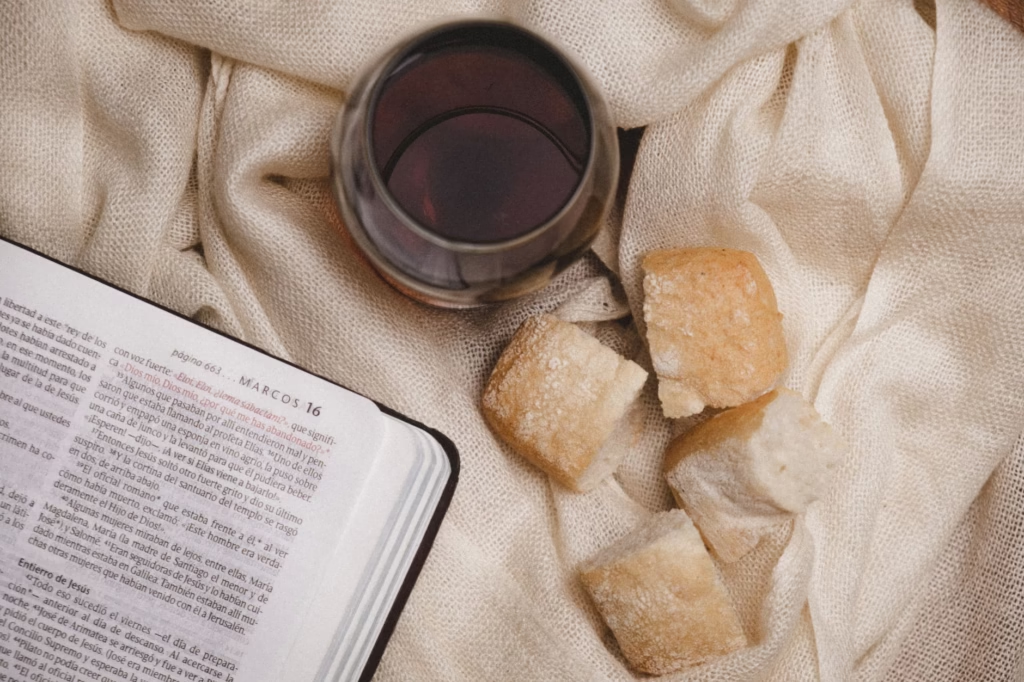
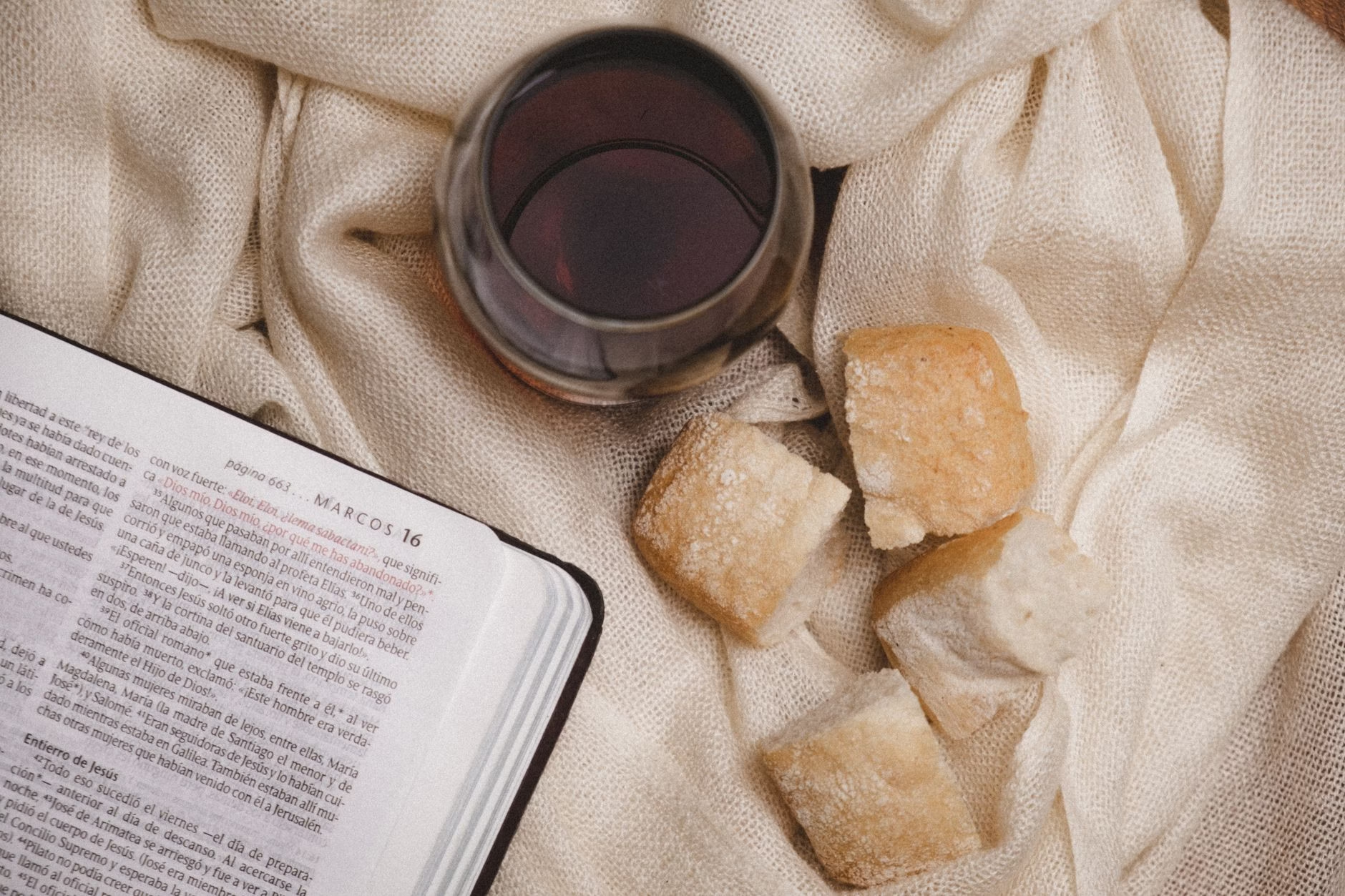
Jesus frequently broke bread with His disciples and others, using meals as opportunities for teaching and ministry. One of the most significant moments is the Last Supper, where He established the practice of Communion. In Luke 22:19-20, Jesus took the bread, gave thanks, broke it, and said, “This is my body, which is given for you. Do this in remembrance of me.”
This act not only signifies His sacrifice but also calls His followers into an ongoing relationship with Him. The shared meal becomes a sacred moment, reminding us of Christ's love and our covenant with Him. Jesus invites us to remember the significance of His sacrifice every time we partake in Holy Communion.
The Significance of Fellowship
Breaking bread is intrinsically linked to fellowship. When we gather to share a meal, we cultivate relationships. 1 Corinthians 10:16-17 expands on this concept, stating, “The cup of blessing that we bless, is it not a participation in the blood of Christ? The bread that we break, is it not a participation in the body of Christ? Because there is one bread, we who are many are one body, for we all partake of the one bread.”
These verses highlight the unity among believers—the shared experience of communing with Christ and with one another. The act of breaking bread signifies not only our reliance upon Christ but also our commitment to love and support one another in community.
Breaking Bread in the Early Church
The practice of breaking bread was foundational to the early church, as described in Acts 2:46-47: "And day by day, attending the temple together and breaking bread in their homes, they received their food with glad and generous hearts, praising God and having favor with all the people." The early Christians demonstrated that breaking bread together was a source of joy, gratitude, and spiritual growth.
This model can inspire modern believers to foster deeper connections within their communities. Regularly sharing meals and experiences with fellow Christians can lead to spiritual breakthroughs and strengthen collective faith.
Practical Applications of Breaking Bread Today
As we reflect on the biblical command to engage in breaking bread, there are several practical applications for today:
Invite Others in Fellowship: Consider hosting dinners or gatherings in your home to foster connections with fellow believers. This practice not only builds community but also invites opportunities for sharing faith and encouragement.
Participate in Communion: If your church practices Holy Communion, actively participate with reverence. Use that time to reflect on Christ’s sacrifice and your relationship with Him and the body of Christ.
Encourage Table Conversations: Focus on the significance of discussions during meal times. Encourage conversations about faith, scripture, and personal testimonies, allowing space for growth and learning.
Serve Others: Breaking bread can also include sharing meals with those in need. Acts of kindness, such as preparing food for the less fortunate, exemplify Christ’s love in action.
Engage in Prayer: Use the opportunity of breaking bread to gather in prayer. Thank God for the meal, share prayer requests, and encourage one another through spiritual intercession.
Conclusion
The scriptural act of breaking bread encapsulates the essence of Christian fellowship and the unity of believers in Christ. Through the examples and teachings found in Scripture, we learn that it is a profound way to remember Jesus' sacrifice and a powerful means to foster community among believers. Let us embrace breaking bread in our daily lives, making it an integral part of our walk with Christ and our connection with one another. By doing so, we cultivate a faith that not only edifies us individually but also strengthens the body of Christ as a whole.