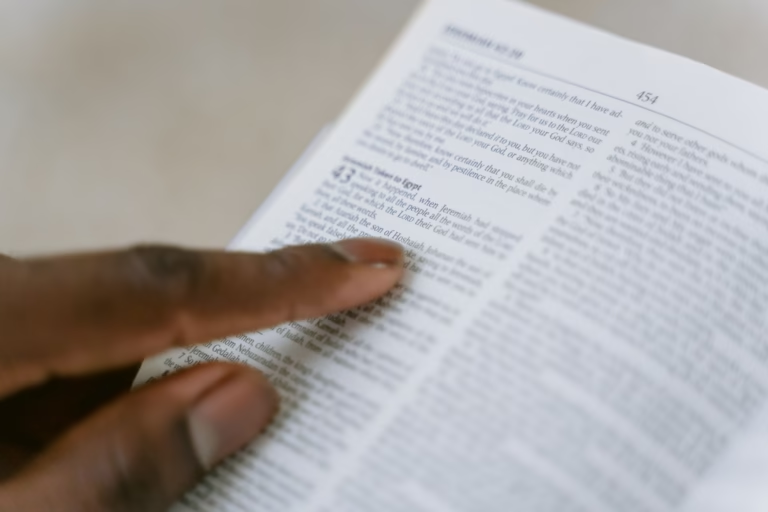
In today’s fast-paced world, feelings can change in an instant, and anger can come about just as quickly. The ancient wisdom found in the Bible provides us with insight on managing our emotions, particularly when it comes to anger. Being slow to anger is not merely a sign of patience; it's a pathway to better relationships, increased peace, and a more fulfilling life. In this blog post, we will explore key Bible verses about being slow to anger, examine their meanings, and discuss how we can apply these teachings in our everyday lives.
Understanding Anger Through a Biblical Lens
Anger, though often viewed negatively, is a natural human emotion. However, the way we handle that emotion determines our character and our interactions with others. The Bible addresses anger in numerous contexts, emphasizing the importance of self-control and patience.
The Importance of Patience
James 1:19-20: “Know this, my beloved brothers: let every person be quick to hear, slow to speak, slow to anger; for the anger of man does not produce the righteousness that God requires.”
- This verse highlights the importance of listening and being reflective rather than reactive. Quick responses can lead to regret, whereas a measured approach invites understanding.
Proverbs 14:29: “Whoever is slow to anger has great understanding, but he who has a hasty temper exalts folly.”
- This verse equates patience with wisdom. When we practice holding back our anger, we often reflect a deeper understanding of situations and people.
The Consequences of Anger
Understanding the drawbacks of uncontrolled anger can serve as motivation to cultivate patience. The Bible warns us that our anger can lead us to folly and strained relationships.
Negative Outcomes of Anger
- Damaged Relationships: Hasty anger can ruin friendships and create rifts within families.
- Health Risks: Chronic anger can lead to physical health problems including stress-related illnesses.
- Spiritual Disconnect: Anger can distance us from God and create a barrier to receiving His grace.
By recognizing these repercussions, we can present a compelling case for being slow to anger.
Examples of Biblical Figures Who Took Their Time
The Bible is full of stories that illustrate the power and virtue of being slow to anger. Here are a few notable examples:
Moses: Known as one of the most significant figures in the Old Testament, Moses was often confronted with challenging situations—from leading the Israelites out of Egypt to dealing with their rebellious nature. Despite these trials, he retained control over his temper, famously reflecting on God’s mercy instead of reacting in anger.
David: As a king and a warrior, David exhibited restraint and patience in many scenarios, particularly when confronting Saul, who sought to kill him. Instead of retaliating with anger, David chose to wait for God’s justice.
Practical Ways to Cultivate Being Slow to Anger
Turning theory into practice can be challenging but rewarding. Here are a few actionable strategies to foster patience and reduce anger:
Practice Active Listening: Truly listening to others can change your perspective and reduce knee-jerk reactions.
Take a Timeout: If you feel anger boiling within, step away from the situation. This pause can allow you to process your feelings calmly.
Engage in Prayer or Meditation: Spend time connecting with God, seeking guidance on how to respond to difficult situations.
Reflect on Scripture: Regularly read and meditate on Bible verses about anger. This not only reinforces your understanding but keeps you grounded in the principles of patience.
Keep a Journal: Writing about your feelings can help you understand the triggers for your anger and develop strategies for future situations.
Conclusion
The Bible teaches us that being slow to anger is a virtue that can lead to a more meaningful and harmonious life. By reflecting on scriptures that promote patience, we can unlock the tools that enable us to manage our emotions effectively. Instead of letting anger control our responses and shape our relationships, we can embrace a path that encourages understanding and compassion.
Embracing the wisdom of being slow to anger doesn't just strengthen our connection to God but enhances our human relationships as well. As we continue to navigate life's challenges, let’s remember the words of Proverbs 15:18: “A hot-tempered man stirs up strife, but he who is slow to anger quiets contention.” It's a powerful reminder that, with God's help, we can choose peace over provocation.