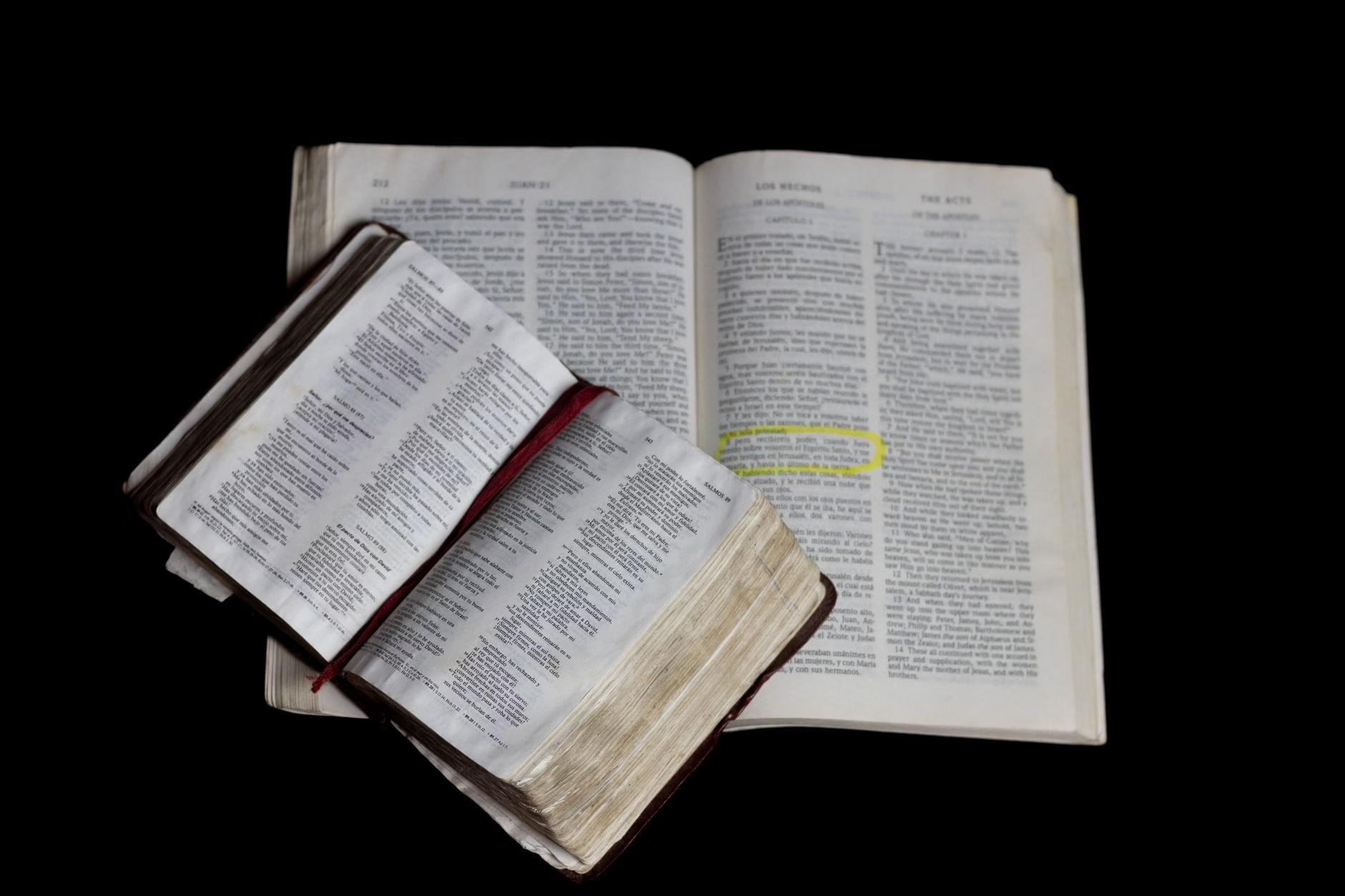
The perception of a "bad wife" in biblical contexts can evoke a great deal of discussion and interpretation among believers and non-believers alike. As society continues to evolve, the understanding of relationships and roles within marriage comes into question. What does the Bible say about the qualities of a bad wife? How can these scriptures shape our understanding of marriage, relationships, and personal character? In this blog post, we'll explore several verses, their meanings, and how they apply to our lives today.
Understanding the Concept of a "Bad Wife" in the Bible
Before we dive into specific scriptures, it's vital to frame what the Bible defines as a "bad wife." The Scriptures often emphasize qualities such as faithfulness, respect, and support. A woman who embodies the opposite of these traits, such as being contentious, disobedient, or untrustworthy, is frequently referenced as embodying these negative characteristics.
Characteristics Described in Proverbs
1. Contentious Nature
The Book of Proverbs addresses the idea of a contentious or quarrelsome wife in several verses. One prominent example is:
Related Posts:
Proverbs 21:19 (NIV) – "Better to live in a desert than with a quarrelsome and nagging wife."
This scripture highlights the importance of peace and harmony at home. A contentious spirit can create discord, making a home feel more like a battlefield than a sanctuary.
2. Lack of Discretion
Another trait often linked to the idea of a “bad wife” is a lack of discretion or wisdom in behavior and speech.
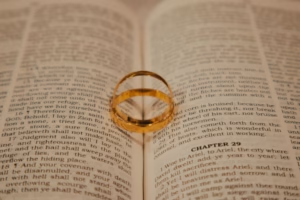
Proverbs 11:22 (NIV) – "Like a gold ring in a pig’s snout is a beautiful woman who shows no discretion."
This metaphor emphasizes that beauty without wisdom can be detrimental, much like an inappropriate adornment that is out of place.
3. Unfaithfulness
Faithfulness is a cornerstone of any lasting relationship. A wife who is unfaithful undermines the trust and loyalty essential for marriage.
Proverbs 30:20 (NIV) – "This is the way of an adulterous woman: She eats and wipes her mouth and says, ‘I’ve done nothing wrong.’"
This verse serves as a caution against infidelity, highlighting the defense mechanisms that some may use to justify their actions.
Lessons on Marriage Dynamics from Scripture
While it is easy to focus on what constitutes a "bad wife," Scripture also provides insights into the dynamics of a healthy marriage.
love">Mutual Respect and Love
A thriving marriage requires both partners to nurture their relationship with respect and love.
- Ephesians 5:33 (NIV): "However, each one of you also must love his wife as he loves himself, and the wife must respect her husband."
This verse emphasizes that marriage is not a one-sided affair; both partners have roles that require love and respect.
The Virtuous Woman
The Bible contrasts the traits of a bad wife with those of a virtuous woman, particularly exemplified in Proverbs 31.
- Proverbs 31:10-31 provides a blueprint for an ideal wife—a woman of noble character who is strong, capable, and wise. The characteristics include diligence, care for her family, and trustworthiness, all actionable traits that show how positively a wife can contribute to a household.
Reflecting on These Verses Today
In today’s world, these verses can provide wisdom for both men and women looking to improve their relationships. Here are a few reflective questions to consider:
- What qualities do I bring to my relationship, and how could I improve?
- How can I promote a more peaceful and respectful home environment?
- Am I holding my partner to unrealistic standards based on societal pressures?
Conclusion: Towards Understanding and Growth
Exploring Bible verses about a “bad wife” may initially seem discouraging but provides an opportunity for self-reflection and growth. Scripture doesn't just highlight negative traits; it reminds us of the qualities that build strong, lasting relationships. By understanding these concepts, couples can foster healthier dynamics that promote love, respect, and mutual support.
Every marriage has its challenges, but understanding biblical principles can help navigate these waters. Let’s strive to embody the positive characteristics not just for ourselves but for our partners, aiming to meet the shared expectations that lead to a successful and loving partnership.