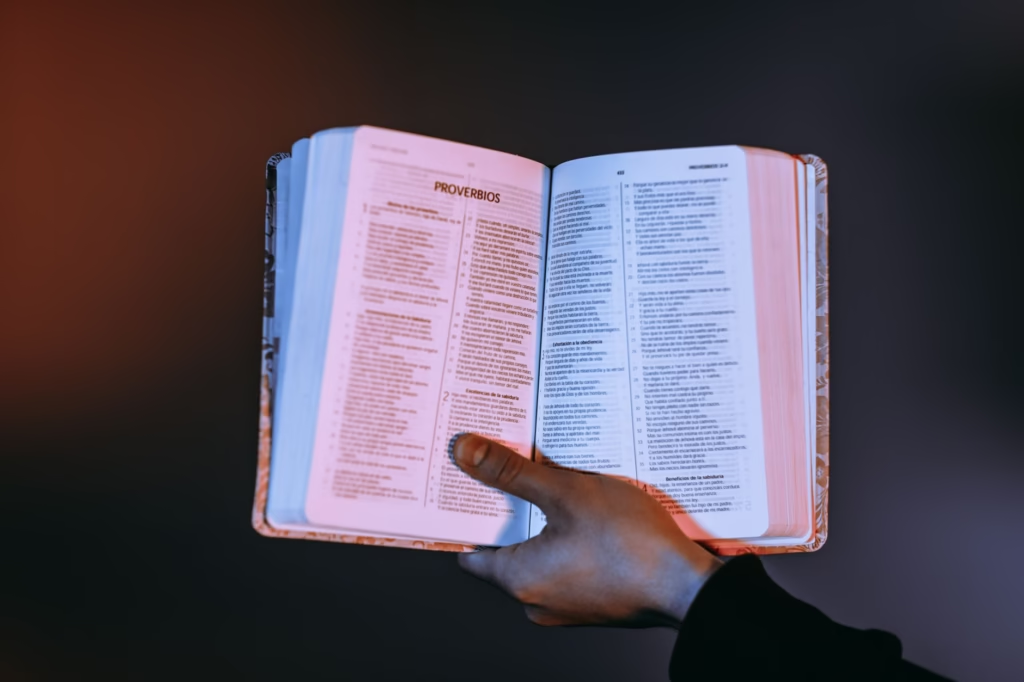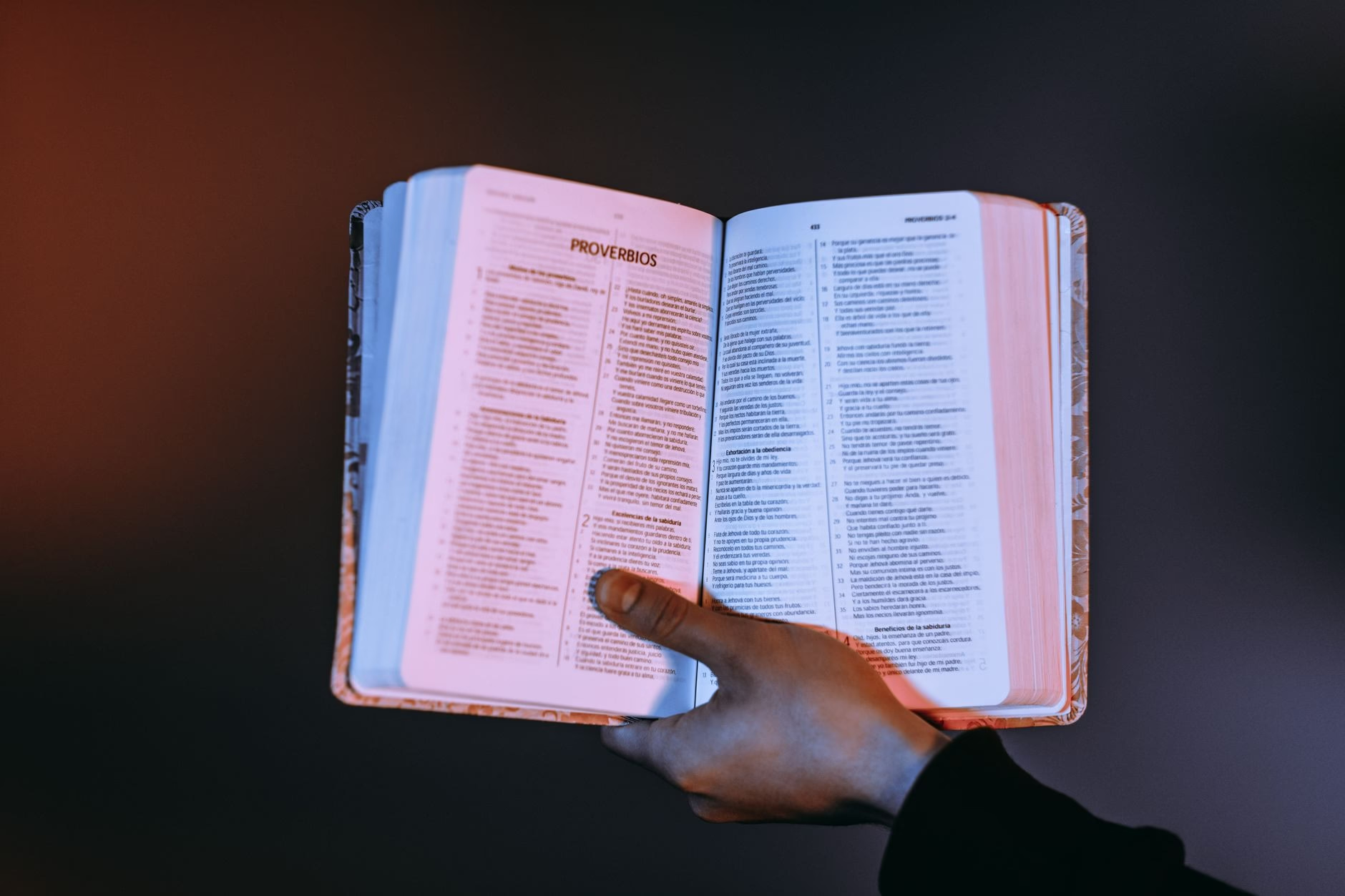
Bible Verse: Accept the Things I Cannot Change
Introduction
Life is a delicate dance of control and surrender, requiring wisdom to discern what is within our grasp and what resides beyond it. This balance is poignantly captured in the well-known Serenity Prayer, which resonates deeply within spiritual communities: "God grant me the serenity to accept the things I cannot change, courage to change the things I can, and wisdom to know the difference." While not a direct Bible verse, this prayer encapsulates a profound biblical principle that has provided guidance and comfort for countless individuals. In this post, we will explore the essence of acceptance as echoed in the Bible, and how embracing this principle can transform our approach to life’s inevitable challenges.
Understanding Acceptance in a Biblical Context
Embracing Faith and Surrender
Acceptance is more than a passive acknowledgment of circumstances; it is an active demonstration of faith. The Bible teaches us to trust in God's greater plan and timing.
- Proverbs 3:5-6: "Trust in the Lord with all your heart and lean not on your own understanding; in all your ways submit to him, and he will make your paths straight."
This verse encourages believers to rely on divine wisdom rather than their own limited perspective, laying the groundwork for genuine acceptance.
Acceptance Through Suffering
The scriptures also recognize that life includes suffering, and through these trials comes spiritual growth and resilience.
- Romans 8:28: "And we know that in all things God works for the good of those who love him, who have been called according to his purpose."
This verse reassures that every experience, whether joyous or painful, contributes to a greater divine purpose, emphasizing the importance of accepting life's adversities as essential components of spiritual development.
Applying Biblical Acceptance in Daily Life
Where to Begin: Focusing on the Present
One practical application of biblical acceptance is to focus on the present moment rather than dwelling on the past or worrying about the future.
- Practice mindfulness and prayer to maintain a calm and centered mind.
- Acknowledge emotions without judgment, allowing them to inform rather than dominate your actions.
Accepting Limitations and Embracing Action
Acceptance involves recognizing our limitations while also being proactive about what we can influence. The Bible emphasizes this dual approach:
- Philippians 4:6-7: "Do not be anxious about anything, but in every situation, by prayer and petition, with thanksgiving, present your requests to God."
This guidance helps believers balance acceptance with action. While praying for guidance, they are encouraged to pursue practical steps aligned with their values and circumstances.
The Transformative Power of Acceptance
Fostering Inner Peace
Acceptance can lead to a profound sense of peace and contentment, freeing individuals from the burden of resistance and control. This peace is a manifestation of trusting in a higher power’s benevolent will.
Building Resilience and Compassion
By accepting the unchangeable, individuals build resilience, learning from every experience. Moreover, this acceptance enables compassion toward others, as understanding our own limitations fosters empathy.
Conclusion
The wisdom within the Serenity Prayer and its biblical roots offer timeless insights into navigating life with acceptance and grace. By surrendering what lies beyond our control and courageously addressing what we can change, we align ourselves with a powerful biblical principle that promotes peace, resilience, and spiritual growth.
Embrace this journey of acceptance, trusting that each moment, whether filled with joy or challenge, serves a divine purpose. Equip yourself with faith, wisdom, and a readiness to engage with life in all its myriad forms, confident in the knowledge that you are never truly alone.