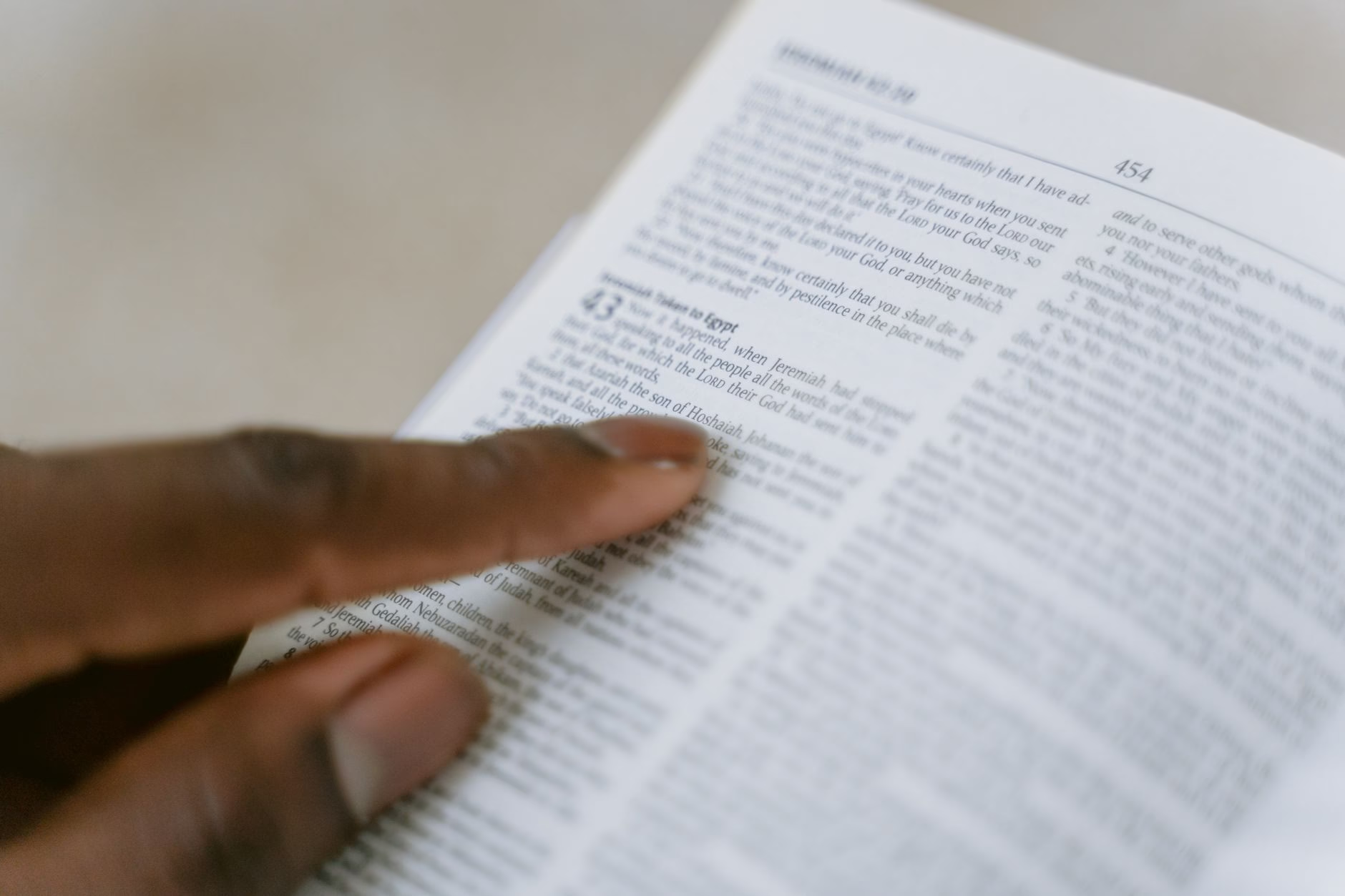
Short answer: The Bible verse about not mixing can be found in Leviticus 19:19, which instructs not to mix livestock, seeds, or fabrics. This verse emphasizes purity and separation, guiding believers towards integrity and distinctiveness in their faith.
Understanding the Bible Verse About Not Mixing: A Closer Look
The Bible is a vast collection of texts, and throughout its pages, it addresses an array of human behaviors, spiritual guidance, and cultural practices. Among these teachings, there is a fascinating concept related to “not mixing,” which has intrigued believers and scholars alike. But what does the Bible really mean when it speaks about mixing? How does it apply to us today? This blog post will delve into the nuances of this topic, shedding light on its historical context and offering thoughtful insights into its contemporary relevance.
The Origins of the Concept: Historical Context
The Old Testament Law
In the Old Testament, specifically in the book of Leviticus, there’s a directive forbidding certain types of mixing. Leviticus 19:19 states:
“You are to keep My statutes. You must not crossbreed two different kinds of your livestock; sow your fields with two kinds of seed; or wear clothing made of two kinds of material.”
This verse falls within a chapter filled with various statutes aimed at setting apart the Israelites from their neighbors. The prohibition against mixing types of animals, seeds, and materials was symbolic of purity and separateness — key themes in the Jewish identity centered on holiness.
Cultural and Religious Significance
- Symbolic Purity: For the Israelites, these laws were part of a broader covenant with God, signifying their separation from pagan practices.
- Identity and Differentiation: The Israelites used these distinctions to maintain a unique cultural and spiritual identity that kept them distinct amidst the influences of other nations.
Interpreting the Commandments: What Do They Mean?
Beyond Literal Interpretation
Seeing the Bible as a text rich in metaphor and deeper meaning, scholars often approach these mixing prohibitions as guiding principles rather than strict ordinances applicable to modern life:
- Purity and Integrity: The prohibition can be seen symbolically, representing the need for purity in worship and ethical adherence.
- Undivided Allegiance: The laws might encourage loyalty to a community’s convictions or faith without compromising or syncretizing with conflicting beliefs.
New Testament Perspectives
The New Testament doesn’t reiterate these particular Levitical statutes but instead emphasizes inner purity and faith. Jesus often critiqued the Pharisees for focusing on external adherence to the law rather than internal righteousness:
- Focus on the Heart: In Mark 7:15, Jesus says, “Nothing outside a person can defile them by going into them. Rather, it is what comes out of a person that defiles them.”
This shift from the external to the internal marks a significant evolution in biblical teaching concerning what it means to be holy and set apart.
Contemporary Relevance: How Does It Apply Today?
Modern-Day Application
While many of these Old Testament laws seem distant from our current practices, they offer timeless lessons that are still relevant:
- Holistic Living: The principle of checking for inconsistency in our lives ensures harmonious living aligned with our core values and beliefs.
- Cultural Integration: As the world becomes increasingly interconnected, understanding the balance between cultural assimilation and maintaining personal or group identity becomes crucial.
Personal Reflections
For modern believers, the true lesson may lie in self-reflection — considering how principles of purity, faithfulness, and distinctiveness apply in contemporary settings:
- Maintaining Personal Integrity: Just as the laws guided the Israelites to remain faithful and distinct, individuals today can strive to live in accordance with their personal convictions and values.
- Community Values: Encouraging communal guidelines that promote healthy mixing while respecting the integrity and identity of each member.
Conclusion: Embracing the Deeper Meaning
The biblical injunctions against mixing, while rooted in ancient contexts, offer powerful insights into the nature of personal and communal identity. Navigating these principles involves balancing tradition with modernity, cultural integration with individual distinctiveness, and external practices with internal convictions.
As we continue to explore these themes both in ancient texts and contemporary societies, let us remember the importance of thoughtful reflection in our spiritual and moral journeys. The Bible’s guidance on mixing challenges us to live with intentionality, embracing the deeper truths of faith and purity in every aspect of life.
Key Takeaways
- Leviticus 19:19 forbids mixing different animals, seeds, and materials for purity.
- These laws highlight the importance of maintaining a distinct identity in faith.
- New Testament teachings focus on inner purity over external rules.
- Modern application encourages personal integrity and thoughtful living.
Embrace Personal Integrity
Reflect on how the principle of non-mixing influences your personal values. Strive to uphold integrity that aligns with your beliefs in daily life.
Frequently Asked Questions
What does Leviticus 19:19 say?
Leviticus 19:19 states not to crossbreed livestock, sow fields with mixed seeds, or wear clothing made of different materials.
Why were these mixing laws important?
These laws symbolized purity and helped maintain the Israelites' unique cultural and spiritual identity.
How does the New Testament view these laws?
The New Testament emphasizes inner purity and the condition of the heart rather than strict adherence to old laws.
How can I apply these principles today?
You can maintain personal integrity and be mindful of how cultural influences affect your beliefs and values.
The Bottom Line
Understanding the biblical concept of not mixing offers us a chance to reflect on our own lives and values. By embracing the deeper meanings behind these teachings, we can strive for a life that aligns with our convictions and promotes integrity in our communities.