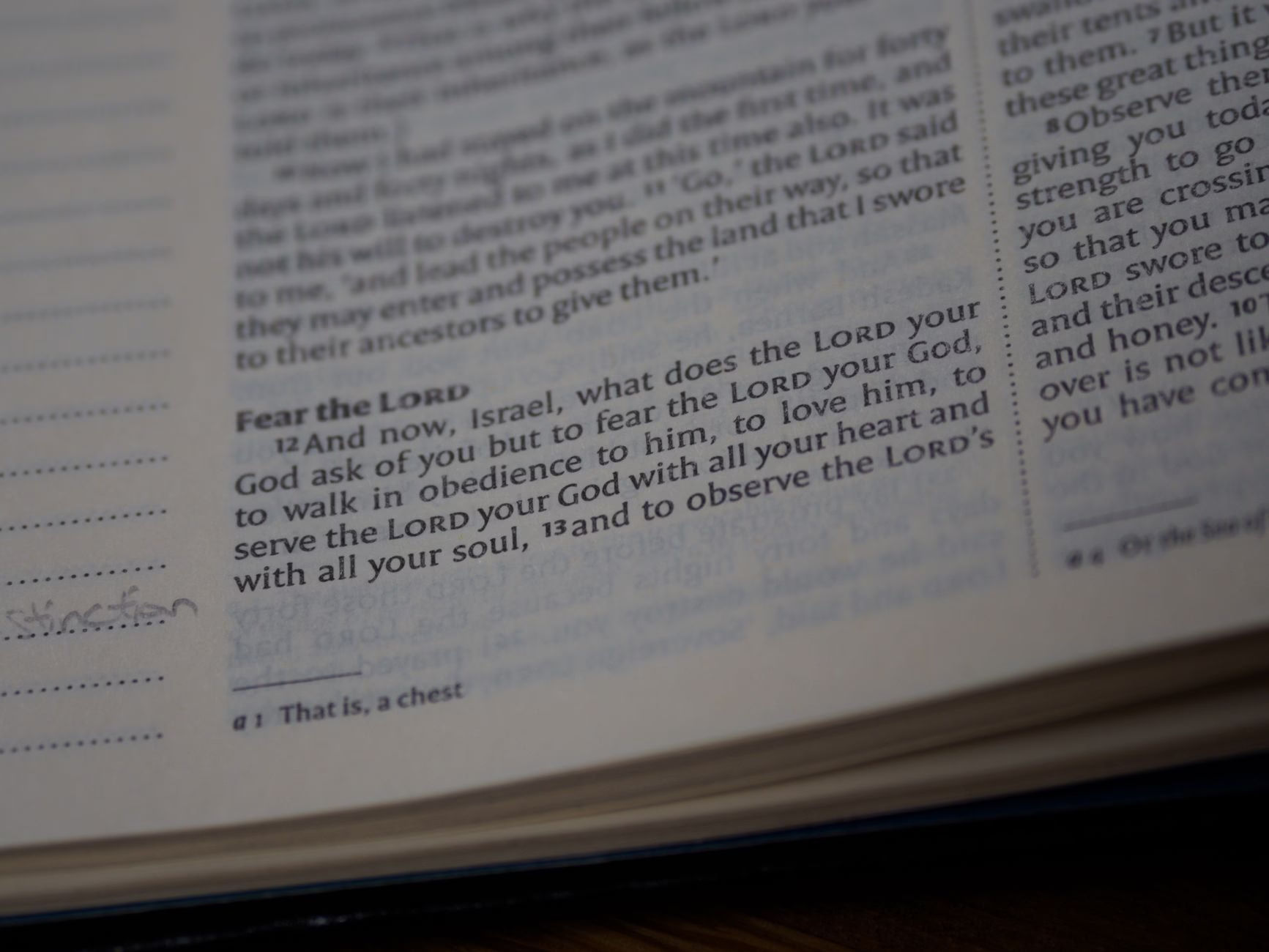
Short answer: The Bible teaches us to love everyone unconditionally, emphasizing our shared humanity. Key verses include 1 John 4:7-8, which states that love comes from God, and Matthew 5:44, where Jesus instructs us to love our enemies.
Bible Verses About Loving Everyone No Matter What
Love is a timeless theme that resonates deeply within the human experience. In many religious and cultural contexts, love is considered a paramount virtue. For Christians, the Bible offers a wealth of wisdom on how to love others unconditionally, just as Christ loves us. In this blog post, we’ll explore what the Bible says about loving everyone, regardless of circumstances, and how we can apply these teachings in our lives today.
The Essence of Love in the Bible
The Bible is replete with verses that emphasize the importance of love. The teachings about love can be found from the Old Testament to the New Testament, outlining how essential it is to live a life that reflects Jesus’ teachings.
1 John 4:7-8: "Dear friends, let us love one another, for love comes from God. Everyone who loves has been born of God and knows God. Whoever does not love does not know God, because God is love."
This passage highlights the very nature of God as love itself, encouraging believers to manifest this divine love through their actions.
John 13:34: "A new command I give you: Love one another. As I have loved you, so you must love one another."
This verse captures Jesus' direct instruction to his followers. He sets the standard of love not merely as a feeling, but as an action—a commitment to care for others as He did.
Why Love Matters: Biblical Importance
Loving everyone, without exception, is not just a suggestion but a command in the Bible. It serves as a reflection of God’s love for humanity and is crucial to living a Christ-like life.
Love as an Actionable Command
Matthew 5:44: "But I tell you, love your enemies and pray for those who persecute you."
This radical instruction challenges our human instincts. It teaches that love transcends personal grievances and resentment, advocating instead for reconciliation and peace.
Romans 13:8: "Let no debt remain outstanding, except the continuing debt to love one another, for whoever loves others has fulfilled the law."
Here, love is described as a debt that we owe to each other—an obligation that is never fully paid and continuously calls for action.
The Role of Love in Community
Building a community founded on love brings about unity and strength. The Bible encourages believers to create compassionate and supportive environments where love prevails.
Colossians 3:14: "And over all these virtues put on love, which binds them all together in perfect unity."
Love is portrayed as the ultimate connector, bringing people together and maintaining harmony within the community.
1 Peter 4:8: "Above all, love each other deeply, because love covers over a multitude of sins."
Love is not only an act of kindness but also forgiveness. It shows the power of love to mend relationships and heal past hurts.
Applying Biblical Love in Daily Life
While understanding these verses is crucial, applying them in everyday life is where the real challenge lies. Here are some practical ways to embody biblical love:
Practice Empathy: Seek to understand others, especially those who differ from you. Listen actively and demonstrate compassion.
Forgive Generously: Harboring grudges only leads to bitterness. Choose to forgive as Christ forgave.
Serve Selflessly: Offer your time and resources to help others without expecting anything in return. Acts of service are profound expressions of love.
Pray Earnestly: Prayer changes hearts and minds. Pray for the strength to love, especially when it’s difficult.
Conclusion: Love as a Lifelong Commitment
The command to love everyone, no matter what, is a lifelong commitment that requires dedication and intentionality. By reflecting on and embracing the teachings of the Bible, we begin to mirror God's unconditional love in our interactions with others. As we strive to love more deeply and authentically, we not only enrich our own lives but also transform the world around us, one loving action at a time.
In a world constantly in need of more kindness and understanding, embracing the biblical mandate to love can be the catalyst for profound change. Let us commit to loving everyone, and in doing so, fulfill the greatest commandment of all.
Key Takeaways
- 1 John 4:7-8 highlights that love is from God and essential for knowing Him.
- Jesus commands us to love one another as He loves us (John 13:34).
- Matthew 5:44 teaches us to love our enemies and pray for them.
- Love binds communities together and fosters healing and forgiveness (Colossians 3:14).
Embrace Unconditional Love
Practice empathy to genuinely understand others. Actively forgive and offer service without expecting anything in return to live out biblical love.
Frequently Asked Questions
What does the Bible say about loving everyone?
The Bible commands us to love everyone, reflecting God's love in our lives.
How can I practice unconditional love?
Start by being empathetic, forgiving easily, and serving others selflessly.
Why is love important in the Bible?
Love is central in the Bible, illustrating God's nature and our purpose as believers.
What are some key verses on love?
Key verses include 1 John 4:7-8, John 13:34, and Matthew 5:44.
The Bottom Line
Loving everyone, no matter what, is a divine calling that enriches both our lives and the world around us. By embodying God's love, we can transform hearts and relationships, creating a more compassionate community for all.