
Relationships
Love Is A Friendship Set Ablaze: Key Bible Verses and Insights
Nov 27, 2026 · 12 min read
Explore Bible verses about being rejected by your family and find encouragement in God's promises during difficult times.

Key Takeaways
Being rejected by one’s family is a painful experience that many individuals encounter. Family is often viewed as a source of unconditional love and support. However, for some, this expectation is not fulfilled, leading to feelings of isolation and heartache. When you find yourself in a situation where your family does not accept you, it can be challenging to navigate the emotional turmoil that ensues.
Fortunately, the Bible offers profound insights and encouragement for those facing rejection, especially from family. Through Scripture, we can find comfort in knowing that we are never truly alone, and we can lean on God’s promises during these difficult times. This article will explore various Bible verses about being rejected by your family, highlighting their meanings and how they can provide solace.
By understanding the biblical perspective on family rejection, we can better grasp the depth of God’s love for us. This love is not dependent on our earthly relationships but is a constant source of strength in our lives.
The Bible is filled with stories of individuals who faced rejection, even from their own families. These accounts illustrate the complex nature of familial relationships and the pain that can arise when acceptance is absent. One of the most poignant examples is found in the life of Joseph, who was rejected by his brothers. In Genesis 37:28, we read, “So when the Midianite merchants came by, his brothers pulled Joseph up out of the cistern and sold him for twenty shekels of silver to the Ishmaelites, who took him to Egypt.” Joseph’s experience serves as a reminder that rejection can come from those closest to us.
Another significant biblical figure who faced family rejection is Jesus Christ. In Mark 6:4, He stated, “A prophet is not without honor except in his own town, among his relatives and in his own home.” Jesus experienced rejection not only from strangers but also from His family and community. This illustrates that even the most righteous individuals can face rejection, showing that it is a common human experience.
Understanding these biblical narratives helps us recognize that rejection is not a reflection of our worth. Rather, it is often a result of misunderstanding, fear, or cultural expectations. The Bible teaches us that God values each person uniquely, regardless of their relational difficulties.
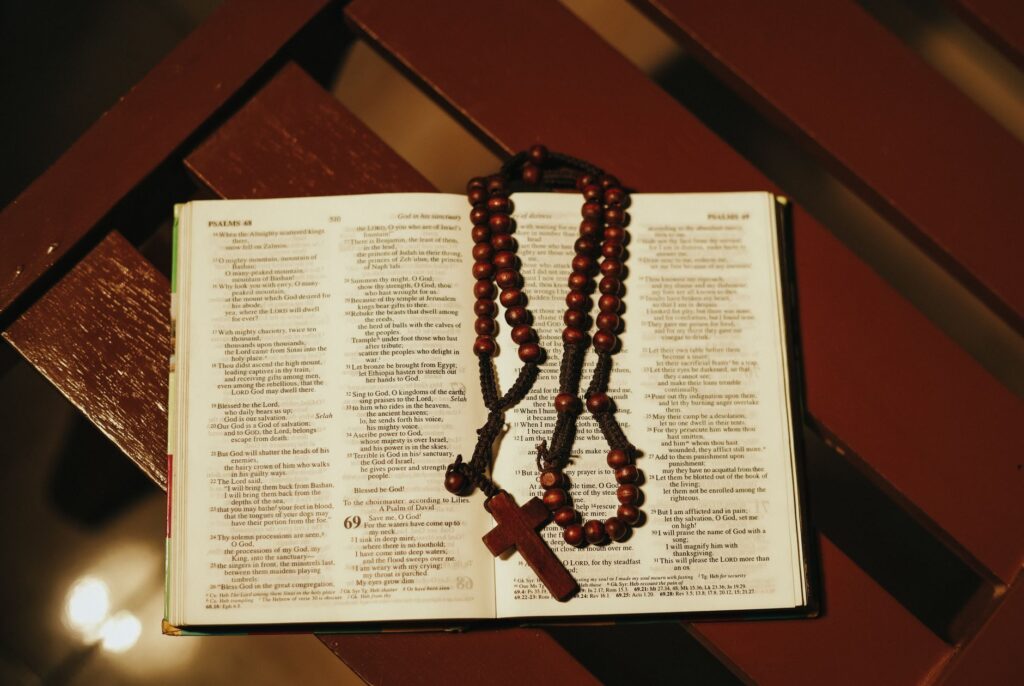
When grappling with feelings of rejection, certain Bible verses can offer comfort and reassurance. Here are some key verses that speak directly to the experience of family rejection:
Consider the story of a young woman named Sarah. Raised in a devout family, Sarah felt a calling to pursue a different path in her faith. When she expressed her desire to explore her beliefs outside of the family’s traditional views, her parents reacted with disappointment and anger, leading to a complete breakdown in communication.
For Sarah, the pain of being rejected by her family was overwhelming. She often felt isolated, grappling with feelings of unworthiness and loneliness. However, during this challenging time, she turned to Scripture for solace. Verses like Psalm 27:10 encouraged her, reminding her that while her parents had distanced themselves, God was still her refuge and comforter.
Through prayer and reflection, Sarah learned to find her identity and worth in God’s love rather than in her family’s acceptance. This journey helped her rebuild her confidence and eventually led to healing conversations with her family, as they began to understand her perspective.
Coping with family rejection requires both emotional and spiritual strategies. Here are some practical steps that may help:
When faced with rejection, it’s crucial to remember that God’s love is steadfast. Here are additional Bible verses that can provide hope and encouragement:

Sometimes, family rejection can be temporary. If you find yourself in a position where you want to rebuild relationships, consider these approaches:
In moments of family rejection, it may feel as though we are utterly alone, but Scripture assures us that God is acutely aware of our struggles. Psalm 34:18 promises, “The Lord is near to the brokenhearted and saves the crushed in spirit.” This verse highlights God’s proximity to those who are suffering. He does not stand at a distance; rather, He draws near to comfort us in our pain.
Understanding that God sees our sorrow can provide a profound sense of relief. We are reminded that our feelings are validated by the Creator of the universe. His compassionate gaze is upon us, offering solace in our darkest moments.
Jesus Himself faced rejection, even from His own family. In Mark 3:21, we read, “And when His family heard it, they went out to seize Him, for they were saying, ‘He is out of His mind.'” This illustrates that even the Son of God experienced misunderstanding and estrangement from those closest to Him.
By reflecting on Jesus’ experiences, we find that our pain is shared by the one who understands us most deeply. He empathizes with our struggles and provides us with an example of how to respond to rejection with grace and love.
In times of family rejection, prayer can be a powerful tool for healing and connection with God. Philippians 4:6-7 encourages us, saying, “Do not be anxious about anything, but in everything by prayer and supplication with thanksgiving let your requests be made known to God. And the peace of God, which surpasses all understanding, will guard your hearts and your minds in Christ Jesus.”
By bringing our pain to God in prayer, we can find comfort and peace that transcends our circumstances. This connection can be a source of hope amidst feelings of rejection.

When facing rejection from our biological families, it is essential to recognize that the church can serve as a new family. In Galatians 6:10, we are reminded, “So then, as we have opportunity, let us do good to everyone, and especially to those who are of the household of faith.” This indicates that we are called to support one another within the body of Christ.
Finding a supportive community can provide encouragement and companionship during painful times. Engaging with fellow believers allows us to build meaningful relationships that reflect the love of Christ. Through shared experiences and mutual support, we can create a new family rooted in faith.
Serving others can also help heal the wounds of rejection. In John 13:34-35, Jesus commands us to love one another, stating, “By this all people will know that you are My disciples, if you have love for one another.” By actively loving and serving those in our church community, we can forge deep connections and find a sense of belonging.
As we engage in service, we not only help others but also create bonds that can fill the void left by family rejection. These relationships can enrich our lives and provide a sense of family support that we may be missing.
In addition to our local church, we must remember that we are part of a larger family of believers worldwide. Ephesians 2:19 states, “So then you are no longer strangers and aliens, but you are fellow citizens with the saints and members of the household of God.” Embracing this truth can help us find solace in knowing that we belong to a vast family of faith.
By connecting with believers from different backgrounds and cultures, we can broaden our understanding of God’s love and grace. This can also offer new perspectives and encouragement as we navigate the pain of rejection.
Forgiveness is a vital aspect of healing when we face rejection. Ephesians 4:32 urges us to “be kind to one another, tenderhearted, forgiving one another, as God in Christ forgave you.” Holding onto resentment only prolongs our pain and makes it difficult to move forward.
Forgiveness is not about condoning the behavior that led to our rejection but rather about freeing ourselves from the burden of anger and bitterness. When we choose to forgive, we open ourselves up to healing and the possibility of reconciliation.
Engaging in the process of forgiveness can be transformative. Here are some steps to guide you through this journey:
By taking these steps, we can experience the freedom that comes from forgiving others, allowing us to heal and find hope even amidst rejection.
Understanding God’s forgiveness towards us can serve as a model for how we approach forgiveness in our own lives. In 1 John 1:9, we are reassured that “if we confess our sins, He is faithful and just to forgive us our sins and to cleanse us from all unrighteousness.” Recognizing the depth of God’s mercy inspires us to extend that same grace to others.
As we meditate on the forgiveness we have received, we can find the strength to forgive those who have rejected us. This not only brings healing to our hearts but also reflects the character of Christ to those around us.
It’s important to seek support from friends or community groups that share your beliefs. Ground yourself in Scripture and remember that God’s love is constant.
Healing takes time, but engaging in prayer, seeking therapy, and surrounding yourself with supportive individuals can be beneficial steps toward recovery.
Yes, both Joseph and Jesus faced rejection from their families. Their stories illustrate the complexities of family dynamics and the possibility of healing and redemption.
Focus on your relationship with God, meditate on His promises, and engage in self-care practices that bring you joy and solace.
Rejection by family can be one of life’s most painful experiences, but the Bible offers comfort and hope. By grounding ourselves in Scripture and seeking God’s love, we can navigate these challenges with faith. Remember, you are not alone, and God’s acceptance and love are unwavering, providing a solid foundation to face rejection with grace and strength.
Weekly encouragement
Free Bible study guides, prayer help and a verse to carry through your week. No spam, unsubscribe anytime.



Join the conversation