
Family & Parenting
Bible Verses About Disrespect To Parents: Key Insights and Guidance
Nov 23, 2026 · 12 min read
Explore Bible verses about children's duty to parents, understanding their responsibilities and the blessings of honoring them.

Key Takeaways
The relationship between children and parents is one of the most fundamental aspects of family life. In the Bible, there are numerous verses that highlight the duty of children to honor and obey their parents. Understanding these Scriptures can provide valuable insights into how children can fulfill their responsibilities while also experiencing the blessings that come from a respectful family dynamic.
Children’s duty to their parents is not merely a cultural expectation; it is a divine commandment rooted in the Scriptures. The Bible provides clear guidance on how children should treat their parents, emphasizing respect, obedience, and love. In this article, we will explore various Bible verses about children’s duty to parents, the significance of these teachings, and practical applications for everyday life.
As we delve into these verses, we will see how honoring parents reflects a child’s heart towards God and how it shapes their character and relationships with others. Let’s explore the Scriptures to uncover what God desires for children in their relationship with their parents.
One of the most well-known verses regarding children’s duty to parents is found in Exodus. Exodus 20:12 states, “Honor your father and your mother, that your days may be long in the land that the Lord your God is giving you.” This commandment emphasizes the importance of honoring both parents, which is foundational for a healthy family structure. The promise attached to this command indicates that honoring parents is not only a moral obligation but also leads to blessings.
This command is echoed in the New Testament as well. Ephesians 6:1-3 says, “Children, obey your parents in the Lord, for this is right. Honor your father and mother (this is the first commandment with a promise), that it may go well with you and that you may live long in the land.” Here, the apostle Paul reiterates the importance of obedience and honor, tying it directly to the well-being of the children.
In these verses, we can observe that the duty of children is not just about obedience but involves a heart of honor and respect. This duty is seen as fundamental to the order God established within the family and society. Honoring parents is a reflection of our attitude toward authority, and it helps cultivate a spirit of humility and gratitude.
Obedience to parents is a crucial aspect of children’s duty. Colossians 3:20 instructs, “Children, obey your parents in everything, for this pleases the Lord.” This verse emphasizes that obedience should not be conditional; it is to be practiced in all things, aligning with God’s will.
However, it’s important to understand that this obedience is framed within a context of love and mutual respect. Children are encouraged to engage with their parents in a spirit of cooperation rather than mere compliance. This means asking questions, expressing feelings, and participating in family decisions when appropriate, which fosters a deeper relationship.
For instance, consider a scenario where a child is asked to help with chores. Instead of seeing it as a burden, the child can view it as an opportunity to contribute to the family environment. By obeying parents, not only do children fulfill their duties, but they also cultivate a sense of responsibility and teamwork within the family.
Respect is a core component of the duty children owe to their parents. Proverbs 1:8-9 states, “Hear, my son, your father’s instruction, and forsake not your mother’s teaching, for they are a graceful garland for your head and pendants for your neck.” This highlights the value of the wisdom and teachings that parents impart to their children.
Respect involves listening and valuing the perspectives of parents, recognizing their experiences and insights. It is an acknowledgment of their role and sacrifices made throughout the years. Children who respect their parents are more likely to cultivate strong, healthy relationships that impact their lives positively.
Moreover, respect is reciprocal. When children demonstrate respect, it sets a tone that encourages parents to engage with them positively, fostering an environment of love and understanding. This dynamic can lead to open discussions about values, decisions, and life challenges, ultimately strengthening the family bond.
Honoring parents can take many forms. Here are some practical ways children can fulfill their duty:
Honoring parents is not only a duty; it brings numerous blessings. As mentioned earlier, Exodus 20:12 promises that doing so will lead to a long and prosperous life. When children respect and obey their parents, they often find themselves in a more harmonious family environment.
Additionally, children who honor their parents can experience a greater sense of purpose and direction in their own lives. This is because the values and principles instilled by parents can guide children in their decisions, helping them navigate challenges with wisdom.
Moreover, the relationships formed through honor and respect can yield lifelong benefits. A child who practices honoring their parents is likely to replicate that behavior in their future relationships, including their own families. This creates a legacy of respect and love that extends to future generations.
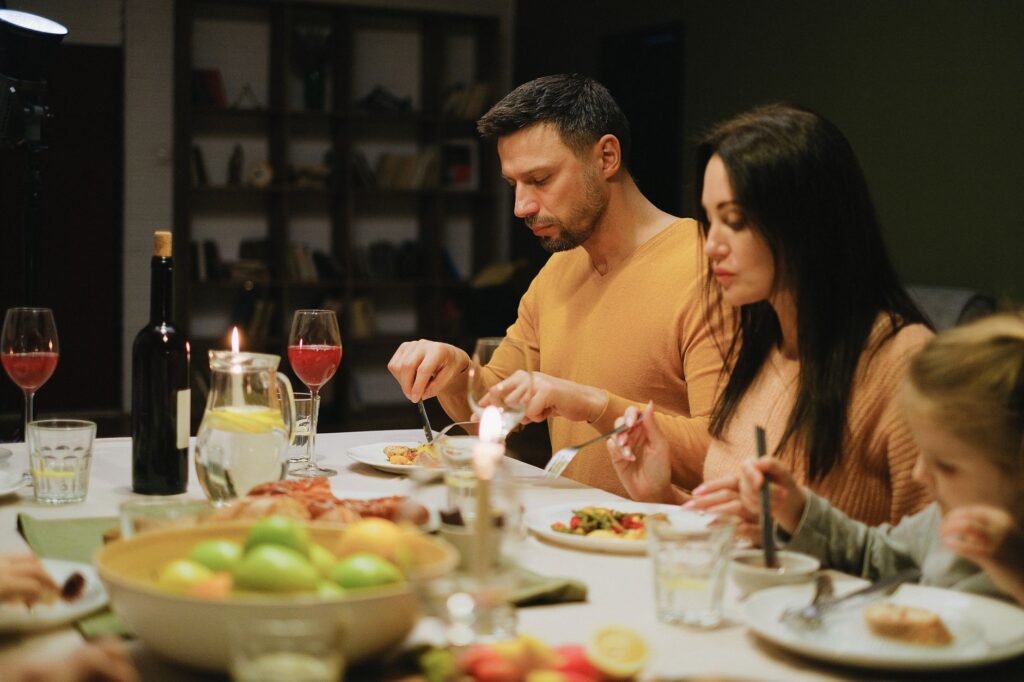
Consider a young girl named Sarah. Growing up, Sarah often found herself at odds with her parents over her social life and schoolwork. Frustrated, she would sometimes dismiss their advice, thinking she knew better. However, as she matured, Sarah began to reflect on the sacrifices her parents made for her education and well-being. She started to engage them in conversations about her life, seeking their advice rather than resisting it.
Through this shift, Sarah not only honored her parents but also strengthened their relationship. They began to share more moments together, from family dinners to weekend outings, deepening their bond. Sarah noticed that as she respected her parents more, they became more open to her ideas and perspectives, creating a more collaborative family environment.
This illustrates how honoring parents can transform relationships, fostering mutual respect and understanding that benefits everyone involved.
Children are called to provide emotional support to their parents as a form of honoring them. In 1 Thessalonians 5:11, Paul encourages believers to “encourage one another and build each other up.” This directive applies to family relationships as well, emphasizing the importance of nurturing and uplifting one another. Providing emotional support can manifest in various ways, including active listening, empathy, and reassurance during difficult times.
Supporting parents emotionally also involves being patient and understanding. As children grow, they may encounter challenges that their parents face, which could include health issues or stress. In these moments, children can embody the spirit of Proverbs 17:17, which states, “A friend loves at all times, and a brother is born for a time of adversity.” This verse encourages children to be present in their parents’ lives, especially during hardships.
Acts of kindness are significant ways children can honor their parents and reflect their love. Jesus teaches us about serving others in Mark 10:45, where He states that He came not to be served but to serve. Children can follow this example by engaging in simple acts of kindness, such as helping with household chores, running errands, or preparing meals.
Here are some thoughtful ways to serve and show kindness to parents:
These acts not only lighten the load for parents but also foster deeper connections within the family.
Children have a unique opportunity to pray for their parents, which is a powerful way to honor them spiritually. In James 5:16, we are reminded of the effectiveness of prayer: “The prayer of a righteous person is powerful and effective.” Praying for parents can bring comfort and strength, as it invites God’s presence into their lives and situations.
Moreover, children can encourage their parents to grow spiritually. In Proverbs 22:6, we read, “Train up a child in the way he should go; even when he is old, he will not depart from it.” This verse highlights the reciprocal nature of spiritual growth. As children encourage their parents in faith, they too reinforce their own spiritual foundations.

Jesus Christ is the ultimate example of honoring parents. Even as He carried out His divine mission, He remained devoted to His earthly parents. In Luke 2:51, we see that Jesus went down with them and was obedient to them. This obedience showcases the respect and duty children have toward their parents, despite their own significant responsibilities.
Furthermore, as Jesus was dying on the cross, He demonstrated care for His mother, Mary, by entrusting her to the disciple John (see John 19:26-27). This act exemplifies that honoring parents extends beyond childhood and should continue into adulthood, particularly in providing care and support.
King Solomon, known for his wisdom, also provides insights into the duty of children toward their parents. In Proverbs 1:8, Solomon instructs, “Hear, my son, your father’s instruction, and forsake not your mother’s teaching.” This verse underscores the importance of valuing parental guidance throughout life, as it equips children with wisdom to navigate the complexities of the world.
Additionally, Solomon often emphasizes the rewards of honoring parents, such as long life and prosperity. In Proverbs 3:1-2, he writes, “My son, do not forget my teaching, but let your heart keep my commandments, for length of days and years of life and peace will be added to you.” This highlights that the duty to honor parents comes with divine blessings.
The story of Ruth and Naomi in the book of Ruth exemplifies an extraordinary commitment to honoring parents. After the death of her husband, Ruth chose to stay with her mother-in-law, Naomi, demonstrating profound loyalty and love. Ruth’s declaration in Ruth 1:16, “Where you go, I will go, and where you lodge, I will lodge. Your people shall be my people, and your God my God,” highlights the depth of her commitment.
This narrative illustrates that honoring parents can sometimes involve making sacrifices and choosing to support them through challenging times. Ruth’s faithfulness led to blessings not only for her but for Naomi as well, showing how the honor we give can have a ripple effect on the lives of those we love.
Establishing healthy boundaries is an essential aspect of the child-parent relationship. While it is crucial to honor and respect parents, children must also recognize the importance of their own physical, emotional, and spiritual well-being. Galatians 6:5 states, “For each will have to bear his own load,” indicating that each individual has their own responsibilities, including children.
Healthy boundaries allow for a respectful relationship where children can express their needs without feeling guilty. This approach aligns with the biblical principle found in 1 Corinthians 10:23, which reminds us that while all things may be lawful, not all things are helpful. Understanding this principle helps children navigate their relationships with parents in a way that honors both parties.
Open and respectful communication is vital when setting boundaries. In Proverbs 15:1, we read, “A soft answer turns away wrath, but a harsh word stirs up anger.” Children can practice this by approaching their parents with kindness and clarity when discussing their feelings or limitations. This method fosters an environment where both children and parents can express themselves without fear of conflict.
Here are some tips for effective communication with parents:
Finally, children are called to honor their parents with wisdom. This means discerning when to follow their guidance and when it might be necessary to establish boundaries. Ephesians 6:2-3 emphasizes that honoring parents comes with a promise, but this does not mean blind obedience in all circumstances. Children must balance honor with wisdom, seeking counsel from God to navigate complex situations.
By doing so, they reflect the heart of God, who desires healthy relationships built on love and respect.
Disagreement is natural in any relationship. However, it is essential to approach such situations with respect. Express your views calmly and listen to their perspective. This can lead to constructive conversations rather than conflict.
Honoring difficult parents can be challenging, but it’s still possible. Focus on showing respect through your actions, even if their behavior is not ideal. Setting healthy boundaries can also help maintain a respectful relationship.
While the call to honor parents is strong in Scripture, it is understood within the context of God’s will. If a parent’s request goes against biblical principles, it may be necessary to prioritize obedience to God while still showing respect.
Parents also have duties towards their children. Ephesians 6:4 states, “Fathers, do not provoke your children to anger, but bring them up in the discipline and instruction of the Lord.” This highlights the balanced relationship where both parties have responsibilities.
Children’s duty to parents is a vital aspect of biblical teaching, emphasizing honor, respect, and obedience. By understanding and applying the Scriptures related to this duty, children can cultivate loving and respectful relationships with their parents. Through open communication, acts of gratitude, and a willingness to obey, children not only fulfill their responsibilities but also open the door to blessings in their lives. Embracing these biblical principles can lead to stronger family ties and a legacy of honor that impacts generations to come.
Weekly encouragement
Free Bible study guides, prayer help and a verse to carry through your week. No spam, unsubscribe anytime.


Join the conversation