
Faith and Trust in God
Outreach Bible Verses: Inspiration for Sharing Faith
Nov 12, 2026 · 12 min read
Explore Bible verses about nations rising and falling, gaining insights and hope from Scripture for understanding our world today.

Key Takeaways
Throughout history, the rise and fall of nations have captivated our attention. From powerful empires to humble beginnings, the story of nations reflects the complexities of human existence. As Christians, we believe that God is sovereign over all creation, including the fate of nations. Thus, understanding what the Bible says about nations rising and falling can offer us encouragement and perspective in times of uncertainty.
In the Scriptures, we find numerous verses that address the theme of nations and their fortunes. These verses remind us of God’s control over history and His purpose for humanity. In a world where political powers can seem overwhelming, it is comforting to know that God has a plan that transcends earthly kingdoms.
This article will explore significant Bible verses about nations rising and falling, providing insight into their meanings and practical applications for our lives today. Whether we are witnessing national upheaval or celebrating a nation’s achievements, these verses will guide us in understanding God’s hand at work.
One of the foundational truths in Scripture is that God is sovereign over all nations. This means that He has ultimate authority and control over the rise and fall of nations. In the book of Daniel, we read about God’s sovereignty in a powerful declaration:
“He changes times and seasons; He removes kings and sets up kings; He gives wisdom to the wise and knowledge to those who have understanding.” (Daniel 2:21)
This verse emphasizes that it is God who appoints rulers and brings them down according to His divine plan. Throughout history, we have seen how powerful nations have crumbled while others have risen, all under God’s watchful eye.
Another verse that highlights this truth is found in Psalms:
“The Lord brings the counsel of the nations to nothing; He frustrates the plans of the peoples.” (Psalm 33:10)
Here, we are reminded that human plans and ambitions can be thwarted by God’s will. Nations may devise strategies and seek power, but ultimately it is God who determines their fate.
As believers, we can take comfort in the knowledge that no matter how chaotic the world may seem, God is in control. This truth encourages us to trust in His purpose, even when we face challenges in our own lives or in the nations around us.
The Bible is replete with examples of nations that have risen to greatness and others that have fallen to ruin. These stories serve as powerful reminders of God’s sovereignty and the consequences of turning away from Him.
One notable example is the nation of Israel. Chosen by God, Israel experienced periods of great prosperity and unity, especially under kings like David and Solomon. However, their disobedience and idolatry led to division and eventual conquest. The prophet Jeremiah lamented:
“For the Lord will restore the fortunes of Jacob and have compassion on his dwellings; the city shall be rebuilt upon its mound, and the citadel will stand where it used to be.” (Jeremiah 30:18)
Here, we see that even in their downfall, there was hope for restoration. This is a crucial lesson: while nations may fall due to sin and rebellion, God’s mercy is always available for those who turn back to Him.
Another example is Babylon, a powerful empire that rose to prominence but eventually fell due to pride and arrogance against God. In Isaiah, we read:
“She shall be like a hut in a cucumber field, like a city that has been forsaken.” (Isaiah 1:8)
This imagery illustrates the swift downfall of what was once a mighty nation. Babylon’s story is a cautionary tale about the consequences of forsaking God.

The rise and fall of nations also reflect God’s justice and mercy. When nations turn away from God and embrace wickedness, they face eventual judgment. Yet, God is also merciful and desires repentance and restoration.
In the book of Nahum, we see a strong warning against Nineveh, a city known for its wickedness:
“The Lord is a jealous and avenging God; the Lord is avenging and wrathful; the Lord takes vengeance on His adversaries and keeps wrath for His enemies.” (Nahum 1:2)
This verse illustrates that God does not overlook sin. Nations that defy His laws will ultimately face consequences. However, it is also important to recognize that God’s desire is for all nations to come to repentance:
“The Lord is not slow to fulfill His promise as some count slowness, but is patient toward you, not wishing that any should perish, but that all should reach repentance.” (2 Peter 3:9)
Here, we see God’s heart for humanity. His patience allows time for nations to turn back to Him, demonstrating His mercy amidst impending judgment.
In today’s world, many Christians are witnessing their nations experience significant turmoil. From political unrest to social upheaval, it can be easy to feel anxious or hopeless. However, Scripture provides us with encouragement and guidance.
First, the Bible reminds us that our ultimate citizenship is in heaven. Philippians states:
“But our citizenship is in heaven, and from it we await a Savior, the Lord Jesus Christ.” (Philippians 3:20)
This verse encourages believers to focus on their eternal home rather than becoming overly consumed by national affairs. While we are called to be responsible citizens, our hope lies in Christ, who reigns above all earthly powers.
Second, in times of uncertainty, we are encouraged to pray for our leaders and nations:
“I urge that supplications, prayers, intercessions, and thanksgivings be made for all people, for kings and all who are in high positions.” (1 Timothy 2:1-2)
Praying for our leaders can lead to positive changes in our nations. God listens to our prayers and can bring about His will through them.
Lastly, we are called to be agents of peace and hope within our communities, shining the light of Christ in times of darkness. As Matthew reminds us:
“You are the light of the world. A city set on a hill cannot be hidden.” (Matthew 5:14)
Our actions and attitudes can influence those around us, reflecting God’s love and truth in a world that often feels chaotic.
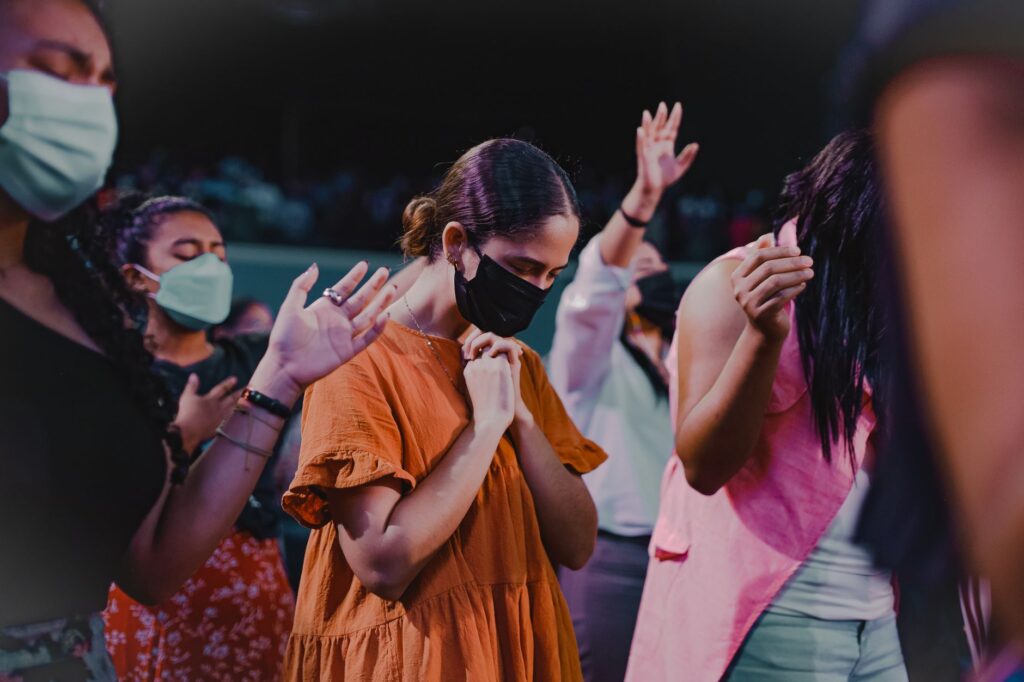

Understanding what the Bible says about nations rising and falling can lead to practical applications in our lives. Here are several ways we can respond to this knowledge:
Each of these actions can contribute to a sense of purpose and connection as we navigate the complexities of our world.
Throughout the Bible, we see numerous instances where prayer played a pivotal role in the affairs of nations. In 2 Chronicles 7:14, God promises, “If my people, who are called by my name, will humble themselves and pray and seek my face and turn from their wicked ways, then I will hear from heaven and will forgive their sin and will heal their land.” This verse highlights the importance of communal repentance and intercession in influencing the spiritual climate of a nation.
Consider the example of Daniel in Babylon. In Daniel 9:3-5, he earnestly prayed for the sins of his people, acknowledging their transgressions. His prayer was not just personal but a collective cry for his nation’s redemption. This illustrates how individual prayers can resonate and have a profound impact on the destiny of nations.
Intercessory prayer is a powerful tool that believers have at their disposal. Romans 8:26-27 explains that the Spirit helps us in our weakness and intercedes for us in accordance with God’s will. This divine assistance in prayer can affect nations. When believers unite in prayer, they can stand in the gap for their nations, seeking God’s intervention and mercy.
Here are some examples of intercessory prayer affecting national outcomes:
These examples serve as reminders that prayer has the potential to change the course of history, as it aligns the hearts of believers with God’s will for their nations.
1 Timothy 2:1-2 instructs believers to pray for those in authority, emphasizing that it is good and pleases God our Savior. By praying for leaders, believers can influence governance and promote peace and righteousness within their nations. This call to prayer is not only for leaders to make wise decisions but also for them to be guided by God’s wisdom.
Here are practical steps for praying for national leaders:
Engaging in prayer for leaders cultivates a spirit of unity among believers and empowers them to take a stand for righteousness in their nations.


The Scriptures show that nations built on faith tend to prosper. Proverbs 14:34 states, “Righteousness exalts a nation, but sin condemns any people.” This verse underscores the idea that a nation’s moral compass, anchored in faith and righteousness, determines its standing before God and its success in the world.
Looking at the early history of the United States, we see that many founding principles were rooted in biblical values. This faith-based foundation influenced the development of laws and governance, which helped shape the nation’s identity. Nations that embrace biblical principles often experience stability, justice, and prosperity.
The Church plays a crucial role in influencing national identity. Matthew 5:13-16 refers to believers as the salt of the earth and the light of the world, highlighting the importance of Christians actively engaging in societal issues. When the Church stands firm in its faith and acts as a moral compass, it can significantly impact its nation.
Ways the Church can influence national identity include:
By embodying Christ-like values, the Church can help shape a nation that reflects God’s character and purposes.
The Bible warns against the consequences of turning away from God. In Romans 1:21-23, Paul describes how ignoring God’s truth leads to moral decay and societal decline. Nations that reject their spiritual heritage often face devastating consequences, including corruption, division, and chaos.
Examples of nations that have turned away from God and experienced decline include:
These examples serve as cautionary tales, reminding us of the importance of holding steadfast to faith as a nation.
In the Bible, prophets were often called to speak God’s truth to nations. They warned of impending judgment and called for repentance, as seen in the ministry of Jeremiah (Jeremiah 1:10). Prophets like Isaiah and Jonah also played significant roles in calling nations to turn back to God.
Today, the prophetic voice remains relevant, as it can bring awareness of God’s will for nations. Believers are encouraged to seek God’s guidance and be open to prophetic insights, which can lead to national transformation.
In challenging times, it is vital for believers to listen for God’s voice. Isaiah 30:21 reminds us, “Whether you turn to the right or to the left, your ears will hear a voice behind you, saying, ‘This is the way; walk in it.'” This guidance is crucial for navigating the complexities of national issues.
Here are ways to discern God’s voice in national matters:
By seeking God’s direction, believers can contribute positively to their nations and be instruments of change.
The Bible is filled with promises for nations that turn back to God. 2 Chronicles 7:14 serves as a powerful reminder of God’s willingness to forgive and heal a land. As believers pray and intercede, they can hold onto these promises with hope and faith.
Examples of promises for nations include:
Holding onto these promises allows believers to remain hopeful for their nations, trusting in God’s faithfulness and sovereignty.
The Bible emphasizes that God is sovereign over all nations, appointing and removing rulers according to His divine plan (Daniel 2:21).
Hope can be found in trusting God’s ultimate control over history and praying for guidance and restoration for your nation (Philippians 3:20).
Yes, nations like Babylon and Nineveh faced judgment for their wickedness, illustrating God’s justice and the consequences of turning away from Him (Nahum 1:2).
Christians are encouraged to engage in their communities, pray for their leaders, and reflect Christ’s love, highlighting the importance of being responsible citizens (1 Timothy 2:1-2).
As we reflect on Bible verses about nations rising and falling, we are reminded of God’s sovereignty and the hope that lies in Him. While nations may experience turmoil, God’s plan is unchanging, and He calls us to remain faithful, to engage in prayer, and to be a light in our communities. Through Scripture, we find encouragement and purpose, knowing that God is ultimately in control of all things.
Weekly encouragement
Free Bible study guides, prayer help and a verse to carry through your week. No spam, unsubscribe anytime.



Join the conversation