
Faith and Trust in God
Bible Verses About Special Needs Children: Finding Hope and Strength
Nov 8, 2026 · 11 min read
Explore how the Bible views the church as a hospital for sinners, with key verses and encouraging insights for everyday Christians.

Key Takeaways
Many Christians have likely heard the phrase, “the church is a hospital for sinners.” This analogy paints a vivid picture of the church’s role in the lives of believers. Just as a hospital provides care, healing, and support for those who are physically unwell, the church offers spiritual nourishment and restoration for those who struggle with sin. Understanding this concept can deepen our appreciation for the church and encourage us to engage with it meaningfully.
Throughout the Bible, we find numerous examples of Jesus interacting with those who were marginalized, broken, or in need of healing. His ministry exemplified what it means for the church to be a sanctuary for the weary and the lost. The church is not merely a gathering of the righteous; it is a community where grace abounds, and transformation occurs through the love of God.
This article will explore the biblical foundation for viewing the church as a hospital for sinners. We will examine key verses, reflect on relevant teachings, and consider practical ways to embody this truth within our communities.
The concept of the church as a hospital is deeply rooted in Scripture. Jesus Himself provides clarity on this analogy through His actions and teachings. In the Gospel of Mark, we encounter a powerful declaration from Jesus that frames His mission:
“It is not the healthy who need a doctor, but the sick. I have not come to call the righteous, but sinners” (Mark 2:17).
This verse encapsulates the essence of Jesus’ ministry. He came to serve those who were lost, broken, and in need of redemption. The church, as the body of Christ, is called to continue this mission. It is a place where individuals can come as they are, seeking healing and wholeness.
Another significant verse that reinforces this idea is found in Isaiah:
“He heals the brokenhearted and binds up their wounds” (Psalm 147:3).
This verse reveals God’s heart for those who are hurting. The church acts as an extension of God’s healing hands, offering comfort and support to those who are struggling. Through worship, prayer, and community, the church provides an environment where individuals can experience God’s restorative love.
Additionally, the Apostle Paul reminds us of the transformative power of the gospel:
“Therefore, if anyone is in Christ, the new creation has come: The old has gone, the new is here!” (2 Corinthians 5:17).
This verse highlights the hope found in Jesus. When individuals enter the doors of the church seeking healing, they are invited into a journey of becoming new creations in Christ. It is through this process that the church fulfills its role as a hospital for sinners.
For the church to function effectively as a hospital for sinners, certain characteristics must be present. These attributes foster an environment where individuals feel welcomed, understood, and supported in their spiritual journeys.
Central to the message of the church is the theme of grace. Grace is unmerited favor from God, and it is the cornerstone of the Christian faith. As sinners, we all fall short of the glory of God (Romans 3:23), yet through Jesus’ sacrifice, we are offered forgiveness and redemption.
The church must embody this grace, extending it to all who walk through its doors. This means creating a culture where individuals can confess their struggles without fear of judgment. When churches prioritize grace, it cultivates an atmosphere of healing and acceptance.
Another essential characteristic is the sense of community. The church is not just a building; it is the people who gather together to worship and support one another. Acts 2:42-47 provides a beautiful picture of early believers who devoted themselves to fellowship, breaking bread, and prayer.
The church must also be a place of healing and restoration. This involves addressing both spiritual and emotional needs. Through preaching, teaching, and counseling, the church can guide individuals toward healing.
Church leaders play a vital role in this process. They should seek to provide sound biblical teaching that encourages transformation and growth. Additionally, offering counseling services or support groups can further aid those seeking healing.
Moreover, the church should actively pray for healing, following the instruction found in James:
“Is anyone among you sick? Let them call the elders of the church to pray over them and anoint them with oil in the name of the Lord” (James 5:14).
This practice not only affirms God’s power to heal but also reinforces the church’s commitment to caring for its members.
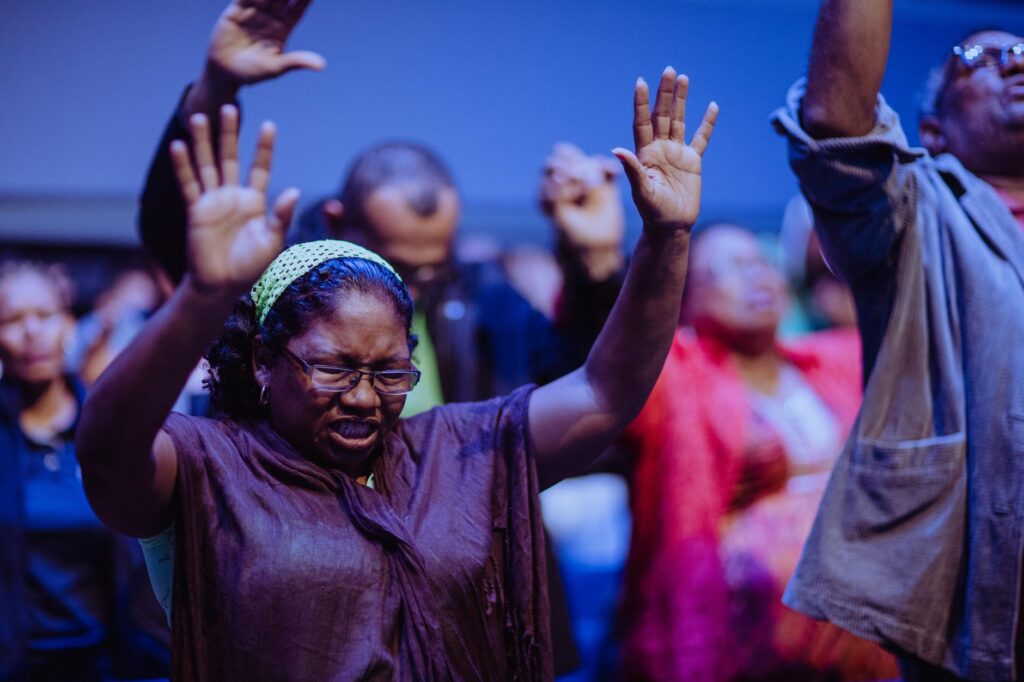
Consider the story of a woman named Sarah. She had struggled with addiction for years, feeling isolated and ashamed. After hitting rock bottom, she decided to visit a local church, seeking help and hope.
Upon entering, she was welcomed warmly. The pastor shared a message on grace, emphasizing that no sin is too great for God’s love. Sarah found herself in tears, realizing she was not alone in her struggles. The church community rallied around her, offering support through prayer, counseling, and accountability.
Over time, Sarah began to heal. She became involved in a small group that focused on recovery, where she could share her journey openly. The love and acceptance she experienced in the church transformed her life. She now serves as a mentor for others facing similar challenges, demonstrating how the church can truly be a hospital for sinners.
As members of the church, there are practical steps we can take to ensure our congregations function as hospitals for sinners. Here are some actionable ways to promote healing and support:

The church community acts as a bastion of support for individuals grappling with sin and its consequences. Romans 12:15 encourages believers to ‘Rejoice with those who rejoice, weep with those who weep.’ This shared emotional landscape fosters a sense of belonging and understanding, which is essential in the healing journey. When members of the church come together, they create an environment where individuals feel safe to share their struggles without fear of judgment.
Community also offers accountability, which can be vital in the healing process. In Galatians 6:1, Paul instructs the church to restore those caught in sin gently. This gentle restoration is made possible through the close relationships formed within the church, where members can hold each other accountable while also extending grace and forgiveness.
Small groups within the church can serve as a microcosm of the larger community’s healing environment. These intimate settings allow for deeper connections and more honest conversations. James 5:16 states, ‘Therefore confess your sins to one another and pray for one another, that you may be healed.’ In these smaller gatherings, individuals can experience vulnerability and authenticity, which are crucial for healing. The process of confessing and praying together can break down walls of isolation and shame.
Small groups can also create a platform for shared experiences, which leads to collective healing. When individuals share their battles with sin, others can reflect on their own struggles, fostering a sense of unity and shared purpose. This communal experience not only strengthens faith but also encourages individuals to seek God’s healing together.
Service to others can be a transformative element in the healing process. In Acts 20:35, it is stated, ‘It is more blessed to give than to receive.’ Engaging in acts of service allows individuals to step outside of their own struggles and focus on the needs of others. This shift in focus can help alleviate feelings of despair and foster a sense of purpose and fulfillment.
Moreover, serving others can open the door to healing through community outreach initiatives. When the church mobilizes to address the needs of its local community, it not only meets practical needs but also brings hope to those who may feel disconnected from God. This act of reaching out exemplifies the love of Christ and can serve as a powerful reminder of God’s grace at work.
Forgiveness is a central theme in the Christian faith and is essential for healing within the church. Ephesians 4:32 instructs believers to ‘Be kind to one another, tenderhearted, forgiving one another, as God in Christ forgave you.’ This divine model sets the standard for how we should interact with those who have wronged us. By understanding our own need for forgiveness, we can more readily extend that grace to others.
The act of forgiving others is not merely a suggestion but a command from Jesus himself. In Matthew 6:14-15, He emphasizes, ‘For if you forgive others their trespasses, your heavenly Father will also forgive you, but if you do not forgive others their trespasses, neither will your Father forgive your trespasses.’ This reciprocal relationship underscores the importance of forgiveness in maintaining a healthy church environment.
Forgiveness is often portrayed as a one-time event, but it is more accurately a journey. Individuals may find themselves wrestling with feelings of anger, hurt, or betrayal long after they have made the decision to forgive. In Colossians 3:13, believers are encouraged to ‘bear with one another and, if one has a complaint against another, forgive each other; as the Lord has forgiven you, so you also must forgive.’ This ongoing process requires time, patience, and prayer.
The church can facilitate this journey by creating spaces for dialogue and reflection on forgiveness. Workshops, sermons, and small group discussions can provide valuable insights and practical steps for those struggling to forgive. By actively engaging in this process, the church community can support each other in moving towards healing and restoration.
Once forgiveness has been granted, living in that forgiveness is vital. This means letting go of past grievances and choosing to see others through the lens of grace. Philippians 3:13-14 reminds us to ‘forget what lies behind and strain forward to what lies ahead.’ By doing so, we free ourselves from the burden of resentment, allowing God’s healing to take root in our lives.
Moreover, living in forgiveness can positively impact the wider church community. When members embody the principles of grace and mercy, the church becomes a beacon of hope and healing for those outside its walls. By demonstrating the transformative power of forgiveness, the church can draw others toward Christ, who is the ultimate source of healing.

Discipleship plays a crucial role in the healing journey within the church. Matthew 28:19-20, known as the Great Commission, calls believers to ‘go therefore and make disciples of all nations.’ This directive emphasizes the importance of mentorship and guidance in the lives of individuals struggling with sin. By walking alongside others, mature believers can provide support, encouragement, and wisdom.
Discipleship also involves teaching individuals how to apply biblical truths to their lives. When faced with struggles, knowing Scripture can be a powerful tool for healing. For example, Psalm 147:3 states, ‘He heals the brokenhearted and binds up their wounds.’ This truth can be a source of comfort for those in pain, reminding them of God’s unwavering love and care.
Accountability is another essential element of discipleship that aids in the healing process. In Proverbs 27:17, it is stated, ‘Iron sharpens iron, and one man sharpens another.’ When individuals hold each other accountable in their spiritual journeys, they encourage growth and transformation. This accountability can serve as a safeguard against falling back into old patterns of sin.
Moreover, accountability fosters an environment of trust and openness, which is vital for healing. When church members know they are being supported and encouraged in their efforts to grow, they are more likely to be vulnerable about their struggles. This vulnerability can lead to breakthroughs in healing and restoration.
To effectively disciple one another, the church must be equipped with the necessary tools and resources. Ephesians 4:11-12 highlights the importance of church leaders in equipping the saints for ministry. This equipping involves providing training, resources, and opportunities for members to grow in their faith and understanding of Scripture.
Additionally, creating a culture of discipleship within the church can encourage members to seek out mentorship and accountability. By promoting the value of spiritual growth and fostering relationships between mature believers and those seeking healing, the church can become a true hospital for sinners, where transformation and restoration are not only possible but expected.
The phrase means that the church is a place where individuals can seek healing, support, and forgiveness. It emphasizes that everyone is welcome, regardless of their past or struggles.
You can contribute by extending grace, providing support to those in need, and engaging in open conversations about struggles and healing within the community.
Yes, verses like Mark 2:17, Psalm 147:3, and 2 Corinthians 5:17 highlight the church’s role in offering healing and transformation to sinners.
Community provides encouragement, accountability, and shared experiences. It fosters connections that are vital for healing and spiritual growth.
The church is indeed a hospital for sinners, rooted in the teachings of Jesus and the heart of God. It is a place where grace, forgiveness, and restoration abound. As we engage with our church communities, let us remember the importance of extending love and support to one another, creating an environment where healing can thrive.
Weekly encouragement
Free Bible study guides, prayer help and a verse to carry through your week. No spam, unsubscribe anytime.



Join the conversation