Bible Weeds Verses: Lessons on Growth and Struggle
Explore Bible weeds verses and discover profound lessons on growth, struggle, and God's transformative grace in our lives.

Key Takeaways
- Weeds symbolize sin and distractions in life.
- Scripture teaches us about the importance of discernment.
- God's grace helps us overcome the weeds in our hearts.
- The process of spiritual growth involves both struggles and triumphs.
Throughout the Bible, nature serves as a powerful metaphor for spiritual truths. Among the various elements of nature mentioned, weeds stand out for their ability to represent distractions, sin, and the challenges we face in our spiritual journeys. Understanding the Bible’s perspective on weeds can offer us profound insights into our own lives, encouraging us to seek growth and transformation through Christ.
In exploring the topic of Bible weeds verses, we find that these passages often illustrate the struggle between good and evil, the importance of discernment, and God’s grace in helping us overcome our spiritual obstacles. Let’s delve deeper into these themes by examining several key scriptural references that involve weeds.
Weeds are not just a nuisance in gardens; they can symbolize various aspects of our lives that hinder our spiritual growth. By understanding these biblical references, we can learn how to navigate the weeds we encounter daily.
Understanding Weeds in Scripture
Weeds are often mentioned in relation to farming and gardening, which were vital aspects of life in biblical times. The presence of weeds in a garden can represent the presence of sin and distractions in our lives. Jesus spoke of weeds in several parables, illustrating the struggle between righteousness and sin.
In Matthew 13:24-30, Jesus tells the Parable of the Weeds. Here, He describes a farmer who sows good seed in his field, but while everyone is asleep, an enemy comes and sows weeds among the wheat. When the plants begin to grow, the servants notice the weeds and ask the farmer if they should pull them up. The farmer wisely replies that they should let both grow together until the harvest, lest pulling up the weeds also uproot the wheat. This parable teaches us about the coexistence of good and evil in our world.
Another significant reference is found in Galatians 6:7-8, where Paul writes, “Do not be deceived: God is not mocked, for whatever one sows, that will he also reap. For the one who sows to his own flesh will from the flesh reap corruption, but the one who sows to the Spirit will from the Spirit reap eternal life.” This verse emphasizes the consequences of our choices, highlighting that the seeds we plant, whether good or bad, will yield results in our lives.
The Symbolism of Weeds
Weeds symbolize various spiritual struggles that Christians face. They can represent sin, temptation, and the distractions that pull us away from God. Recognizing these symbols in Scripture allows us to better understand our own spiritual battles.
- Sin and Temptation: Just as weeds can choke out healthy plants, sin can hinder our spiritual growth. In Mark 4:18-19, Jesus explains the parable of the sower, stating, “And others are the ones sown among thorns. They are those who hear the word, but the cares of the world and the deceitfulness of riches and the desires for other things enter in and choke the word, and it proves unfruitful.” This illustrates how worldly distractions can prevent us from bearing fruit in our spiritual lives.
- Distraction: Weeds can also represent the distractions in our lives that keep us from focusing on God. In Luke 21:34, Jesus warns, “But watch yourselves lest your hearts be weighed down with dissipation and drunkenness and cares of this life, and that day come upon you suddenly like a trap.” This highlights the need for vigilance against the distractions that can take our focus away from our relationship with God.
- Spiritual Warfare: The presence of weeds signifies that we are in a constant battle against sin and evil. Ephesians 6:12 reminds us, “For we do not wrestle against flesh and blood, but against the rulers, against the authorities, against the cosmic powers over this present darkness, against the spiritual forces of evil in the heavenly places.” Recognizing this warfare is crucial for our spiritual growth.
The Role of Discernment
Discernment is vital in navigating the weeds in our lives. As Christians, we are called to be discerning about what influences us and how we respond to the challenges we encounter. The Bible provides us with guidance on how to develop this discernment.
In Proverbs 2:3-5, we are encouraged to seek wisdom and understanding: “Yes, if you call out for insight and raise your voice for understanding, if you seek it like silver and search for it as for hidden treasures, then you will understand the fear of the Lord and find the knowledge of God.” This passage emphasizes the importance of actively pursuing wisdom, which can help us differentiate between what is beneficial and what is harmful.
Furthermore, in Hebrews 5:14, we learn that “but solid food is for the mature, for those who have their powers of discernment trained by constant practice to distinguish good from evil.” This maturity comes from consistent study of Scripture and a relationship with God that cultivates our ability to discern the weeds from the wheat in our lives.
God’s Grace in Weeding Our Hearts
While the presence of weeds can be discouraging, it is essential to remember that God’s grace is sufficient for us. He is not only aware of the weeds in our lives but also desires to help us remove them.
In John 15:1-2, Jesus describes Himself as the true vine, stating, “Every branch in me that does not bear fruit he takes away, and every branch that does bear fruit he prunes, that it may bear more fruit.” This pruning process is God’s way of helping us grow stronger and healthier in our faith. It can be painful, but it is ultimately for our good.
Moreover, 1 John 1:9 assures us that “If we confess our sins, he is faithful and just to forgive us our sins and to cleanse us from all unrighteousness.” This promise reminds us that, even when we struggle with the weeds of sin, God is always ready to forgive and restore us when we turn to Him.
The Process of Spiritual Growth
Spiritual growth is an ongoing process that involves both challenges and victories. The presence of weeds in our lives can often serve as a catalyst for growth, pushing us to rely on God more fully.
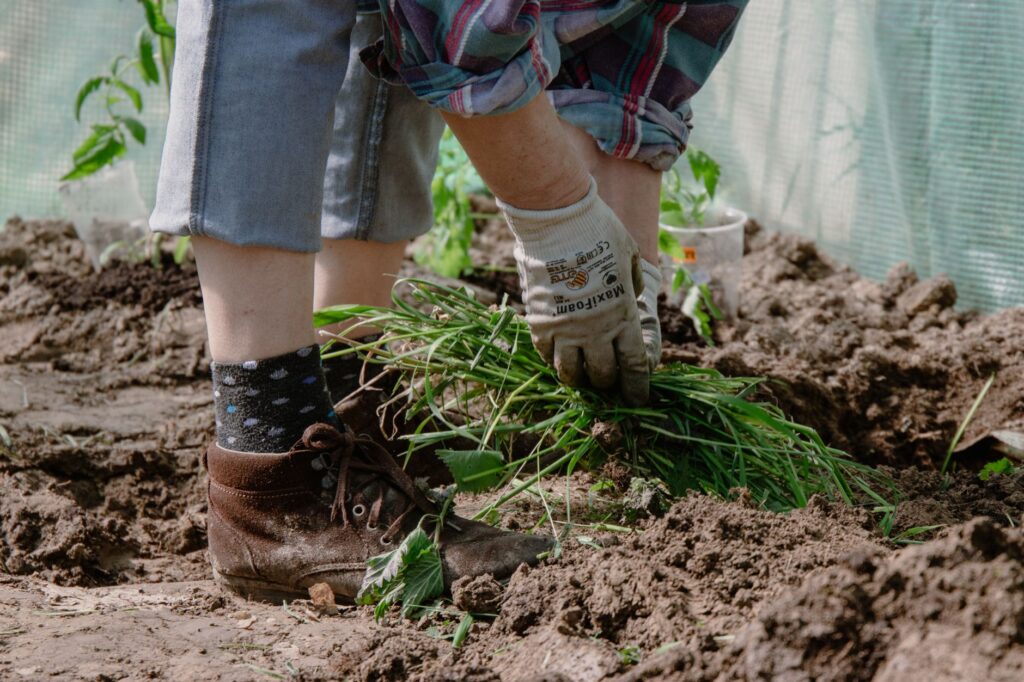
Consider the example of a gardener who faces a weed infestation. Initially, the sight of weeds can be disheartening. However, it is the gardener’s response to these weeds that determines the garden’s future. Instead of giving up, the gardener decides to pull out the weeds, apply mulch, and nurture the soil with nutrients. This process requires effort, patience, and a commitment to care for the garden.
In our spiritual lives, we too must engage in this proactive approach. James 1:2-4 encourages us, “Count it all joy, my brothers, when you meet trials of various kinds, for you know that the testing of your faith produces steadfastness. And let steadfastness have its full effect, that you may be perfect and complete, lacking in nothing.” This passage reminds us that spiritual growth often comes through trials, including our encounters with weeds.


Practical Steps for Dealing with Weeds
As we navigate the weeds in our lives, it’s helpful to have practical steps we can take. Here are some suggestions:
- Identify the Weeds: Take time to reflect on what distractions or sins are present in your life. Are there recurring patterns that hinder your spiritual growth? Journaling can be a helpful tool for this reflection.
- Seek God’s Guidance: Pray for clarity and wisdom. Ask God to reveal areas in your life that need attention and for the strength to address them. Proverbs 3:5-6 reminds us to trust in the Lord with all our hearts and lean not on our own understanding.
- Engage with Scripture: Regularly read and meditate on Scripture. This not only helps you identify weeds but also equips you with the truth to combat them. Psalm 119:11 states, “I have stored up your word in my heart, that I might not sin against you.”
- Accountability: Share your struggles with a trusted friend or mentor who can walk alongside you and provide encouragement. Ecclesiastes 4:9-10 highlights the strength found in companionship.
- Practice Forgiveness: If weeds of bitterness or resentment have taken root, seek to forgive those who have wronged you. Ephesians 4:32 urges us to be kind to one another, tenderhearted, forgiving one another, as God in Christ forgave you.
The Persistence of Weeds: Lessons in Patience
Recognizing the Long-term Battle
In our spiritual journeys, just as in gardening, we often face persistent struggles that mirror the tenacity of weeds. In Matthew 13:30, Jesus speaks about the wheat and the weeds growing together until the harvest, illustrating that we must remain patient in our spiritual walk. The journey of growth is rarely smooth. Just like weeds, temptations and distractions can linger long after we think we have dealt with them.
We need to acknowledge that spiritual growth can be a process filled with ups and downs. The Apostle Paul reminds us in Philippians 1:6 that God who began a good work in us will carry it on to completion. We must trust this process, even when the ‘weeds’ seem to overshadow our spiritual life.
- Recognize that spiritual struggles may recur.
- Learn to be patient with yourself as you navigate these challenges.
- Focus on the promise of God’s ongoing work in your life.
Embracing the Waiting Period
Waiting can be one of the most challenging aspects of the Christian life. In Isaiah 40:31, we are reminded that those who wait on the Lord will renew their strength. Patience is not merely about enduring; it is about trusting in God’s timing and plan. During this waiting period, we learn to rely on God’s strength rather than our own.
Just as weeds often flourish in the absence of care, we can also find ourselves growing in unexpected ways during times of waiting. God uses these moments to deepen our faith, reminding us that every season of our life serves a purpose. In James 1:2-4, we learn that trials produce perseverance, which leads to maturity.
- Use waiting periods as opportunities for prayer and reflection.
- Seek community support during times of struggle.
- Focus on spiritual disciplines to nourish your growth.


Weeding the Mind: The Battle for Thoughts
Identifying Negative Thought Patterns
Just as weeds can overtake a garden, negative thoughts can invade our minds and hinder spiritual growth. In 2 Corinthians 10:5, we are instructed to take every thought captive to make it obedient to Christ. This calls for vigilance in identifying thoughts that do not align with God’s truth. By recognizing weeds in our thought life, we can begin to uproot them before they take over.
Negative thought patterns can include doubt, fear, insecurity, and worldly comparisons. Addressing these weeds requires both awareness and action. The psalmist in Psalm 139:23-24 asks God to search his heart and reveal any anxious thoughts. This is a powerful prayer for anyone seeking to clear their minds of harmful distractions.
- Regularly evaluate your thoughts against Scripture.
- Practice gratitude to combat negativity.
- Engage in positive affirmations rooted in God’s promises.
Renewing the Mind through Scripture
In Romans 12:2, Paul encourages believers to be transformed by the renewing of their minds. This transformation is essential for tackling the weeds of unhealthy thoughts. Spending time in Scripture not only helps illuminate the truth but also reinforces our identity in Christ, which is crucial in the battle against negative thinking.
Engaging with God’s Word daily equips us with the tools needed to combat mental weeds. Memorizing verses, meditating on them, and applying them to our lives can significantly change our mindset. It reinforces our understanding of who we are in Christ, as stated in 2 Corinthians 5:17: Therefore, if anyone is in Christ, the new creation has come: The old has gone, the new is here!
- Set aside daily time for Bible reading.
- Memorize key verses that speak to your struggles.
- Join a Bible study group for deeper engagement.
Community as a Support System for Weeding
The Importance of Fellowship
God designed us for community. In Hebrews 10:24-25, we are urged not to neglect meeting together. Just as weeds can spread and affect an entire garden, isolation can lead to spiritual stagnation. Fellowship with other believers provides accountability and encouragement, essential for identifying and dealing with our spiritual weeds.
Sharing our struggles with trusted friends or a church community can bring healing and clarity. The Bible encourages us in Galatians 6:2 to bear one another’s burdens, which allows us to help each other in the weeding process. We can learn from one another’s experiences and gain insights into overcoming similar challenges.
- Participate in small groups or Bible studies.
- Seek mentorship from a mature Christian.
- Offer support to others as they navigate their struggles.
Serving Together to Uproot Weeds
Engaging in service alongside others can also help us focus outward and diminish our internal struggles. In Philippians 2:4, we are reminded to look not only to our interests but also to the interests of others. Serving together can create a sense of unity and purpose, which can significantly reduce feelings of isolation and despair.
Through acts of service, we not only help others but also experience personal growth. As we step outside ourselves, we can collectively work to uproot the weeds in our lives and in the community. This approach fosters a spirit of collaboration and love, echoing the commandment in John 13:34-35 to love one another.
- Find opportunities to serve within your church.
- Organize community outreach events.
- Encourage mutual support in service projects.
Frequently Asked Questions
What do weeds symbolize in the Bible?
Weeds in the Bible symbolize sin, distractions, and the challenges that hinder our spiritual growth. They illustrate the ongoing struggle between good and evil.
How can I discern the weeds in my life?
Discernment comes from prayer, studying Scripture, and seeking wise counsel. Regular reflection on your life and choices can help identify distractions or sins that need addressing.
Does God help us remove the weeds in our hearts?
Yes, God desires to help us remove the weeds in our hearts through His grace. He equips us with the strength to confront our struggles and grow closer to Him.
What are practical ways to deal with spiritual weeds?
Practical steps include identifying specific weeds, seeking God’s guidance, engaging with Scripture, finding accountability, and practicing forgiveness.
The Bottom Line
Bible weeds verses offer valuable lessons about the nature of sin, the importance of discernment, and the role of God’s grace in our lives. Recognizing the weeds that threaten our spiritual growth can lead to transformative change. As we lean on God’s strength and wisdom, we can navigate the challenges we face and cultivate a fruitful life in Him.
Keep reading
More Life Transformation →



Weekly encouragement
Grow in the Word, one email at a time.
Free Bible study guides, prayer help and a verse to carry through your week. No spam, unsubscribe anytime.
Join the conversation