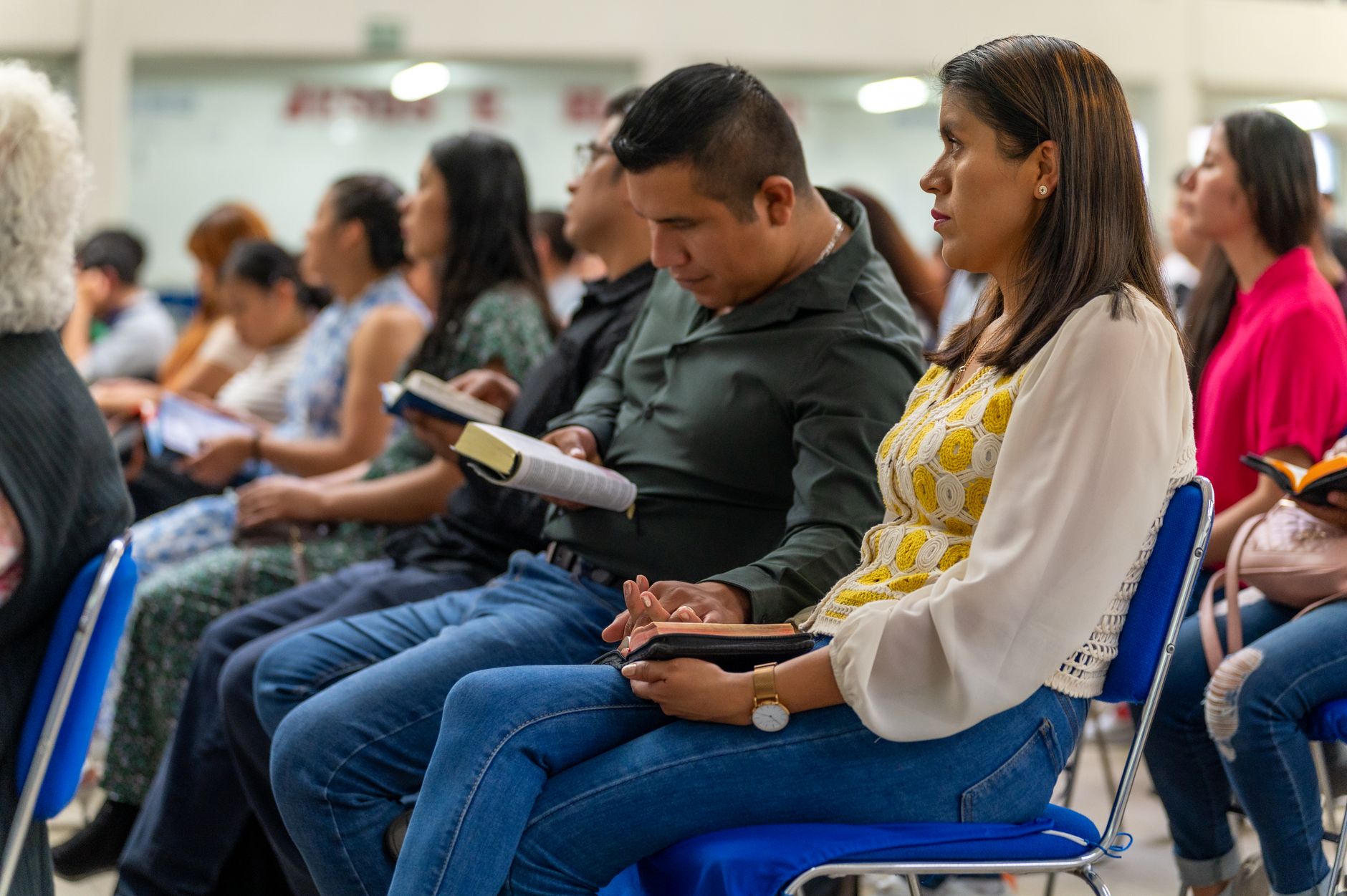
The Need for Community
Life is filled with challenges that can often feel overwhelming. Whether facing personal crises, health issues, financial difficulties, or emotional struggles, we might find ourselves in situations where we feel isolated and alone. However, the Bible provides us with clear guidance on the importance of community in overcoming these challenges. Throughout scripture, we see a consistent theme: we are better together.
Scriptural Foundations of Community
The Bible emphasizes the necessity of community for spiritual, emotional, and social well-being. In the Book of Ecclesiastes, we are reminded that two are better than one, for they have a good reward for their labor (Ecclesiastes 4:9). This verse highlights not only the practicality of having companions in our endeavors but also the support that can arise from close relationships. When we look out for one another, we multiply our strength and our ability to overcome obstacles.
Moreover, the New Testament reinforces this idea through the teachings of Jesus and the apostles. In John 13:34-35, Jesus commands us to love one another, stating that our love for each other will be the distinguishing mark of His disciples. This love manifests in tangible ways, within the community where members support one another through difficult times.
The Power of Bearing One Another’s Burdens
The Apostle Paul, in Galatians 6:2, instructs us to bear one another’s burdens, which fulfills the law of Christ. When we engage in community, we are called to share not only in our joys but also in our struggles. This sharing provides emotional relief and a tangible sense of support that is vital when we face life’s challenges. Knowing that others are praying for us and standing with us can provide significant comfort and strength.
In times of distress, whether it’s the loss of a loved one or job insecurity, reaching out to friends or community members can bring hope. It’s essential to recognize that vulnerability in sharing our challenges can open the door to deeper relationships and mutual growth. As stated in 1 Thessalonians 5:11, we should encourage one another and build one another up. Encouragement from fellow believers serves as a reminder of God’s faithfulness even in our darkest moments.
Unity and Resilience in Community
The strength of community lies in its unity. In 1 Corinthians 12:12-14, Paul illustrates how each member of the body of Christ plays a vital role. This analogy emphasizes that just as a body cannot function effectively if one part is hurting or missing, neither can the Christian community thrive if members are disengaged or isolated. Each individual contributes to the collective strength of the whole. When we support one another, we create a resilient network capable of overcoming shared challenges.
Church communities, small groups, and fellowship gatherings provide spaces where we can share our burdens and support each other’s spiritual growth. In Romans 12:10, Paul encourages us to love one another with brotherly affection and to outdo one another in showing honor. This atmosphere of mutual respect and honor fosters a sense of belonging that is crucial for building resilience in the face of trials.
Practical Steps to Build Community
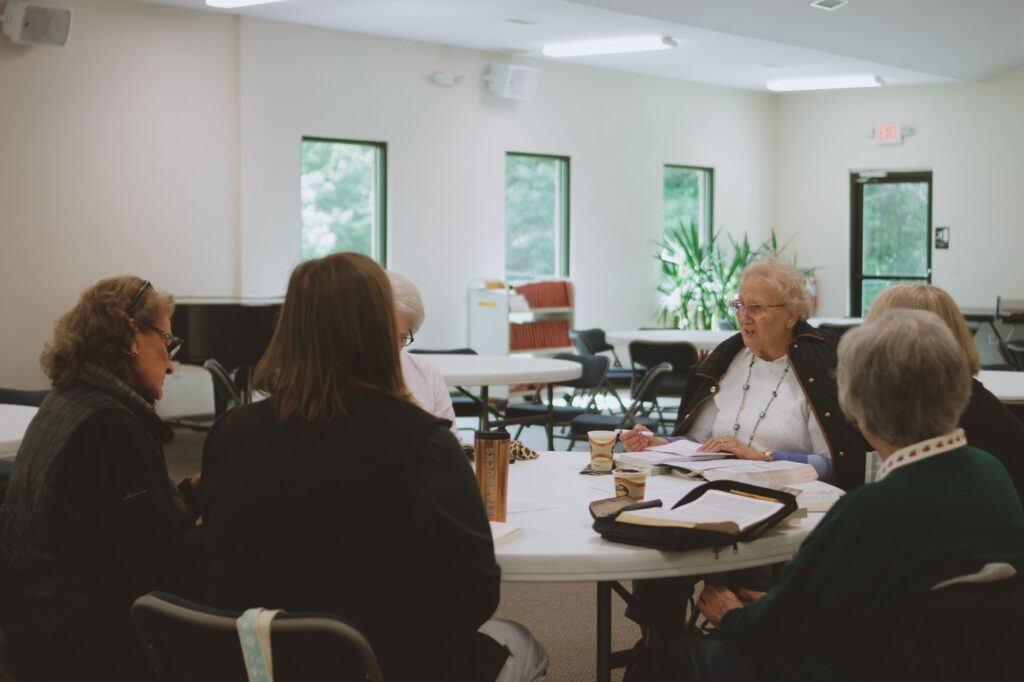
Building a supportive community takes intentionality and effort. Here are some practical steps to foster such relationships:
- Join a Small Group: Find or start a small group in your church or community where members can nurture honest conversations and prayer.
- Be Vulnerable: Offer your authentic self in conversations. Share your struggles so that others feel comfortable doing the same.
- Engage in Service: Volunteer together with your community to address needs in your area. Serving alongside one another builds unity and purpose.
- Pray Routine: Establish regular times of prayer for each other’s needs. As Paul wrote in Philippians 1:3-5, keeping one another in prayer strengthens the bond of fellowship.
These steps can help to nurture a community that is not only supportive but deeply rooted in the love of Christ, which empowers every member to overcome their challenges.
Conclusion: The Transformative Power of Community
In an age where individualism is often celebrated, we are reminded of the importance of community in our spiritual journeys. The Bible illustrates that we thrive not as independent entities but within the body of Christ, working together for the common good. Ecclesiastes 4:12 reminds us that a cord of three strands is not quickly broken. Together, we can weather life’s storms and find healing and hope in shared experiences.
As we embrace the gift of community, let us commit to supporting one another in love, praying for each other, and celebrating each step of faith we take together. Through Christ and the relationships we cultivate, we will find the strength to overcome any challenge life may bring our way.
Encouragement Through Testimonies
One powerful aspect of community is the sharing of personal testimonies. When individuals recount their struggles and the ways God has worked in their lives, it fosters hope and encouragement among the members. It serves as a reminder that while challenges are a part of life, God is continually present and at work. Revelation 12:11 highlights the power of testimony, stating, “And they have conquered him by the blood of the Lamb and by the word of their testimony.” – Revelation 12:11. Sharing our stories not only strengthens our faith but can also inspire others to trust God in their own circumstances.
The Role of Accountability in Community
Accountability is another important function of community. Engaging with others who share similar values can help us stay focused on our spiritual goals and commitments. Hebrews 10:24-25 encourages believers to “consider how to stir up one another to love and good works, not neglecting to meet together, as is the habit of some, but encouraging one another.” – Hebrews 10:24-25. This scripture underscores the necessity of regular fellowship, emphasizing that when we hold each other accountable, we can motivate one another towards growth and perseverance, particularly during tough times.
Networking for Practical Support
Community also serves a practical purpose in providing resources and assistance during times of need. As the early church demonstrated in Acts 2:44-45, “And all who believed were together and had all things in common. And they were selling their possessions and distributing the proceeds to all, as any had need.” – Acts 2:44-45. This spirit of generosity and shared resources can alleviate some of life’s burdens, allowing individuals to focus on healing and recovery, knowing they have a network to rely on. When we actively care for one another’s physical, emotional, and spiritual needs, we exemplify Christ’s love in action.
The Importance of Presence in Community
Being physically present in the lives of others is a crucial component of effective community support. In Romans 15:1, Paul encourages us, stating, “We who are strong have an obligation to bear with the failings of the weak and not to please ourselves.” – Romans 15:1. This illustrates a call to action that emphasizes not just emotional support, but also practical involvement in each other’s lives.
Whether it involves attending church services, participating in community events, or simply being available for a friend in need, our presence can provide significant comfort. Ecclesiastes 3:1 reminds us, “For everything, there is a season, and a time for every matter under heaven.” – Ecclesiastes 3:1. Being present during both the joyful and sorrowful seasons of life allows for a deeper connection and a stronger sense of unity within the community.
Cultivating a Culture of Prayer
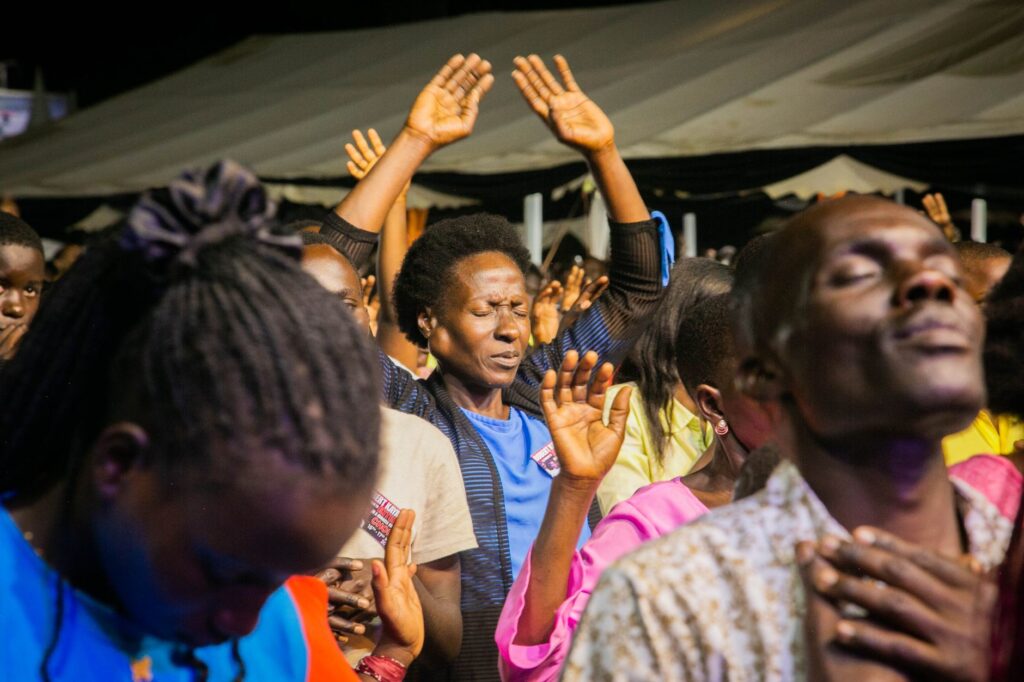
Prayer is an essential aspect of community life that binds members together in their faith journeys. James 5:16 states, “Therefore, confess your sins to one another and pray for one another, that you may be healed.” – James 5:16. This encouragement to pray for one another not only promotes individual healing but also fosters collective spiritual growth.
Furthermore, creating regular opportunities for communal prayer can transform relationships and deepen connections. As believers unite in prayer, they invite the presence of God into their circumstances, which can be incredibly empowering. Philippians 4:6-7 reminds us to “not be anxious about anything, but in everything by prayer and supplication with thanksgiving let your requests be made known to God.” – Philippians 4:6-7. Through prayer, we can collectively lay our worries before God, experiencing peace and encouragement through His transformative power.
The Gift of Fellowship in Times of Grief
In moments of grief and loss, the community plays a vital role in helping individuals navigate their pain. As we see in 2 Corinthians 1:3-4, “Blessed be the God and Father of our Lord Jesus Christ, the Father of mercies and God of all comfort, who comforts us in all our affliction, so that we may be able to comfort those who are in any affliction.” – 2 Corinthians 1:3-4. This verse underscores the importance of being present and offering comfort to those who are hurting.
Grieving is a deeply personal journey, and yet it can be made lighter through fellowship with others who understand. A community that offers compassion, prayers, meals, or simply a listening ear can significantly help someone cope with their loss. Romans 12:15 urges us to “Rejoice with those who rejoice, weep with those who weep.” – Romans 12:15, emphasizing the importance of sharing in both joy and sorrow, which is essential for healing and emotional well-being.
Key Takeaways
- Community is vital for emotional and spiritual support during trials.
- The Bible emphasizes the importance of gathering and sharing burdens.
- Unity in the body of Christ enhances our strength and resilience.
Try This Today
Reach out to a friend or a small group this week. Share a struggle you’re facing and offer support in return, fostering a deeper connection.
Frequently Asked Questions
What does the Bible say about community?
The Bible teaches that community is essential for spiritual growth and support, as seen in Hebrews 10:24-25.
How can I find a supportive community?
Consider joining a local church or small group that aligns with your values. Look for gatherings that emphasize mutual support and prayer.
What role does prayer play in community support?
Prayer strengthens community bonds, as exemplified in James 5:16, where believers are encouraged to pray for one another.
How can I support someone in my community facing challenges?
Offer your time, listen actively, and pray together. Galatians 6:2 reminds us to bear one another's burdens.
The Bottom Line
Community is a precious gift from God that helps us navigate life's storms. When we lean on one another, we experience the love and strength of Christ more profoundly.