
Overcoming Challenges and Trials
Bible Verses For Strength And Endurance: Finding Hope in Scripture
Nov 9, 2026 · 12 min read
Find Bible verses about admitting mistakes to embrace humility and foster personal and spiritual growth through confession and forgiveness.
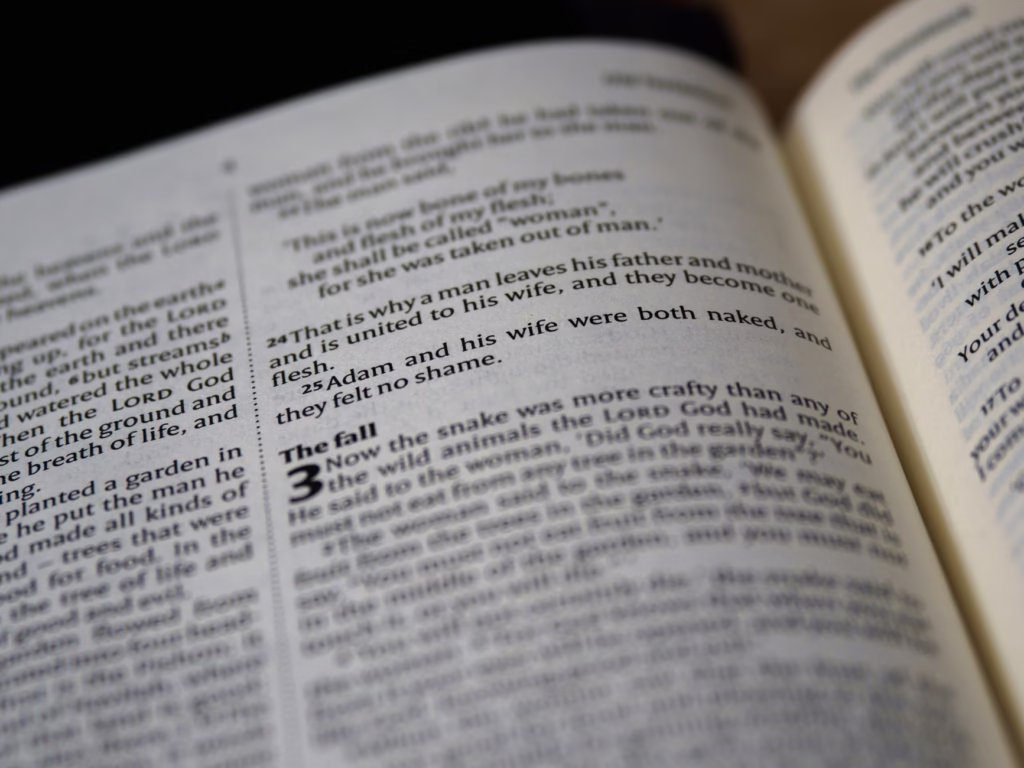
Short answer: Bible verses like Proverbs 28:13 and 1 John 1:9 encourage us to admit our mistakes, emphasizing the importance of confession for healing and forgiveness. Acknowledging faults fosters personal and spiritual growth, allowing us to experience God's grace and strengthen our relationships.
Admitting mistakes is a profound act of humility that reflects personal growth and spiritual maturity. In a world that often emphasizes perfection and success, confessing our faults can feel daunting. However, the Bible offers timeless wisdom that encourages us to embrace our imperfections and seek forgiveness and redemption. Let’s explore some key Bible verses about admitting mistakes and see how they guide us towards a life filled with humility, grace, and growth.
Before diving into the verses, it’s essential to understand why admitting our errors is crucial both spiritually and personally.
“He who conceals his transgressions will not prosper, but he who confesses and forsakes them will find compassion.”
This verse from Proverbs emphasizes the importance of confession in the journey towards compassion and spiritual prosperity. Concealing mistakes can lead to a stagnant life, while admitting them paves the way for forgiveness and growth. It highlights the belief that openness with our faults invites God’s grace and the mercy of others.
“Therefore, confess your sins to one another and pray for one another, so that you may be healed.”
James 5:16 underscores the healing power of confession. By sharing our mistakes with others, we not only relieve ourselves from the burden of guilt but also create a supportive environment for collective healing and prayer. This practice fosters a sense of togetherness and mutual support within the community.
“If we confess our sins, He is faithful and righteous to forgive us our sins and to cleanse us from all unrighteousness.”
This reassuring verse from 1 John highlights the promise of forgiveness that comes with confession. It reminds believers of God’s unwavering faithfulness and readiness to forgive, encouraging individuals to come forward with their imperfections and seek purification and righteousness.
Admitting mistakes can be a daunting task. Here are some practical steps inspired by biblical teachings to help you through the process:
Recognizing and admitting mistakes offers numerous benefits that go beyond personal and spiritual growth:
In the grand narrative of life, making mistakes is an inevitable part of being human. However, it’s what we do with those errors that define our path forward. The Bible offers profound insights into the grace of admitting mistakes, advocating for a life enriched with humility, forgiveness, and love. By taking ownership of our errors, we open the doors to healing, personal growth, and deeper relationships with others and with God.
As we journey through life’s challenges, let us remember these verses and embrace the strength it takes to admit our faults, knowing that in our vulnerability, we find the true essence of grace and transformation.
Begin by acknowledging your mistake with the Bible verse about admitting mistakes and taking responsibility. Approach those affected with a genuine confession and seek their forgiveness to rebuild trust.
Why is admitting mistakes important?
Admitting mistakes fosters personal growth, healing, and stronger relationships. It encourages humility and allows for spiritual renewal.
What does Proverbs 28:13 teach us?
Proverbs 28:13 emphasizes that concealing transgressions leads to struggles, while confessing and forsaking them brings compassion and growth.
How can I improve my ability to admit mistakes?
Start by reflecting on your actions and accepting responsibility. Practice genuine confession and seek forgiveness as a way to strengthen your relationships.
What is the role of confession in the Christian faith?
Confession is an essential step toward repentance in the Christian faith, facilitating healing, forgiveness, and a renewed relationship with God.
Embracing our mistakes is a pathway to grace and transformation. As we acknowledge our flaws, we not only grow closer to God but also to those around us. Remember, true strength lies in humility and the willingness to learn from our errors.
Weekly encouragement
Free Bible study guides, prayer help and a verse to carry through your week. No spam, unsubscribe anytime.

Join the conversation