The Hanging Gardens of Babylon are often hailed as one of the wonders of the ancient world, stirring curiosity and capturing imagination for centuries. While they are not directly mentioned numerous times in the Bible, the significance of Babylon and its grandeur can be reflected upon in Scripture. Understanding the cultural and historical context of Babylon, particularly as it relates to themes in the Bible, can provide valuable spiritual insights for believers today. This exploration is essential for Christians seeking deeper understanding of God’s Word while reflecting on the historical narrative that illuminates His eternal truths.
The Historical Context of Babylon
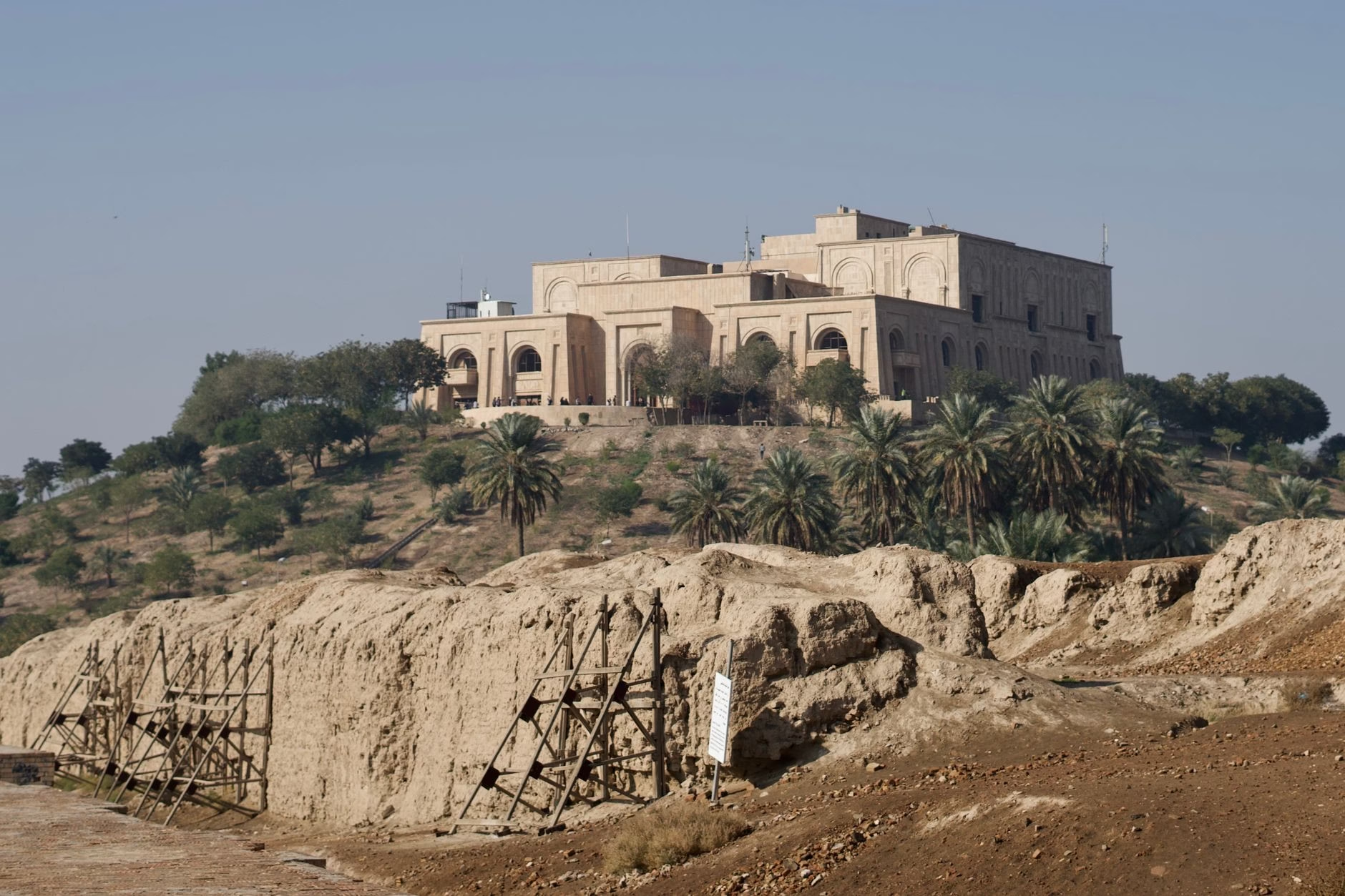
Babylon was a significant city in ancient Mesopotamia, best known for its impressive architecture and advancements in civilization. It was the capital of the Babylonian Empire and is mentioned throughout the Bible, particularly in connection with Israel’s history. The city symbolizes both human achievement and, at times, rebellion against God.
The Hanging Gardens, traditionally attributed to King Nebuchadnezzar II, are often viewed as a testament to human ingenuity and grandeur. Though there are no specific Biblical references to the gardens themselves, understanding their significance requires looking at how the Bible portrays Babylon, its people, and its kings.
Babylon in the Bible: A Symbol of Human Pride
The Tower of Babel
One of the earliest biblical accounts connected with Babylon is the story of the Tower of Babel found in Genesis 11:1-9. This narrative illustrates humanity's desire to reach the heavens and make a name for themselves through the construction of a city and a tower. Their pride and ambition led to God confusing their language and scattering them across the earth.
Related Posts:
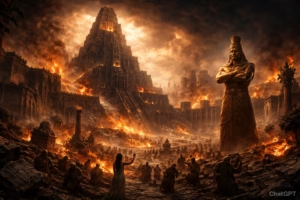



This story reminds us that while human creativity and innovation can yield incredible achievements, they can also lead to arrogance when they prioritize human glory over divine obedience. As Romans 12:3 teaches, we are called to exercise sober judgment of ourselves, acknowledging our gifts while recognizing their source in God.
Babylon as a Symbol of Oppression
In the Biblical narrative, Babylon often represents oppression and strife against God’s people. The mighty Babylonian Empire conquered Israel, leading to the exile of many Jews. Scriptures such as Psalm 137 express the sorrow of the Israelites as they lamented their captivity in Babylon, longing for their homeland and reflecting on God's faithfulness despite their circumstances.
As believers today, we are reminded that even in exile, separation, or feelings of oppression, God's presence remains with us. Isaiah 43:2 reassures us that when we walk through difficulties, God remains with us, sustaining us through challenging times.
Biblical Lessons from Babylon’s Grandeur
The Dangers of Materialism
The opulence of the Hanging Gardens symbolizes the allure of materialism. In our modern context, it reminds believers to be cautious of being enamored with worldly riches and achievements. Jesus teaches about this in Matthew 6:19-21, where He urges us to store up treasures in heaven rather than on earth.
As Christians, our focus should shift from earthly pleasures to eternal values. This requires discerning how we use our resources. Are we contributing to a cause that uplifts God’s kingdom and blesses others, or are we primarily concerned with our comforts?
humility">The Call to Humility
The grandeur of Babylon serves as a reminder of the need for humility. King Nebuchadnezzar, despite his great achievements, experienced the humbling effects of pride when God imposed a period of insanity upon him (Daniel 4). His eventual acknowledgment of God’s sovereignty reveals a crucial spiritual principle: true greatness comes from recognizing our rightful place under God’s authority.
Reflecting on Daniel 4:37, where Nebuchadnezzar praises the Most High and honors Him, we understand that acknowledging God's dominion leads to our restoration and true wisdom. As believers, we are called to cultivate humility and to submit our ambitions and accomplishments to God.
The Ultimate Restoration
Though the hanging gardens and the greatness of Babylon were ultimately transient, God’s promises endure forever. The prophets spoke of hope and restoration amid judgment. Jeremiah 29:11 offers reassurance of God’s plans to prosper His people, even in times of exile and struggle.
Furthermore, the vision of the new heaven and new earth in Revelation 21 reveals that God's ultimate design surpasses even the wonders of Babylon. God will create a place where we will dwell with Him forever in perfect harmony and joy.
Conclusion
While the Hanging Gardens of Babylon itself may not be directly referenced in Scripture, its cultural significance serves as a backdrop to vital biblical teachings. From the dangers of pride and materialism to the promise of restoration and hope, the history of Babylon highlights profound spiritual lessons.
As you reflect on God’s Word, remember that our greatest achievements should be rooted in humility, and our pursuits should aim for eternal significance rather than earthly acclaim. May we seek to glorify God in all we do, anchored in His promises and empowered by His grace, as we navigate the complexities of this world. Remember, no matter where you find yourself—whether in jubilation or in the depths of despair—God is with you, directing your path toward a fruitful and purposeful life.