VERSES ABOUT ALCOHOL IN THE BIBLE
Introduction
The subject of alcohol and its place in a Christian’s life has been debated for centuries. In many cultures, the consumption of wine or other alcoholic beverages is normal, and some believers wonder what the Bible truly teaches about it. For Christians who desire to live in obedience to God’s Word, this is an important topic that calls for wisdom, balance, and discernment.
The Bible does not completely prohibit the use of alcohol, but it strongly warns against drunkenness and the destructive consequences that often follow misuse. Scripture provides a balanced perspective that can guide believers in making God-honoring decisions about alcohol. In this article, we will explore several key Bible verses about alcohol, draw lessons from them, and consider how followers of Christ today can remain sober-minded and spiritually watchful.
Wine in the Old Testament
In the Old Testament, wine was often viewed as a symbol of joy, blessing, and abundance. Psalm 104:14-15 says, “He makes grass grow for the cattle, and plants for people to cultivate, bringing forth food from the earth: wine that gladdens human hearts, oil to make their faces shine, and bread that sustains their hearts.” This passage shows that wine was part of God’s provision and could be received with thankfulness.
Related Posts:
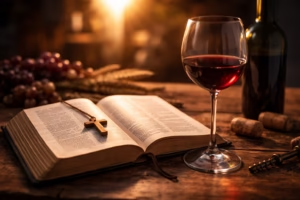


However, the same Scriptures also present warnings against the misuse of alcohol. Proverbs 20:1 declares, “Wine is a mocker and beer a brawler; whoever is led astray by them is not wise.” This verse reveals that while wine itself is not sinful, allowing it to control one’s behavior leads to foolishness and sin.
In the story of Noah, we see how drunkenness brought shame and division into a godly man’s family (Genesis 9:20–23). These accounts demonstrate that alcohol can either be received responsibly or abused to the point of harm. The lesson is clear: believers must approach this subject with caution and a heart surrendered to God.
Teachings of Jesus and the New Testament Perspective
In the New Testament, Jesus turned water into wine at the wedding in Cana (John 2:1–11). This event shows that wine was part of normal life in biblical times, and the miracle itself was an expression of joy and blessing. Yet Jesus never used this moment to promote excess or indulgence. Rather, everything He did reflected moderation, holiness, and purpose.
The apostle Paul offers direct guidance on the matter. In Ephesians 5:18, he writes, “Do not get drunk on wine, which leads to debauchery. Instead, be filled with the Spirit.” This verse contrasts the temporary influence of alcohol with the eternal filling of the Holy Spirit. Paul is not only warning against intoxication but also inviting believers to pursue the spiritual joy that comes from God, not from substances that cloud judgment and diminish self-control.
Paul’s instruction to Timothy in 1 Timothy 5:23 also provides insight. He says, “Stop drinking only water, and use a little wine because of your stomach and your frequent illnesses.” Here, wine is mentioned for medicinal purposes. This passage supports the idea that moderate or purposeful use of alcohol was accepted but always under careful control.
The Dangers of Drunkenness
Scripture repeatedly warns believers about the danger of losing self-control. Proverbs 23:29–33 gives a vivid description of the harmful effects of drunkenness, mentioning sorrow, strife, and confusion. The passage warns, “Your eyes will see strange sights and your mind will imagine confusing things.” The wisdom of Proverbs paints a picture of addiction and destruction that still applies today.
In Galatians 5:19–21, drunkenness is listed among the "acts of the flesh," along with other sins that keep people from inheriting the kingdom of God. This warning is severe but necessary, reminding us that spiritual vigilance and self-discipline are vital qualities of a Christ follower.
Drunkenness clouds our judgment, weakens our resistance to temptation, and separates us from clear fellowship with God. Believers are called to live alert and self-controlled lives, not to surrender their minds or actions to substances that influence their behavior.
Living a Spirit-Filled Life of Moderation
The Christian life is not about legalistic rules but about walking in wisdom and spiritual maturity. 1 Corinthians 10:23 reminds us, “Everything is permissible, but not everything is beneficial.” Even if drinking in moderation is not explicitly sinful, believers are asked to consider whether it benefits their spiritual growth and testimony to others.
For some Christians, complete abstinence is the best expression of devotion and witness. For others, moderate and responsible use may not violate conscience or Scripture. The crucial question is whether one’s choice glorifies God. Romans 14:21 advises, “It is better not to eat meat or drink wine or to do anything that will cause your brother or sister to fall.” This calls for love and sensitivity toward others who may struggle or be led into sin by another’s example.
Living a Spirit-filled life means seeking satisfaction and joy in the presence of God rather than depending on pleasure or substances. When we are filled with the Holy Spirit, we experience lasting joy, clarity, and peace that the world cannot provide.
Key Lessons
- Wine and other alcoholic drinks were part of biblical culture but were always meant to be used responsibly.
- The Bible warns strongly against drunkenness, foolish behavior, and loss of self-control.
- Followers of Christ are called to pursue moderation and avoid anything that harms their witness.
- The fruit of the Spirit, especially self-control, should govern every decision, including the use of alcohol.
- Before drinking, believers should consider whether it glorifies God and builds up others in faith.
- Spiritual fulfillment comes from the Holy Spirit, not from temporary pleasure or intoxication.
Conclusion
The Bible’s teaching about alcohol is not centered on strict prohibition but on godly wisdom, self-control, and love for others. Both the Old and New Testaments recognize that alcohol can be used responsibly, but they sternly warn against excess and drunkenness. Believers are instructed to remain sober-minded so that their thoughts, words, and actions are always guided by the Holy Spirit.
In a world that often celebrates indulgence, Christians are called to live differently. The key is not merely avoiding sin but pursuing holiness with a heart that honors God. Every choice, including the decision to drink or abstain, should reflect our devotion to Christ and our desire to be a light to others.
May our lives demonstrate the beauty of spiritual alertness, inner peace, and the unending joy that comes from walking in close fellowship with the Lord.
Further Reading
BIBLE VERSES ABOUT BLACK PEOPLE
BIBLE VERSES ABOUT LATENESS TO CHURCH
BIBLE VERSES ABOUT GOD PROTECTING US FROM OUR ENEMIES