
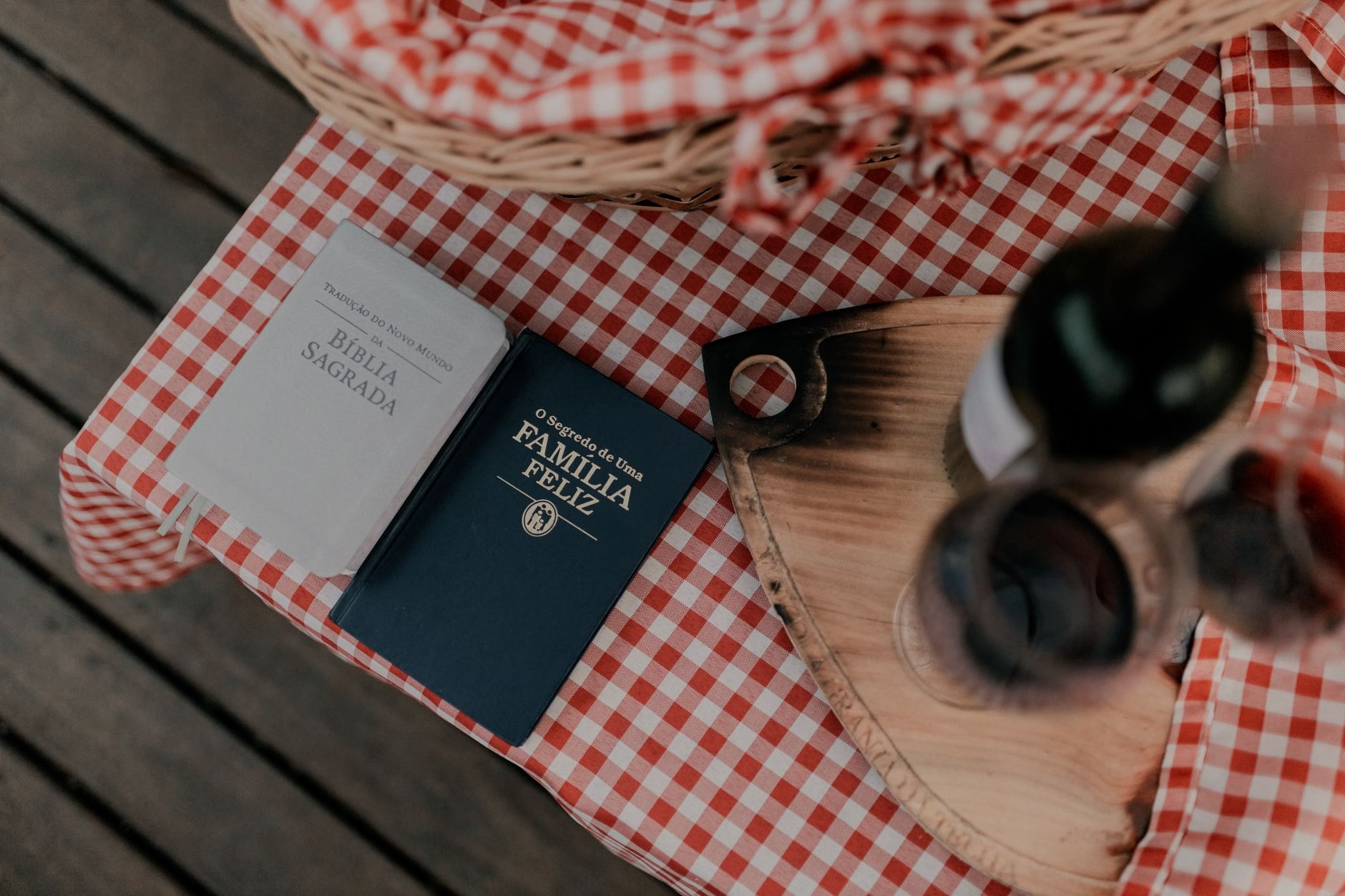
VERSES ABOUT WINE IN THE BIBLE
Introduction
Wine has been mentioned many times throughout Scripture, from Genesis to Revelation, and its significance has often raised questions among believers. Some view wine as a symbol of blessing and celebration, while others associate it with temptation and spiritual danger. In today’s Christian life, understanding what the Bible truly says about wine is vital. Believers often encounter differing opinions about whether drinking wine is permissible or sinful, and clarity is needed to approach this subject with wisdom and grace.
By exploring verses about wine in the Bible, we can gain a balanced and biblical perspective. Scripture provides both encouragement and caution, reminding us that moderation, self-control, and a pure heart must guide every choice. Let us look at what God’s Word teaches about wine, its purpose, and how we can apply these lessons in our walk with Him.
Wine as a Gift and Symbol of Blessing
The Bible acknowledges wine as one of the gifts that God has provided for human enjoyment and blessing. In Psalm 104:14-15, it says, “He makes grass grow for the cattle, and plants for people to cultivate, bringing forth food from the earth, wine that gladdens human hearts, oil to make their faces shine, and bread that sustains their hearts.” This verse reveals that wine was part of God’s provision in creation, serving both a practical and joyful purpose.
Related Posts:
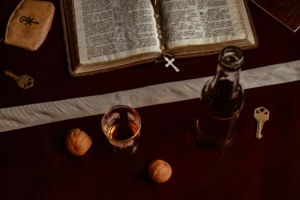
In the ancient world, wine was a common beverage, often safer to drink than water and used in various celebrations, such as weddings and harvest festivals. One of the most well-known examples is when Jesus turned water into wine at the wedding in Cana (John 2:1-11). This miracle demonstrated Jesus’ compassion and affirmed that celebration and joy have a rightful place in the lives of God’s people.
However, the symbolism extends beyond physical enjoyment. In Scripture, wine is also used to represent spiritual joy and the blessings that flow from God. The imagery of the “new wine” in the prophets often points to the coming of the Messiah and the abundance of God’s kingdom. Thus, wine is not inherently sinful but is to be received with gratitude and discernment.
Warnings and Cautions About Excess
Although wine is presented as a gift, the Bible also provides many warnings against its abuse. Wine can easily become a source of temptation and destruction when taken in excess. Proverbs 20:1 states, “Wine is a mocker, strong drink is raging, and whoever is deceived by it is not wise.” This verse highlights that while wine itself is not evil, its misuse leads to folly and moral downfall.
Another caution appears in Proverbs 23:29-32, describing the sorrow and woe of those who linger long over wine. The passage warns that it “bites like a serpent and poisons like a viper.” These powerful images remind us that indulgence can enslave the heart and cloud the mind, distancing us from God’s truth and wisdom.
Drunkenness is clearly condemned in both the Old and New Testaments. Ephesians 5:18 instructs, “Do not get drunk on wine, which leads to debauchery. Instead, be filled with the Spirit.” This contrast is critical. The believer must not seek temporary pleasure or escape through wine but should pursue lasting joy and strength through the presence of the Holy Spirit.
In essence, wine calls for self-control, which is one of the fruits of the Spirit listed in Galatians 5:22-23. When Christians walk in self-control, they honor God in all they consume, including wine.
The Role of Wine in Worship and Fellowship
Wine has also played an important role in worship throughout the Bible. In the Old Testament, wine was included in offering rituals as a sign of thanksgiving and devotion. Exodus 29:40 describes the daily burnt offering that included a grain offering and a drink offering of wine. This symbolized the dedication of one’s work and blessings back to God.
In the New Testament, wine takes on even deeper spiritual meaning during the Last Supper. Jesus took the cup and said, “This is my blood of the covenant, which is poured out for many for the forgiveness of sins” (Matthew 26:27-28). Here, wine became a powerful symbol of the new covenant established through His sacrifice.
In Christian communion today, wine or grape juice is used to represent the blood of Christ. Sharing in this cup reminds believers of redemption, forgiveness, and unity within the body of Christ. Therefore, while the physical drink may be simple, its spiritual significance is profound. It stands as a testimony of grace and sacrifice that redeemed humanity.
Practical Guidance for Believers Today
How then should Christians approach the matter of drinking wine in today’s world? The Bible does not issue a blanket prohibition but urges wisdom, moderation, and sensitivity to others. Paul reminds believers in Romans 14:21, “It is better not to eat meat or drink wine or to do anything else that will cause your brother to fall.” This means that even permissible actions must be guided by love and consideration for others.
Modern culture often associates drinking with excess or social escape, but the believer’s focus is different. Christians are called to be sober-minded, ready for prayer, and alert to the work of God. If drinking wine causes personal weakness or becomes a stumbling block to one’s faith or witness, it is wise to abstain. God honors choices that reflect purity and self-discipline.
Practical steps for faithful living include:
- Seeking God’s guidance before making choices about alcohol
- Avoiding any situation where indulgence could compromise witness or integrity
- Focusing on spiritual fullness rather than physical indulgence
- Respecting the conscience of others who choose differently
Key Lessons
- Wine in Scripture can represent joy, blessing, and celebration when enjoyed responsibly.
- Drunkenness is clearly condemned as sinful and destructive.
- Self-control and moderation are essential marks of a mature believer.
- The greatest joy comes not from physical wine but from the indwelling Holy Spirit.
- Christians should consider how their actions affect others and strive to live with love and integrity.
Conclusion
Verses about wine in the Bible reveal a balanced truth. Wine itself is not forbidden, and it can symbolize blessing, fellowship, and joy. Yet Scripture warns that it must never control or corrupt the believer’s heart. What matters most is not the beverage but the motive, the moderation, and the mindfulness behind it.
In every area of life, including the use of wine, God calls His people to live in holiness and responsibility. True satisfaction is not found in earthly pleasures but in the presence and power of the Holy Spirit. As you reflect on what the Bible teaches about wine, may your choices honor the Lord, guard your conscience, and express love toward others.
Further Reading
BIBLE VERSES ABOUT BLACK PEOPLE
BIBLE VERSES ABOUT LATENESS TO CHURCH
BIBLE VERSES ABOUT GOD PROTECTING US FROM OUR ENEMIES


