Worship: Meaning, Purpose, and Practice in Everyday Life
Worship is a word that carries deep spiritual, emotional, and cultural significance. Across religions, traditions, and personal beliefs, worship has been a central way human beings express reverence, gratitude, devotion, and connection to something greater than themselves. While often associated with religious gatherings, worship extends far beyond rituals or sacred spaces—it can shape how we live, relate, and find meaning in our daily lives.
In this blog post, we’ll explore what worship truly is, why it matters, and how it can be practiced in meaningful and life-giving ways.
What Is Worship?
At its core, worship is the act of honoring, revering, or giving worth to something regarded as sacred or supremely important. Traditionally, worship is directed toward God or a higher power, but its expression varies widely depending on faith, culture, and personal spirituality.
Worship can include:
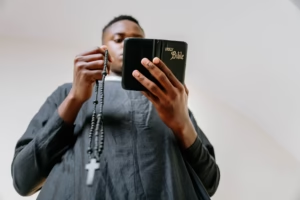

- Prayer and meditation
- Singing or music
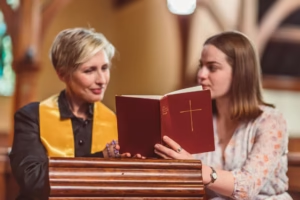
- Reading sacred texts
- Acts of service or charity
- Moments of silence and reflection
While external expressions differ, the heart of worship is inward—focused on humility, gratitude, and devotion.
The Purpose of Worship
Worship serves multiple purposes, both spiritual and practical. It is not just about tradition or obligation; it plays a vital role in personal growth and community life.
1. Connection and Relationship
Worship creates space for individuals to connect with the divine. It fosters:
- A sense of belonging
- Emotional and spiritual grounding
- Awareness of something greater than oneself
2. Transformation and Growth
Regular worship can shape character and perspective by encouraging:
- Reflection on values and beliefs
- Moral and ethical living
- Inner peace and resilience
3. Community and Unity
In many traditions, worship is communal. Gathering with others:
- Strengthens shared beliefs
- Builds supportive relationships
- Encourages collective hope and purpose
Different Forms of Worship
Worship is not one-size-fits-all. It can be expressed in diverse and meaningful ways, depending on individual personality, culture, and season of life.
Personal Worship
This is often quiet and reflective, such as:
- Personal prayer or meditation
- Journaling spiritual thoughts
- Spending time in nature
Corporate or Communal Worship
Common in religious settings, this includes:
- Congregational singing
- Group prayer
- Sermons or teachings
Worship Through Action
Many believe worship is not only what we say but what we do. Examples include:
- Helping those in need
- Practicing kindness and forgiveness
- Living with integrity and compassion
Worship in Everyday Life
One of the most powerful ideas about worship is that it doesn’t have to be limited to specific times or places. Everyday actions can become acts of worship when done with intention and gratitude.
You can integrate worship into daily life by:
- Approaching work with purpose and excellence
- Expressing gratitude regularly
- Serving others selflessly
- Practicing mindfulness and presence
When life itself becomes an offering, worship feels less like a routine and more like a way of being.
Why Worship Still Matters Today
In a fast-paced, often distracted world, worship provides a pause—a moment to realign priorities and find meaning beyond productivity and success. It encourages reflection over reaction, purpose over pressure, and faith over fear.
Worship reminds us:
- We are not alone
- Life has deeper meaning
- Values matter as much as achievements
Conclusion: A Living Expression of Devotion
Worship is far more than a ritual or religious obligation—it is a living, breathing expression of devotion, gratitude, and purpose. Whether practiced in a sacred space, a quiet moment alone, or through everyday actions, worship has the power to transform hearts and lives.
By understanding worship not just as something we do, but as a posture we live by, we open ourselves to deeper connection, lasting peace, and a more meaningful way of engaging with the world. In the end, worship is about recognizing what truly matters—and choosing to honor it with our lives.