understanding-bible-verses-about-alcohol">Understanding Bible Verses About Alcohol
Throughout history, alcohol has been a prominent and often controversial topic discussed among believers. From social gatherings to religious ceremonies, alcohol consumption frequently warrants reflection and discourse, especially when viewed through the lens of the Bible. As Christians seek to align their lives with biblical teachings, understanding what Scripture says about alcohol is essential. This blog post delves into key Bible verses on alcohol, offering insights to guide believers on this complex topic while remaining true to their faith principles.
The Bible’s Perspective on Alcohol
The Bible does not outright condemn the consumption of alcohol. Instead, it offers guidance on moderation, wisdom, and self-control. The scriptures provide instances where drinking wine was a part of daily life and religious practices, as well as warnings against excessive consumption and its pitfalls.
Wine in Biblical Celebrations
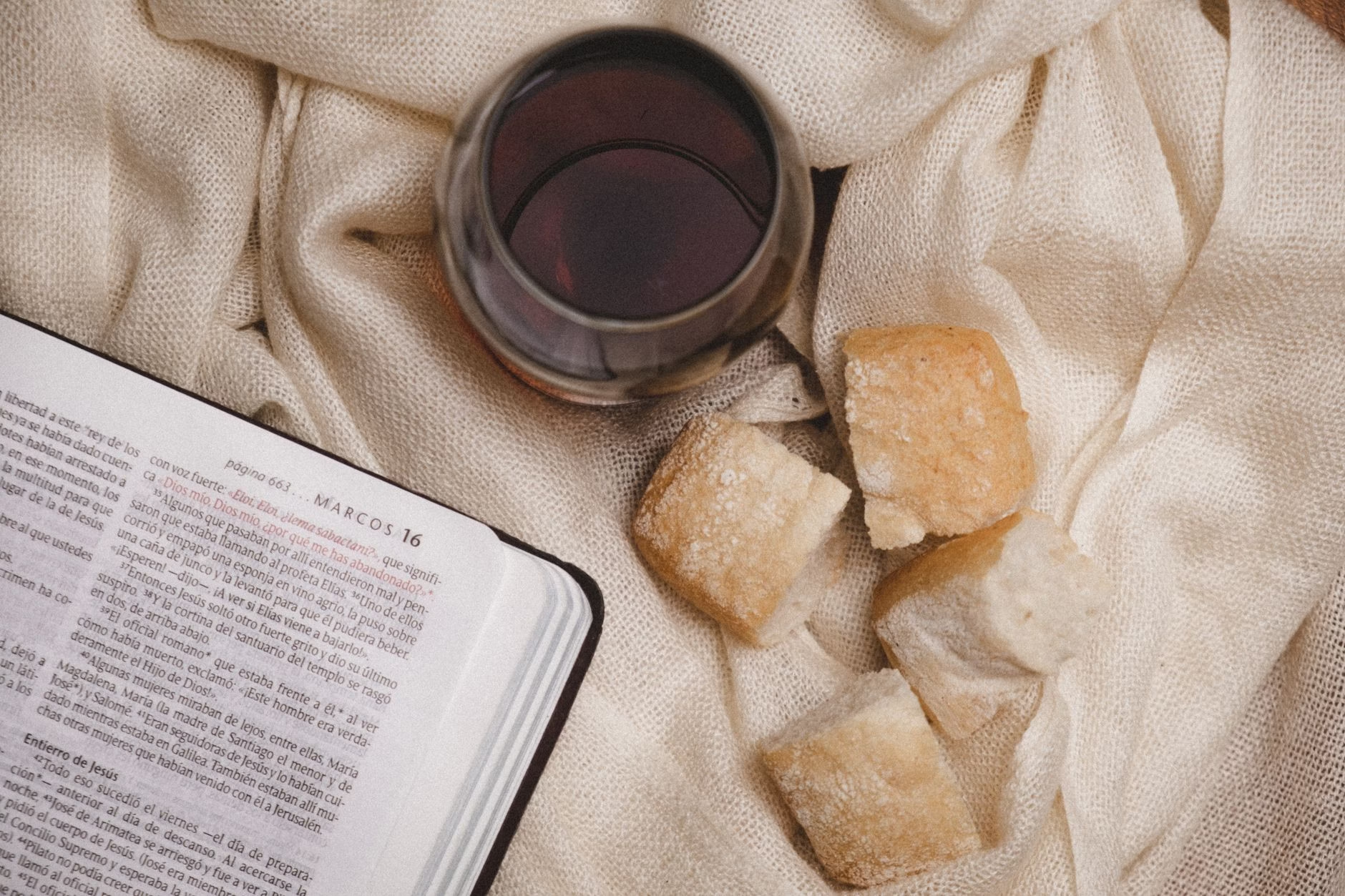
The Bible frequently references wine as a symbol of joy and celebration. Here are some notable instances:
Psalm 104:14-15 suggests that wine is a gift from God, stating, "He makes grass grow for the cattle, and plants for people to cultivate—bringing forth food from the earth: wine that gladdens human hearts."
John 2:1-11 describes Jesus’ first miracle at the wedding at Cana where he turned water into wine, demonstrating the appropriateness of wine in celebration.


These examples illustrate that alcohol, particularly wine, has a rightful place in enjoying life's festivities when consumed responsibly.
Warnings Against Drunkenness
Conversely, the Bible clearly warns against the dangers of excessive drinking:
Proverbs 20:1 says, "Wine is a mocker, strong drink a brawler, and whoever is led astray by it is not wise." This verse underscores how the misuse of alcohol can lead to harmful behavior and poor judgment.
Ephesians 5:18 provides a direct admonition: "Do not get drunk on wine, which leads to debauchery. Instead, be filled with the Spirit."
These scriptures remind us that while alcohol is permissible, losing control due to intoxication is a significant concern and is discouraged.
Alcohol, Moderation, and the Christian Lifestyle
Approaching alcohol from a biblical perspective requires a balanced view that prioritizes moderation and personal responsibility. Here are practical ways believers can thoughtfully integrate these principles into their lives:
Embrace Moderation and Mindfulness
1 Timothy 5:23 offers an example of moderation, as the apostle Paul advises Timothy, "Stop drinking only water, and use a little wine because of your stomach and your frequent illnesses." This insight reveals the potential health benefits when consumed judiciously.
Adopt mindfulness techniques to stay conscious of your consumption levels during social settings, such as pacing yourself and setting personal limits.
Exercise Self-Control
Remember the fruits of the Spirit in Galatians 5:22-23, which include self-control. This verse can guide believers in their decision-making process and encourage responsible behavior.
Consider accountability partnerships, where friends or community members can provide support and encouragement to maintain healthy habits.
Alcohol’s Impact on Community and Relationships
The consumption of alcohol can significantly influence personal relationships and community dynamics within the Christian faith. Here, understanding and empathy can play a crucial role:
Setting a Good Example
Romans 14:21 advises, "It is better not to eat meat or drink wine or do anything else that will cause your brother or sister to fall." Being mindful of others’ struggles with alcohol can foster supportive environments.
Lead by example when engaging in activities involving alcohol, advocating for respect, and caring for others’ boundaries and preferences.
Fostering Positive Community Standards
Churches and small groups can form discussions about alcohol use, grounded in Scriptural teachings, to clarify shared beliefs and individual practices.
Organize alcohol-free events to ensure everyone feels included and supported, promoting unity and mutual respect.
Conclusion: A Biblical Approach to Alcohol
In conclusion, the Bible offers a balanced guide for how Christians should approach alcohol. It encourages celebration while advocating for moderation, wisdom, and self-control. By drawing on the teachings of Scripture, believers can make informed decisions that align with their faith and foster healthy relationships with both alcohol and their communities.
Choosing a Christ-centered approach to alcohol consumption means being intentional in our actions, considering the impact on others, and embodying the principles of love and self-discipline. Whether you abstain entirely or partake in moderation, aligning your choices with biblical teachings will undoubtedly reflect the core values of Christian living.
By respectfully engaging with one another and seeking guidance through prayer and reflection, Christians can navigate the world of alcohol with grace and integrity.