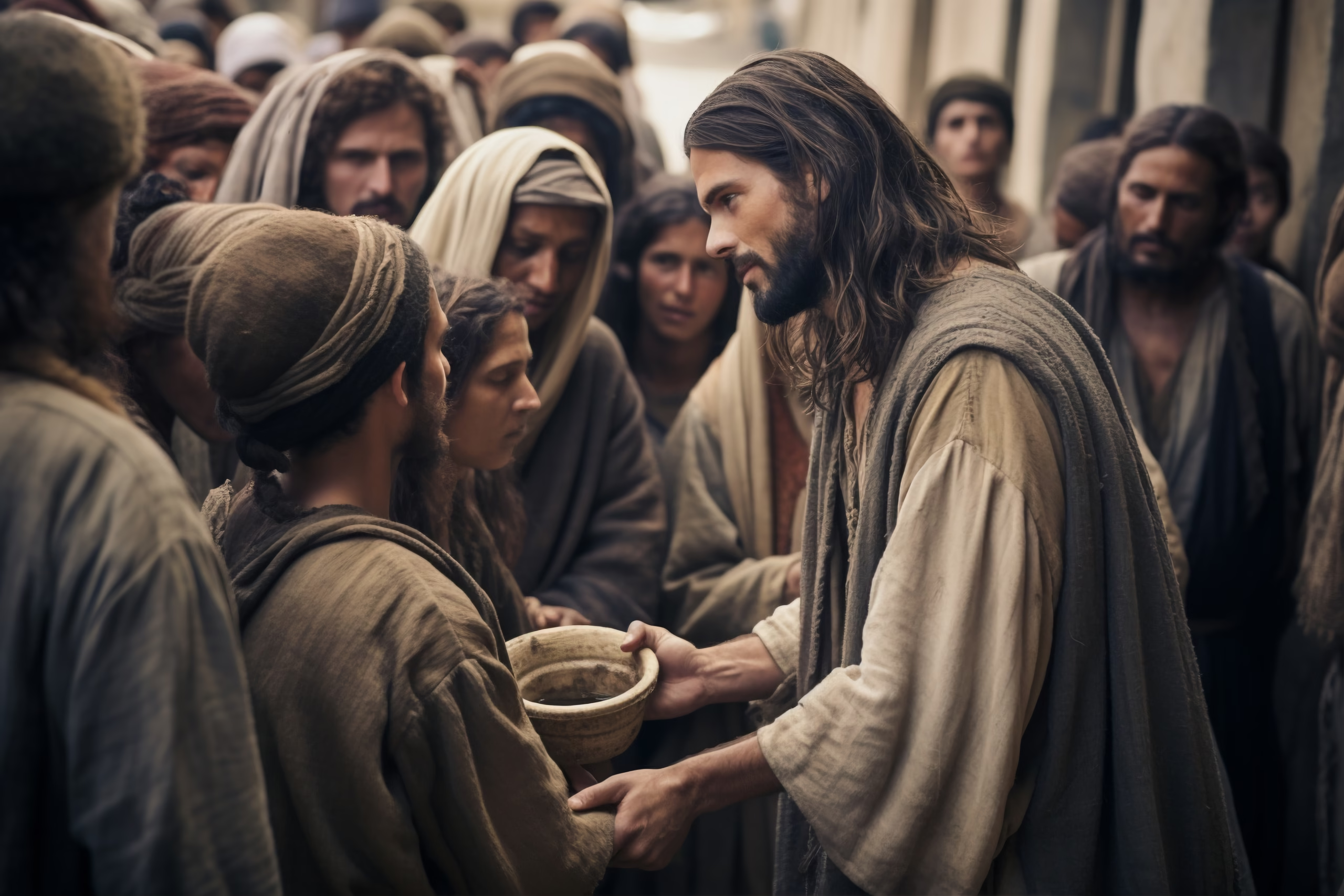
The Bible’s Truth About Jesus Christ: Unveiling The Divine Narrative
In the quest for truth, many are drawn to the enigmatic and profound life of Jesus Christ. As a central figure in Christianity, Jesus’ life and teachings have inspired countless individuals across the world. To truly understand Jesus, one must delve into the rich tapestry of texts found in the Holy Bible. In this blog post, we explore the truth about Jesus Christ as presented in biblical scripture, shedding light on His life, mission, and enduring legacy.
The Birth of Jesus: A Fulfillment of Prophecy
The birth of Jesus is often heralded as the fulfillment of ancient prophecies found throughout Old Testament texts. His miraculous conception marks a pivotal moment in religious history:
- Virgin Birth: According to the Gospel of Matthew (Matthew 1:18-23), Jesus was born to the Virgin Mary, fulfilling the prophecy of Isaiah that a virgin would give birth to Emmanuel, meaning “God with us” (Isaiah 7:14).
- Bethlehem: Jesus’ birth in Bethlehem fulfills another prophecy stated in the Book of Micah (Micah 5:2). This small town becomes the backdrop for the beginning of a journey that would reshape spiritual understanding.
Jesus’ Ministry: Teachings and Miracles
Throughout His ministry, Jesus traveled extensively, spreading His message of love, forgiveness, and salvation. Here are key aspects of His ministry:
Related Posts:




- Parables and Teachings: Jesus communicated profound truths through simple parables, making them accessible to all. Stories such as the Good Samaritan and the Prodigal Son encapsulate His teachings on compassion and forgiveness (Luke 10:25-37, Luke 15:11-32).
- Miracles: The Gospels recount numerous miracles performed by Jesus, from turning water into wine at the wedding in Cana (John 2:1-11) to healing the sick and raising the dead. These acts demonstrated His divine authority and compassion.
The Passion: Sacrifice and Redemption
The crucifixion and resurrection of Jesus Christ stand at the core of Christian doctrine. These events are seen as the ultimate sacrifice for humanity’s sins and a promise of redemption:
- Crucifixion: Jesus’ death on the cross is described as an atoning sacrifice, fulfilling the Old Testament’s foreshadowing of a suffering servant (Isaiah 53). Through His death, Christians believe, humanity gains reconciliation with God.
- Resurrection: The resurrection is perhaps the most defining event in Jesus’ narrative. Accounts in all four Gospels (Matthew 28:1-10, Mark 16:1-8, Luke 24:1-12, John 20:1-18) detail how Jesus rose from the dead, signifying the defeat of sin and death.
The Ascension and The Promise of Return
After His resurrection, Jesus’ ascension into heaven marks another important chapter in the biblical account. It signifies His divine nature and points toward the future fulfillment of His promises:
- Ascension: Jesus’ ascension is documented in the Book of Acts (Acts 1:9-11), where He ascends into heaven in the sight of His disciples, symbolizing the full restoration of His glory and majesty.
- Promise of Return: Before His departure, Jesus promises to return, a central hope in Christian eschatology (Revelation 22:12-13). This promise encourages believers to live purposefully, knowing the culmination of history will bring ultimate fulfillment and renewal.
Conclusion: Embracing the Truth About Jesus
The biblical narrative of Jesus Christ offers a compelling account of a life that transcends time and culture. His message of love, sacrifice, and hope continues to resonate today, inspiring billions. Whether viewed through a lens of faith or as a historical study, the truth about Jesus, as presented in the Bible, reminds us of our shared humanity and the eternal quest for meaning and redemption.
Understanding these core elements of Jesus’ life and teachings helps us reflect on their relevance in our own lives. As we continue to explore and embrace these truths, we find not only a richer understanding of the past but a guiding light for the future.
In exploring the Bible’s truth about Jesus Christ, we invite both believers and seekers to ponder deeper, live more intentionally, and engage with the enduring legacy of one of history’s most pivotal figures.