
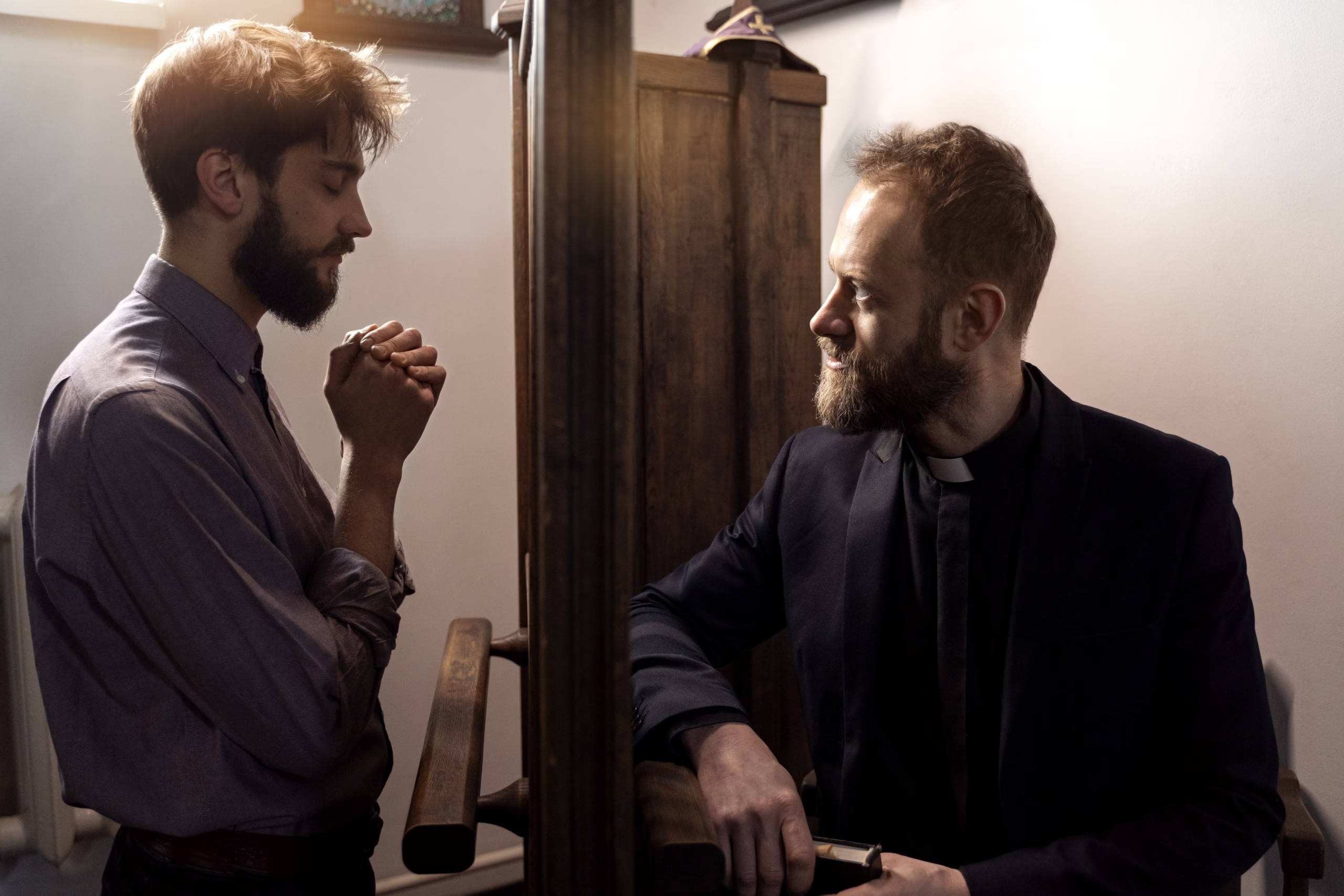
The Man is the Priest of His Home: A Biblical Perspective
In today’s fast-paced world, where roles and responsibilities are constantly evolving, the notion of the man as the “priest” of his home might seem antiquated to some. However, this concept is deeply rooted in biblical teachings and holds significant meaning for many families striving to uphold faith and spiritual guidance as central aspects of their home life. In this blog post, we will explore what it means for a man to be the priest of his family, backed by biblical verses, and how this role can positively impact modern family dynamics.
Understanding the Role of the Priest in the Home
The symbolism of the priest extends beyond mere religious duties. It encompasses providing spiritual guidance, protection, and leading by example. Here are some fundamental aspects of this sacred role:
Spiritual Leadership and Influence
- Biblical Foundation: Ephesians 5:23 says, “For the husband is the head of the wife even as Christ is the head of the church: and he is the savior of the body.” This passage highlights the responsibility bestowed upon men to lead their families with love and righteousness, similar to Christ’s leadership of the church.
- Daily Devotions: Men are encouraged to engage with scripture regularly, fostering a deep understanding of God’s word to guide their family in faith. This can involve leading family prayers, Bible reading sessions, or discussing spiritual matters with their partner and kids.
Providing Protection and Support
- Emotional and Spiritual Safety: A key element of being a priest involves creating an environment where family members feel secure to express their faith and doubts. Proverbs 14:26 states, “In the fear of the Lord is strong confidence, and his children shall have a place of refuge.”
- Guardianship: Part of the priestly role is to guard against negative influences and guide the family towards what is virtuous and righteous. This involves making decisions aligned with Christian morals and values.
Leading by Example
- Modeling Christ-like Behavior: As the spiritual guide, emulating Christ’s compassion, humility, and love is crucial. Philippians 2:3-4 reminds us, “Do nothing from selfish ambition or conceit, but in humility count others more significant than yourselves.”
- Moral Integrity: Upholding honesty, faithfulness, and integrity in all aspects of life serves as a powerful demonstration of faith in action to family members.
Implementing the Role in Modern Times
Despite the ancient origins of this role, its application is ever-relevant. Here’s how men can embrace their role as the priest of their home today:
Building Stronger Family Bonds
- Unified Faith Practice: Create traditions that integrate faith into the fabric of daily life, such as Sunday worship, prayer before meals, or participating in community service as a family.
- Open Communication: Regular discussions about spiritual beliefs and ethical dilemmas are vital in nurturing an open-minded and faith-centered household.
Balancing Modern Challenges
- Adapting to Change: While maintaining core values, it’s essential to adapt to the changing family landscape, acknowledging and respecting the evolving role of women and recognizing them as equal partners in spiritual matters.
- Technology and Faith: Use technology to your advantage by accessing online sermons, Bible apps, and podcasts to support spiritual growth and education within the family.
Conclusion: Embracing the Sacred Role
The concept of the man as the priest of his home continues to resonate because it emphasizes a commitment to spiritual leadership and a profound sense of responsibility. By understanding and embracing this role, men can foster a nurturing and faith-filled environment, ultimately strengthening the family unit.
While the challenges of modern life might complicate traditional roles, the foundational values remain timeless. By leading with love, wisdom, and faith, men can truly reflect the biblical ideals of being the priest of the home, guiding their families in a path that is fulfilling and spiritually enriching.
In embracing this role, families are not only preserving a sacred tradition but also paving the way for a future grounded in spiritual integrity and love.
