
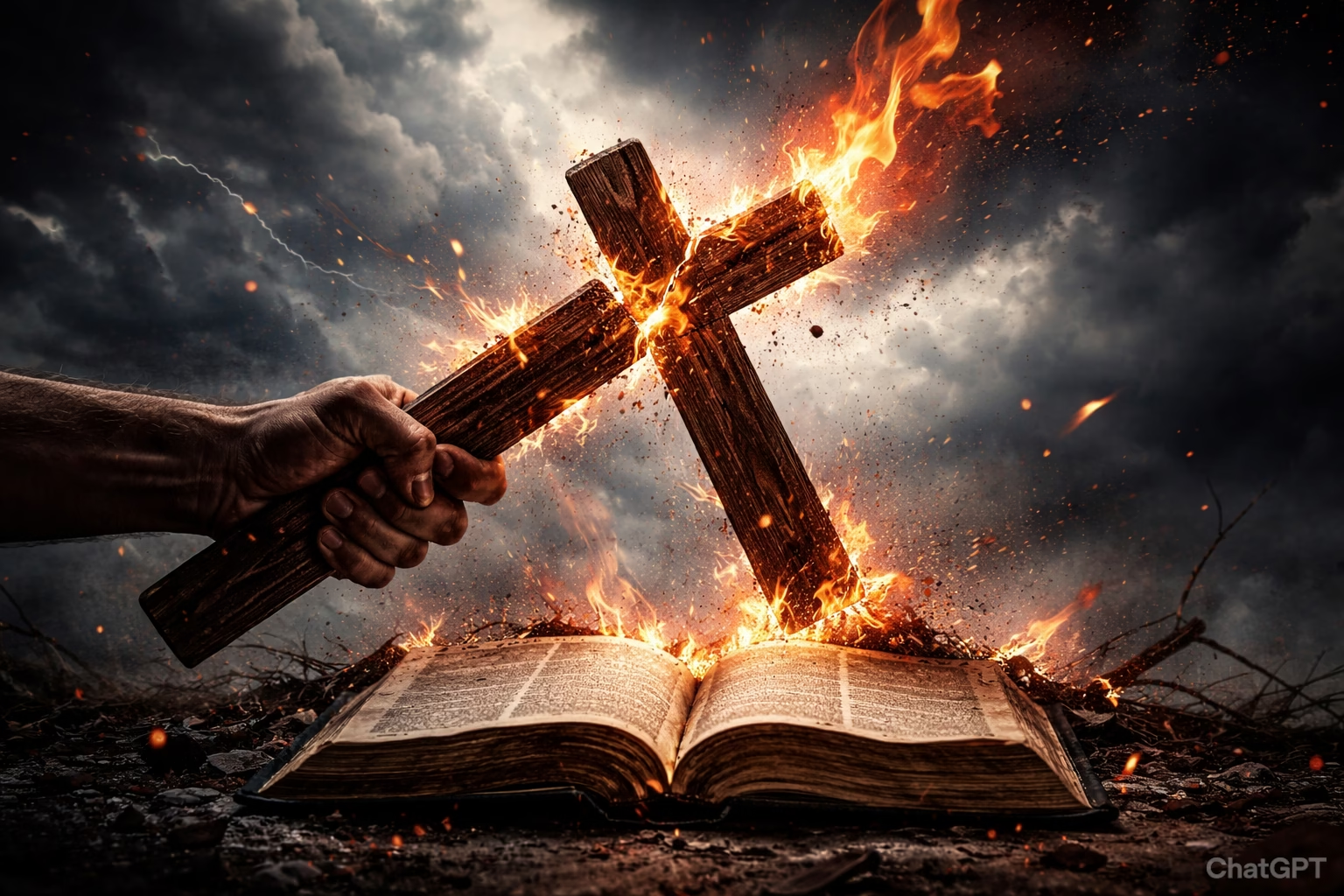
Blasphemy: Meaning, History, and the Ongoing Global Debate
Blasphemy is a word that carries significant emotional, cultural, and political weight. For some, it represents a deeply offensive act against sacred beliefs; for others, it raises critical questions about freedom of expression and human rights. Across history and around the world, blasphemy has sparked debates, conflicts, legal reforms, and philosophical discussions that continue to shape modern societies.
In this post, we’ll explore what blasphemy means, how it has been viewed historically, how different countries approach it today, and why the topic remains so relevant in the modern era.
What Is Blasphemy?
At its core, blasphemy refers to speech, actions, or expressions that show disrespect or contempt toward what is considered sacred—typically religious deities, beliefs, texts, or symbols.
While definitions vary across cultures and religions, blasphemy generally includes:
- Speaking irreverently about God or deities
- Mocking religious doctrines or rituals
- Defacing or misusing sacred texts or symbols
- Artistic or verbal expressions perceived as insulting to religious beliefs
What qualifies as blasphemy often depends heavily on cultural norms, religious traditions, and legal frameworks.
A Brief History of Blasphemy
Blasphemy laws and concepts are not new. They have been part of human societies for centuries.
Historical Perspectives
- Ancient civilizations often treated blasphemy as a crime against both religion and the state.
- Medieval Europe enforced strict blasphemy laws tied closely to Christianity.
- Colonial-era laws exported blasphemy statutes to many parts of Asia, Africa, and the Middle East.
In earlier times, blasphemy was often seen as a threat to social order, not just individual belief. Punishments ranged from fines and imprisonment to exile or even death.
Blasphemy Laws Around the World Today
Today, blasphemy laws vary widely from one country to another.
Countries with Strict Blasphemy Laws
Some nations enforce blasphemy laws vigorously, with severe penalties that may include long prison sentences. These laws are often tied to dominant religious traditions and are justified as necessary for maintaining social harmony.
Countries That Have Repealed Blasphemy Laws
In contrast, many countries have abolished blasphemy laws altogether, citing concerns over:
- Freedom of speech
- Freedom of religion
- Misuse of laws to silence dissent or minorities
Examples include several European nations that repealed blasphemy laws in favor of broader hate speech or public order legislation.
Blasphemy vs. Free Speech
One of the most complex aspects of blasphemy is its relationship with freedom of expression.
Key Tensions
- Protection of beliefs vs. protection of people
- Religious respect vs. open dialogue and critique
- Social harmony vs. individual rights
Critics of blasphemy laws argue that they often protect ideas rather than people and can be weaponized against religious minorities, journalists, and activists. Supporters, however, believe such laws help prevent incitement, hatred, and social unrest.
Blasphemy in Art, Media, and Culture
Blasphemy debates frequently emerge in creative and digital spaces:
- Satirical cartoons and comedy
- Films, novels, and visual art
- Social media posts and online commentary
These incidents often reignite questions about intent, context, and audience. Is something meant to provoke thought, criticize institutions, or intentionally offend? The answers are rarely simple and often deeply contested.
Why the Conversation Around Blasphemy Still Matters
In an increasingly interconnected world, ideas cross borders faster than ever. A statement made in one country can spark outrage in another within minutes. This reality makes understanding blasphemy—and the perspectives surrounding it—more important than ever.
Ongoing discussions about blasphemy touch on:
- Human rights and legal reform
- Interfaith understanding and dialogue
- Responsible expression in a digital age
Conclusion: A Delicate and Necessary Dialogue
Blasphemy sits at the crossroads of belief, law, culture, and free expression. While there is no universal definition or solution, thoughtful discussion and mutual respect are essential. Understanding different perspectives does not require agreement—but it does encourage empathy and informed dialogue.
As societies continue to evolve, the challenge lies in balancing respect for religious beliefs with the fundamental freedoms that allow ideas, creativity, and critical thinking to flourish. In many ways, how we approach the topic of blasphemy reflects how we handle diversity itself: with care, openness, and a commitment to peaceful coexistence.
If you found this exploration helpful, consider continuing the conversation by learning about freedom of expression, religious studies, or comparative law to better understand this complex and deeply human issue.
