
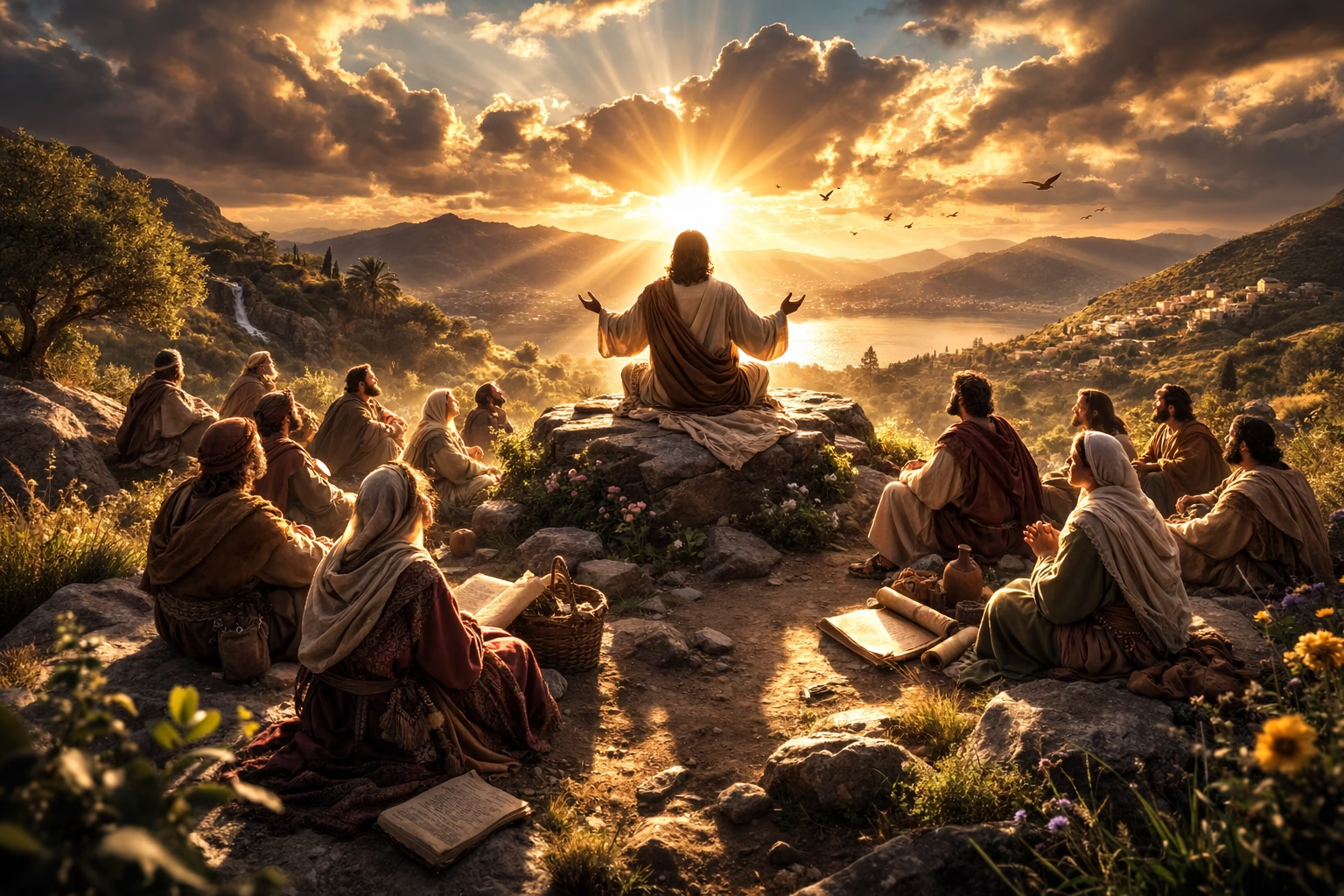
The Beatitudes: A Timeless Guide to a Meaningful Life
The Beatitudes are among the most well-known and deeply cherished teachings of Jesus. Found in the Gospel of Matthew (5:3–12) as part of the Sermon on the Mount, these statements outline a set of values that, at first glance, may seem countercultural—uplifting humility, mercy, and peacemaking over power, wealth, and status. Yet, for centuries, the Beatitudes have offered wisdom, comfort, and direction to people seeking a purposeful, spiritually grounded life.
In this article, we’ll explore what the Beatitudes are, break down their meaning, and examine why they remain powerfully relevant today.
What Are the Beatitudes?
The word Beatitude comes from the Latin beatus, meaning “blessed” or “happy.” Each Beatitude begins with this word, followed by a description of a person or attitude, and concludes with a promise.
At their core, the Beatitudes describe:
- God’s vision of true fulfillment
- The attitudes and character traits that lead to spiritual flourishing
- A reversal of worldly expectations about success and happiness
Rather than focusing on material gain or social standing, the Beatitudes highlight inner transformation and dependence on God.
The Eight Beatitudes Explained
Let’s take a closer look at each Beatitude and what it teaches.
1. Blessed Are the Poor in Spirit
“For theirs is the kingdom of heaven.”
Being “poor in spirit” means recognizing our need for God. It reflects humility, not weakness.
Key takeaway: Spiritual growth begins with humility and openness.
2. Blessed Are Those Who Mourn
“For they shall be comforted.”
This refers not only to personal grief but also sorrow over injustice, sin, and brokenness in the world.
Key takeaway: God meets us with comfort when we acknowledge pain rather than ignore it.
3. Blessed Are the Meek
“For they shall inherit the earth.”
Meekness is not passivity—it is strength under control. It involves patience, gentleness, and trust in God’s timing.
Key takeaway: True strength is expressed through self-control and grace.
4. Blessed Are Those Who Hunger and Thirst for Righteousness
“For they shall be satisfied.”
This Beatitude speaks to a deep desire to live rightly and see justice flourish.
Key takeaway: A sincere pursuit of righteousness leads to wholeness and fulfillment.
5. Blessed Are the Merciful
“For they shall obtain mercy.”
Mercy involves forgiveness, compassion, and kindness toward others, especially when it’s undeserved.
Key takeaway: When we show mercy, we reflect God’s character and receive it in return.
6. Blessed Are the Pure in Heart
“For they shall see God.”
Purity of heart means sincerity, integrity, and undivided devotion.
Key takeaway: An undistracted heart opens the way to deeper spiritual awareness.
7. Blessed Are the Peacemakers
“For they shall be called children of God.”
Peacemakers actively work to reconcile relationships and bring harmony, not merely avoid conflict.
Key takeaway: Creating peace is a divine calling, not a passive trait.
8. Blessed Are Those Who Are Persecuted for Righteousness’ Sake
“For theirs is the kingdom of heaven.”
This Beatitude reminds us that living according to godly values may invite criticism or hardship.
Key takeaway: Faithfulness, even in difficulty, carries eternal significance.
Why the Beatitudes Still Matter Today
In a world driven by competition, self-promotion, and instant gratification, the Beatitudes offer a radically different vision of success.
They encourage us to:
- Value character over status
- Choose compassion over judgment
- Pursue peace over winning arguments
- Find hope even in suffering
These teachings resonate not only in religious contexts but in everyday life—relationships, leadership, mental health, and community building.
Applying the Beatitudes in Daily Life
The Beatitudes aren’t just ideals to admire—they’re principles to practice. Consider these practical applications:
- Practice humility by listening more than speaking
- Show mercy through forgiveness and empathy
- Be a peacemaker in tense situations
- Stand firm in integrity, even when it’s unpopular
Small, consistent choices can transform how we live and relate to others.
Conclusion: Living the Blessing
The Beatitudes offer more than poetic wisdom—they provide a roadmap for a deeply fulfilling life. They challenge us to rethink what it means to be “blessed” and invite us into a way of living marked by humility, mercy, and love.
Whether you approach them through faith, philosophy, or curiosity, the Beatitudes remain a timeless guide—calling us to live with purpose, compassion, and hope in a complex world.
