
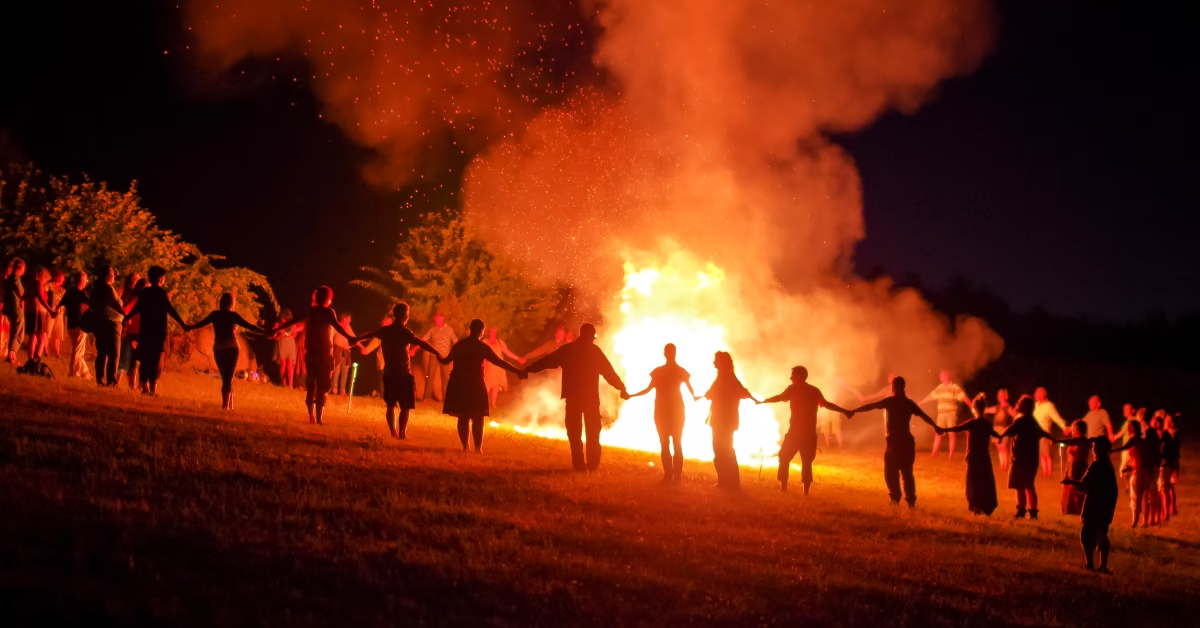
Bible Verses About Pagan Holidays: A KJV Perspective
As the calendar year cycles through its seasons, various holidays emerge reflecting cultural and religious practices from around the world. Amidst the celebrations, it’s essential to discern the origins and meanings behind certain holidays, especially when these traditions intersect with biblical teachings. In this blog post, we’ll explore Bible verses about pagan holidays through the lens of the King James Version (KJV), helping you understand how these scriptures speak to the subject of absorption of pagan customs into modern celebrations.
Understanding Pagan Holidays
Pagan holidays have their roots in ancient practices, primarily among polytheistic religions. These celebrations often involve rituals to honor various deities, marking the changing seasons and agricultural events. However, as Christianity spread throughout the Roman Empire and beyond, some of these pagan customs were absorbed into Christian traditions.
The Risks of Syncretism
Syncretism is the blending of different religious beliefs and practices. While it can lead to a more inclusive approach, it can also dilute the core tenets of faith. The Bible cautions against adopting practices that conflict with the worship of the One True God.
Key Bible Verses Addressing Pagan Practices
1. Deuteronomy 12:29-31 (KJV)
“When the LORD thy God shall cut off the nations from before thee, whither thou goest to possess them, and thou succeedest them, and dwellest in their land; Take heed to thyself that thou be not snared by following them, after that they be destroyed from before thee; and that thou inquire not after their gods, saying, How did these nations serve their gods? even so will I do likewise. Thou shalt not do so unto the LORD thy God: for every abomination to the LORD, which he hateth, have they done unto their gods; for even their sons and their daughters they have burnt in the fire to their gods.”
This scripture warns against mimicking the rituals of pagan nations. It calls for vigilance to maintain the sanctity of one’s worship and direct allegiance to God without outside influences.
2. Jeremiah 10:2-3 (KJV)
“Thus saith the LORD, Learn not the way of the heathen, and be not dismayed at the signs of heaven; for the heathen are dismayed at them. For the customs of the people are vain: for one cutteth a tree out of the forest, the work of the hands of the workman, with the axe.”
This verse criticizes the customs of the heathen, illustrating that many practices stem from vain traditions. It serves as a reminder to evaluate the origins of our holiday celebrations.
3. 2 Corinthians 6:14-17 (KJV)
“Be ye not unequally yoked together with unbelievers: for what fellowship hath righteousness with unrighteousness? and what communion hath light with darkness? And what concord hath Christ with Belial? or what part hath he that believeth with an infidel? And what agreement hath the temple of God with idols? for ye are the temple of the living God; as God hath said, I will dwell in them, and walk in them; and I will be their God, and they shall be my people. Wherefore come out from among them, and be ye separate, saith the Lord, and touch not the unclean thing; and I will receive you.”
This passage stresses the importance of separation from idol worship and pagan influences, urging believers to create a clear distinction in their faith and practices.
Evaluating Modern Christmas and Easter Celebrations
Many contemporary holidays, such as Christmas and Easter, have roots intertwined with pagan traditions. Here’s a closer look:
- Christmas: The celebration of Christ’s birth does not have a direct biblical basis but was set on December 25 to coincide with pagan festivals like Saturnalia and the winter solstice. Evaluating its celebration should consider the historical significance versus pagan associations.
- Easter: Named after the pagan goddess Ēostre, who symbolizes spring and renewal, Easter’s customs—such as egg decorating and the Easter bunny—often overshadow its Christian significance focused on Jesus’s resurrection.
Tips for Celebrating Intentionally
If you choose to engage in these holidays, consider the following guidelines to maintain a biblical focus:
- Educate Yourself: Research the origins of each holiday and discern its implications on your faith.
- Focus on the Scriptures: Center your celebrations on biblical teachings and narratives.
- Create New Traditions: Incorporate faith-based activities that reinforce Christian values.
Conclusion
In an ever-evolving cultural landscape filled with diverse traditions, recognizing and evaluating pagan influences within holidays is vital for Christians seeking to honor God. The Bible provides clear guidance through various verses, reminding believers to maintain purity in their worship. As we participate in holiday celebrations, let’s prioritize our commitment to Christ, discerning each tradition’s roots and embracing those that reflect God’s glory.
By remaining vigilant and informed through scripture, we can celebrate joyfully—honoring both our faith and our heritage while keeping pagan associations at bay. Engaging with our holidays as informed Christians leads not only to spiritual growth but also deepens our understanding of the faith we profess.
