
Bible Verses About LGBT: Understanding Scripture with Context and Compassion
The conversation around Bible verses about LGBT is one of the most discussed and debated topics in modern Christianity. Many believers and seekers alike wrestle with questions about what the Bible truly says regarding homosexuality and gender identity. Some approach the topic looking for clarity, others for reassurance, and many for healing.
In this post, we’ll explore key Bible passages often referenced in discussions about LGBT topics, examine their historical and cultural context, and consider the broader biblical themes of love, grace, and truth. Whether you’re studying for personal understanding or spiritual growth, this guide aims to inform thoughtfully and respectfully.
Understanding the Context: Why Interpretation Matters
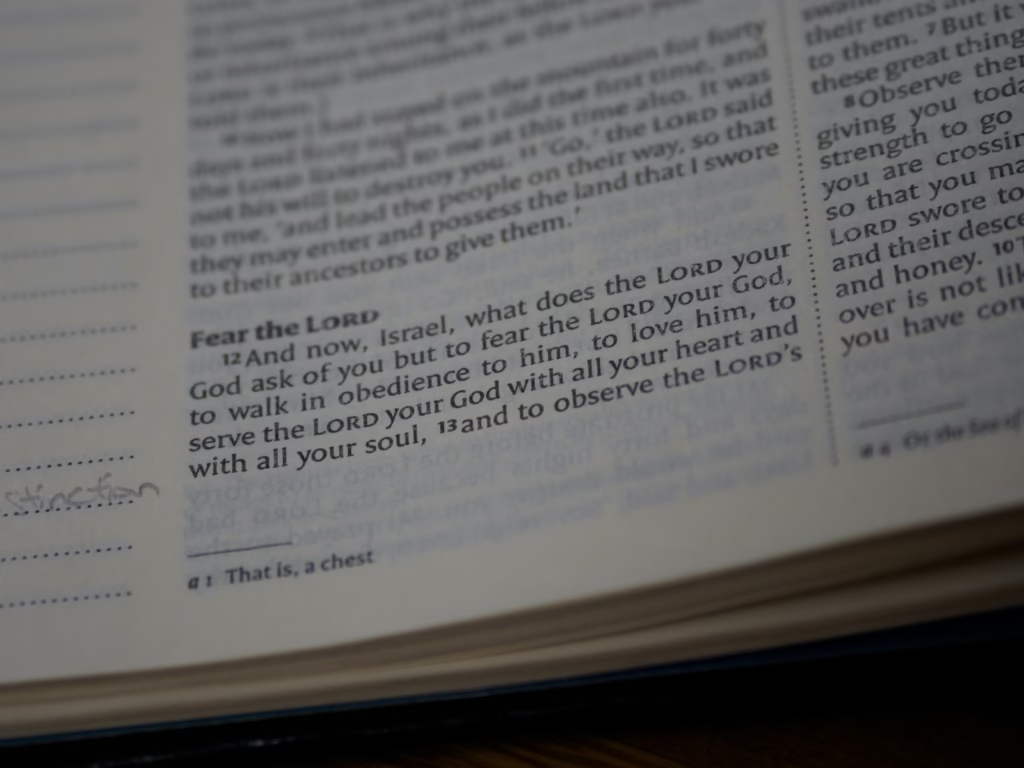
Before diving into specific verses, it’s important to recognize a crucial truth:
The Bible was written thousands of years ago in specific historical, cultural, and linguistic contexts.
Interpreting Scripture responsibly involves:
- Understanding the original language (Hebrew and Greek)
- Considering the historical and cultural background
- Looking at the broader message of the Bible
- Avoiding isolated proof-texting
With that foundation in mind, let’s explore the most frequently cited Bible verses about LGBT topics.
Old Testament Verses Discussed in LGBT Conversations
1. Genesis 19: The Story of Sodom and Gomorrah
Passage: Genesis 19:1–11
This story describes men of Sodom attempting to assault visiting angels. Historically, this narrative has been used to condemn homosexuality. However, many theologians note that the primary sin described here involves:
- Attempted sexual violence
- Inhospitality
- Extreme wickedness
Other biblical references (such as Ezekiel 16:49) describe Sodom’s sin as arrogance, neglect of the poor, and injustice, rather than consensual same-sex relationships.
2. Leviticus 18:22 and 20:13
“You shall not lie with a male as with a woman; it is an abomination.” (Leviticus 18:22)
These verses are part of the Holiness Code given to ancient Israel.
Key considerations:
- These laws addressed Israel’s distinct religious identity.
- The same section prohibits eating shellfish and wearing mixed fabrics.
- Some Christians believe these laws were ceremonial and fulfilled in Christ.
Interpretations vary significantly among Christian denominations regarding whether these verses apply today and how they should be understood.
New Testament Verses Often Referenced
3. Romans 1:26–27
Paul writes about people exchanging “natural relations” for those contrary to nature.
Scholars debate the meaning of this passage, with interpretations generally falling into two categories:
- Traditional view: It prohibits all same-sex sexual relationships.
- Contextual view: It addresses exploitative, excessive, or idolatrous sexual behavior common in Greco-Roman culture.
Understanding Paul’s broader argument in Romans is essential. His main theme in this chapter is humanity’s universal need for God’s grace.
4. 1 Corinthians 6:9–10
This passage includes Greek words often translated as “homosexuals” in some modern Bibles.
Key terms:
- Malakoi
- Arsenokoitai
Interpretation of these words is highly debated among scholars. Some argue they refer to exploitative sexual practices, while others believe they address broader sexual ethics.
Importantly, the passage continues:
“And that is what some of you were. But you were washed, you were sanctified…” (1 Corinthians 6:11)
The emphasis is on transformation and grace through Christ.
5. 1 Timothy 1:10
Similar to 1 Corinthians, this verse includes the term arsenokoitai in a vice list. Again, scholars debate its specific meaning and application.
What Does Jesus Say About LGBT?
One notable point in discussions about Bible verses about LGBT topics is this:
Jesus does not directly mention homosexuality in the Gospels.
Instead, Jesus emphasizes:
- Love of God and neighbor (Matthew 22:37–39)
- Mercy over judgment (Matthew 9:13)
- Compassion for marginalized people
- Humility and self-examination (Matthew 7:1–5)
Many Christians emphasize that Jesus consistently led with love, grace, and relational engagement.
Broader Biblical Themes to Consider
Regardless of theological position, the Bible repeatedly centers on:
✅ Love
“Above all, love each other deeply…” (1 Peter 4:8)
✅ Grace
“For it is by grace you have been saved…” (Ephesians 2:8)
✅ Truth
“Speak the truth in love…” (Ephesians 4:15)
✅ Human Dignity
Every human being is described as made in the image of God (Genesis 1:27).
These themes shape how many Christians engage conversations about sexuality today.
Christian Perspectives on LGBT Issues
Christian traditions are not unified on this topic. Views range from:
1. Traditional/Conservative View
- Marriage is defined biblically as between a man and a woman.
- Same-sex sexual relationships are considered outside biblical design.
- Emphasis on compassion while upholding traditional teachings.
2. Affirming/Inclusive View
- Biblical passages address specific historical practices rather than loving, committed same-sex relationships.
- Same-sex relationships can reflect covenantal love.
- Inclusion in marriage and church leadership.
3. Pastoral-Centered Approach
- Focus on relational ministry over ideological debates.
- Emphasis on belonging, spiritual growth, and discipleship.
Understanding these perspectives helps prevent oversimplification of a complex issue.
How to Approach This Topic as a Christian
If you’re wrestling with Bible verses about LGBT questions, consider these practical steps:
- 📖 Study Scripture in its full context.
- 🤝 Engage in respectful conversations.
- 🙏 Pray for wisdom and compassion.
- 📚 Consult diverse theologians and scholars.
- ❤️ Lead with love, regardless of your conclusion.
Final Thoughts: Holding Truth and Love Together
Discussions about Bible verses related to LGBT issues are deeply personal and spiritually significant. For many, this topic touches identity, faith, and community. That’s why it deserves careful study, humility, and compassion.
While Christians may disagree about interpretation, the central message of the Gospel remains clear:
- God’s love is profound.
- Grace is available to all.
- Every person has inherent dignity.
- Followers of Christ are called to embody truth and love together.
As you continue your exploration, remember that faith journeys often unfold over time. Ask questions. Seek understanding. Above all, reflect Christ through compassion, integrity, and humility.
If you found this guide helpful, consider sharing it with someone seeking balanced, thoughtful insight into what the Bible says about LGBT topics.
