I Look to the Mountains: Exploring the Meaning and Context of this Bible Verse
When life feels overwhelming or when we are faced with challenges, many of us instinctively seek solace in spiritual wisdom. One verse that speaks volumes to this search for strength and guidance is found in Psalm 121:1-2, which states, "I lift up my eyes to the mountains—where does my help come from? My help comes from the Lord, the Maker of heaven and earth." This powerful declaration invites us to contemplate our source of support and reflects a profound reliance on divine assistance. In this post, we will delve deeper into the meaning of this verse, explore its context, and offer insights on its application in our daily lives.
Understanding Psalm 121
The Context of the Verse
Psalm 121 is part of a collection known as the Songs of Ascents, which were sung by pilgrims as they journeyed to Jerusalem for religious festivals. These psalms express trust in God while emphasizing His protection and guidance. The imagery of lifting one's eyes to the mountains can be interpreted in multiple ways:
- Physical Ascent: The journey to Jerusalem involved ascending the mountainous terrain, symbolizing the physical and spiritual elevation towards God.
- Symbol of Stability: Mountains are often viewed as symbols of strength and permanence, signifying a stable and reliable source of help.
What Does "Help" Mean?
In this verse, the Psalmist immediately poses a critical question: "Where does my help come from?" The answer highlights the need for divine intervention in our lives. Understanding the nature of this help can be profound:
- Spiritual Guidance: Help can manifest as wisdom during tough decisions and clarity when we feel lost.
- Emotional Support: The Lord offers comfort during distress, reminding us that we are never alone.
- Physical Aid: Sometimes, help comes through tangible means—people, resources, and opportunities.
The Mountains as a Metaphor
Symbolism in Scripture
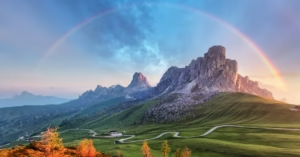
Throughout the Bible, mountains often represent more than just geographical features. They hold significant spiritual symbolism, conveying powerful messages of strength, endurance, and divine presence.
Related Posts:

- Meeting Place with God: Notable events such as Moses receiving the Ten Commandments occurred on mountains, highlighting their role as sacred spaces.
- Spiritual Highs and Lows: Mountains can also represent the highs of profound spiritual experiences and the lows of feeling distant from God, providing a holistic view of the believer's journey.
Practical Reflections
Thinking about mountains can evoke a variety of emotions and reflections. Consider these aspects when you meditate on this verse:
- Stability Amidst Chaos: Just as mountains stand tall amidst storms, God remains steadfast in our lives amid turmoil.
- Elevation of Perspective: When we ‘look to the mountains’, we can gain a higher view, broadening our perspective on our struggles.
How to Apply Psalm 121 in Daily Life
Understanding the significance behind "I look to the mountains" offers not only insight but also practical application. Here are some ways to embrace this verse in your everyday situations:
1. Cultivate a Prayerful Attitude
- Daily Reflection: Start or end your day by lifting your thoughts to God. Thank Him for being your source of help.
- Meditation on Scripture: Reflect on Psalm 121 and other related passages to draw strength and encouragement.
2. Seek Community Support
- Find a Spiritual Mentor: Surround yourself with those who can uplift and guide you through life's challenges.
- Participate in Worship: Engage with a community of faith that reinforces trust in God’s providence.
3. Embrace God's Creation
- Nature as a Reminder: Spend time in the outdoors—visiting mountains, hills, or parks can provide a literal and metaphorical reminder of God’s majesty and stability.
- Mindfulness in Nature: Use the tranquility of natural settings to meditate, pray, and connect with God on a deeper level.
Conclusion: A Call to Faith
The verse “I look to the mountains—where does my help come from?” is not just a longing for physical support; it’s an invitation to trust in a divine source that surpasses all understanding. In anchoring ourselves in faith, we can reaffirm that our help comes from the Lord, the Creator of heaven and earth.
As you navigate life's complexities, let this verse remind you to seek higher ground—not just literally, but spiritually. Whether you are on top of a mountain or in the valleys of life, God’s unwavering presence will guide and support you. So when life gets tough, remember to look to the mountains—where your help lies waiting, ready to uplift you.