
Overcoming Challenges and Trials
Whom Shall I Fear? Finding Strength in Scripture
Nov 9, 2026 · 12 min read
Discover Bible verses about landscape, revealing God's majesty through creation and offering spiritual insights into our lives.
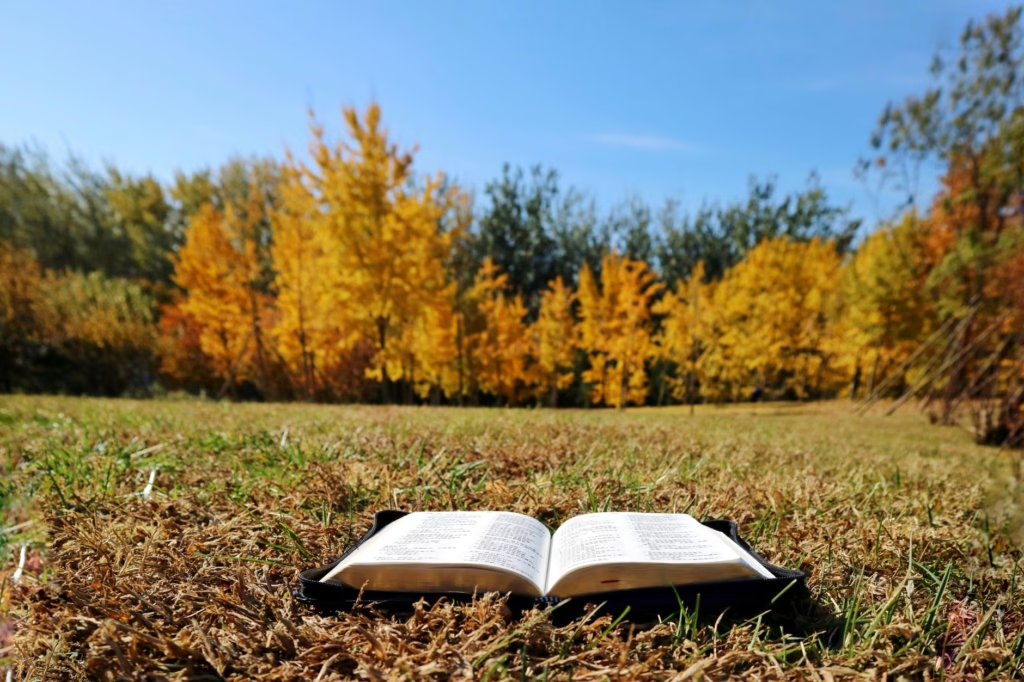
Short answer: Bible verses about landscapes highlight God's creation and principles. Noteworthy verses include Psalm 121:1-2, which speaks to God's omnipotence in the mountains, and Psalm 23:4, which reassures us of His presence in the valleys.
Bible Verses About Landscape: Exploring God's Masterpiece Through Scripture
The world around us is a canvas painted with the divine artistry of landscapes that evoke awe and wonder. From the serene stillness of a mountain range to the ceaseless ebb and flow of ocean tides, landscapes are a testament to the majesty of creation. The Bible, a spiritual cornerstone for millions, often references these natural wonders to illustrate divine principles and the splendor of God's creation. In this blog post, we will explore significant Bible verses about landscapes and delve into their spiritual implications, uncovering how these verses deepen our appreciation for the world around us.
Mountains are often depicted in the Bible as places of revelation and transformation, where the earthly meets the divine. Their towering presence symbolizes strength and majesty, traits frequently associated with God.
Psalm 121:1-2: "I lift up my eyes to the mountains—where does my help come from? My help comes from the Lord, the Maker of heaven and earth."
Isaiah 2:2: "In the last days, the mountain of the Lord’s temple will be established as the highest of the mountains; it will be exalted above the hills, and all nations will stream to it."
Valleys in biblical literature often symbolize fertility and provision, places of peace and refuge where life flourishes.
Psalm 23:4: "Even though I walk through the darkest valley, I will fear no evil, for you are with me; your rod and your staff, they comfort me."
Joel 3:18: "In that day the mountains will drip new wine, and the hills will flow with milk; all the ravines of Judah will run with water. A fountain will flow out of the Lord’s house and will water the valley of acacias."
Waterways are crucial symbols in scripture, representing life, cleansing, and the flow of divine blessing.
Psalm 46:4: "There is a river whose streams make glad the city of God, the holy place where the Most High dwells."
Matthew 8:26-27: "He replied, 'You of little faith, why are you so afraid?' Then he got up and rebuked the winds and the waves, and it was completely calm. The men were amazed and asked, 'What kind of man is this? Even the winds and the waves obey him!'"
Deserts in biblical context often represent places of solitude, reflection, and testing, where life’s true essentials are revealed.
Deuteronomy 8:2: "Remember how the Lord your God led you all the way in the wilderness these forty years, to humble and test you in order to know what was in your heart, whether or not you would keep his commands."
Isaiah 35:1-2: "The desert and the parched land will be glad; the wilderness will rejoice and blossom. Like the crocus, it will burst into bloom; it will rejoice greatly and shout for joy."
The landscapes illustrated in the Bible not only depict the physical beauty of creation but also serve as profound metaphors for spiritual truths. By examining these verses, believers are invited to discover a deeper connection with the Creator through His creation. As you gaze upon mountains, wander through valleys, contemplate the flow of rivers, or journey through deserts, may you find a reflection of the divine promises and principles woven into the very fabric of the landscape. In these sacred spaces, as in scripture, the beauty and authority of God remain timeless and ever-inspiring.
In appreciating these biblical landscapes, we are reminded of our role as stewards of creation, tasked with preserving this divine masterpiece for future generations to cherish and understand.
Take a moment to observe the landscapes around you. Allow the beauty of creation to inspire gratitude and deepen your faith in God's design.
What do mountains represent in the Bible?
Mountains symbolize strength, revelation, and God's omnipotence, often associated with divine encounters.
How are valleys depicted in scripture?
Valleys are seen as places of peace, provision, and spiritual growth, symbolizing God's comfort and guidance.
What is the significance of water in biblical landscapes?
Water represents life, cleansing, and divine blessing, signifying the nourishment that comes from God.
What can we learn from biblical deserts?
Deserts signify wilderness, solitude, and testing, offering opportunities for spiritual refinement and renewal.
God's landscapes in the Bible reflect His artistry and majesty. As you meditate on these verses, allow them to enrich your understanding of creation and nurture your spiritual journey.
Weekly encouragement
Free Bible study guides, prayer help and a verse to carry through your week. No spam, unsubscribe anytime.


Join the conversation