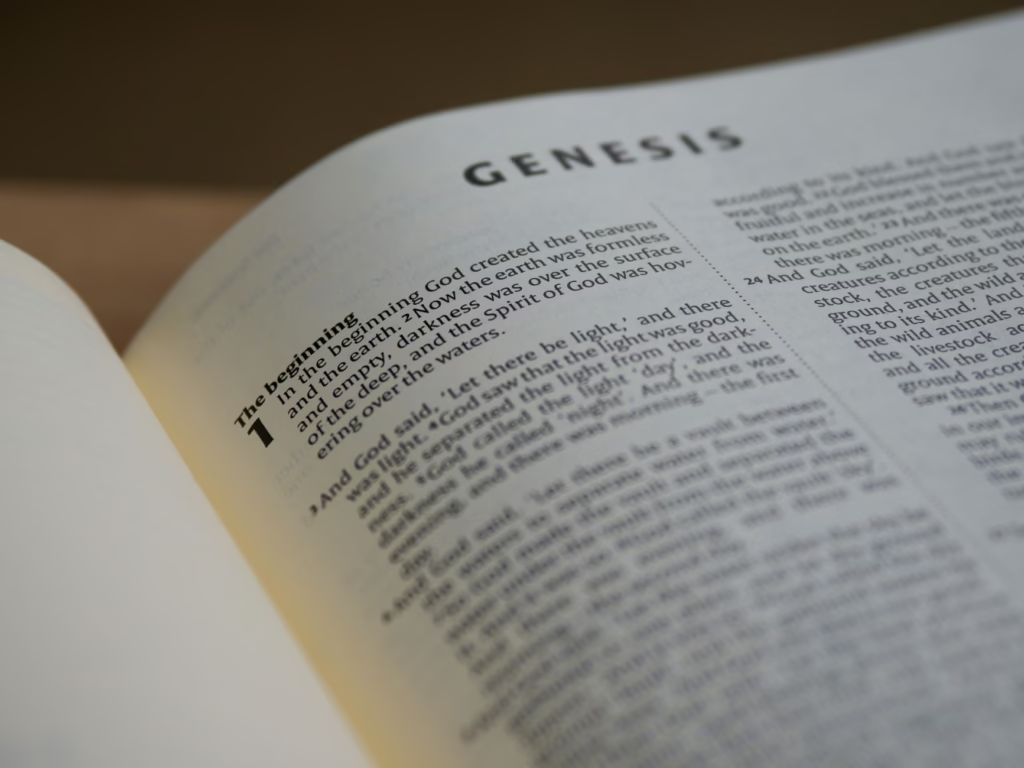
Short answer: God has no beginning and no end, as revealed in Scripture. Revelation 22:13 states, 'I am the Alpha and the Omega, the First and the Last, the Beginning and the End.' Psalm 90:2 further emphasizes His eternal nature, saying, 'From everlasting to everlasting you are God.'
Understanding the Concept: God Has No Beginning and No End
In our quest to understand the divine nature of God, we often grapple with the concept of His eternal existence. The Bible succinctly summarizes this idea with verses that assert God as having no beginning and no end—a notion that can be both awe-inspiring and mystifying. This blog post delves into the biblical basis for this belief, explores its theological implications, and reflects on its relevance to our lives.
The Biblical Foundation
The idea that God has no beginning and no end is a recurrent theme in Scripture, providing a foundation for understanding God's eternal nature.
Revelation 22:13: In this verse, God declares, “I am the Alpha and the Omega, the First and the Last, the Beginning and the End.” This proclamation emphasizes His eternal presence, suggesting that He exists outside the constraints of time.
Psalm 90:2: “Before the mountains were born or you brought forth the whole world, from everlasting to everlasting you are God.” This verse highlights God's eternal existence even before the creation of the world.
Isaiah 40:28: “Do you not know? Have you not heard? The Lord is the everlasting God, the Creator of the ends of the earth. He will not grow tired or weary, and His understanding no one can fathom.” This scripture underscores the infinite nature of God’s existence and understanding.
These verses establish a biblical narrative that God transcends time and space, offering a profound glimpse into His immutable nature.
Theological Implications
Understanding God as eternal has several profound theological implications:
Infinite Power and Knowledge: Since God has no beginning or end, His power and knowledge are limitless. He is not bound by temporal limitations, allowing Him to know all things, past, present, and future.
Dependability and Sovereignty: God's eternal nature assures believers of His sovereign control over the universe. His plans and purposes are not subject to change, offering a stable foundation for faith.
Source of Comfort: For many, the eternal nature of God is a source of comfort and hope. It assures believers of an unchanging deity who is continuously present in their lives.
Each of these implications serves as a cornerstone for many doctrines and beliefs within Christian theology, shaping the way believers understand their relationship with God.
Practical Relevance to Our Lives
Reflecting on God's eternal nature can profoundly impact how we live our daily lives:
Trust in God: Recognizing God's eternal nature encourages a deeper trust in His plans and purposes. We can rest assured that His long-term view encompasses every intricate detail of our lives.
Living with Eternal Perspective: Believers are encouraged to live with an eternal perspective, prioritizing spiritual growth and service over temporary, worldly gains.
Stability in Change: In an ever-changing world, the constancy of God as an eternal being offers a sense of stability and reassurance, anchoring our hopes and fears in someone who eternally remains the same.
By embracing these aspects of God’s eternal nature, we find guidance and peace amidst life’s uncertainties and challenges.
Conclusion
The biblical assertion that God has no beginning and no end serves as a powerful testament to His unchanging nature and infinite presence. It challenges us to expand our understanding of time and existence while inviting us to place our trust in an eternally present and sovereign God. Whether seeking comfort, assurance, or a deeper spiritual connection, reflecting on God's timelessness can profoundly influence our faith journey, anchoring us in an unshakeable foundation of divine love and purpose.
In contemplating the vastness of God's eternal nature, we are reminded of our place within His divine plan—an ever-unfolding story written by the Alpha and Omega, the Beginning and the End.
Key Takeaways
- God is eternal, existing beyond time with no beginning or end.
- Scriptural references like Revelation 22:13 affirm His everlasting nature.
- Understanding God's eternity provides stability and comfort in life.
- Trusting in His plans reflects a deeper faith and eternal perspective.
Embrace God's Eternal Nature
Recognizing God's eternal nature can deepen your trust in His plans. Embrace the comfort that comes from knowing He is always present and unchanging.
Frequently Asked Questions
What does it mean that God has no beginning?
It means that God exists outside of time, having always been, and will always be.
Why is God's eternity important for believers?
It assures believers of His constancy and sovereignty, providing a stable foundation for faith.
Which Bible verses support the idea of God's eternity?
Revelation 22:13 and Psalm 90:2 are key verses that highlight God's eternal nature.
How can I apply this understanding in my life?
By trusting in God's eternal perspective, you can find peace and stability amidst life's changes.
The Bottom Line
Reflecting on God's eternal nature brings peace and assurance in our lives. Trust in His infinite presence can guide us through any challenges we face.