O Holy Night Bible Verse
Discover the O Holy Night Bible verse connections for deeper understanding and reflection during Christmas celebrations.
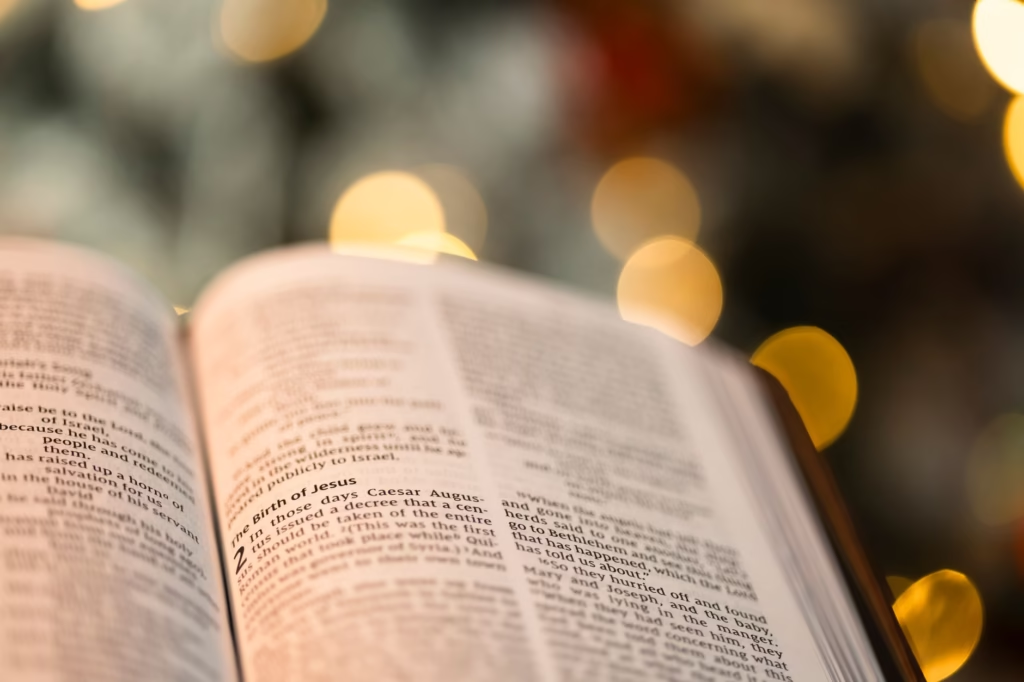
Short answer: The song 'O Holy Night' is not a Bible verse but draws inspiration from scripture, particularly Matthew 2:1-2 about the Star of Bethlehem and Isaiah 9:6, which foretells the birth of the Savior. These verses reflect themes of hope and redemption central to the hymn.
O Holy Night Bible Verse: A Journey Through Scripture and Significance
The Christmas hymn "O Holy Night" resonates deeply with many during the festive season. Its haunting melody and powerful lyrics invite reflection on the miraculous nature of Christ's birth. While the song itself is not a Bible verse, its themes and messages draw directly from scripture. This blog post will explore the biblical foundations of "O Holy Night," uncovering the profound meanings hidden within the lyrics and their scriptural origins.
The Origins of "O Holy Night"
"O Holy Night" was originally written as a French poem titled "Minuit, chrétiens" by Placide Cappeau in 1843. The music was composed by Adolphe Adam and quickly gained popularity across Europe. It wasn't until John Sullivan Dwight, an American minister, translated it into English that its themes became widely recognized in America.
Key Insights:
- Written in 1843 by a poet and a composer.
- Introduced to English-speaking audiences by an American minister.
- Based on the Biblical narrative of Christ’s birth.
Scriptural Inspirations: Where the Lyrics Meet the Bible
"O Holy Night, the Stars are Brightly Shining"
This opening line evokes the imagery of the nativity story, specifically the Star of Bethlehem, which is mentioned in the Gospel of Matthew (Matthew 2:1-2). This star guided the Magi to the birthplace of Jesus, symbolizing divine intervention and guidance.
"Long Lay the World in Sin and Error Pining"
This lyric draws from the Biblical understanding of humanity's fallen state. Romans 3:23 speaks of all having sinned and fallen short of the glory of God, setting the stage for the need for salvation through Christ.
"Till He Appeared and the Soul Felt Its Worth"
Reflecting the deep impact of Christ's arrival, this line echoes Isaiah 9:6, which prophesies the birth of a Savior who will bring peace and establish justice. Jesus’ birth gives worth and hope to all souls.
"A Thrill of Hope, the Weary World Rejoices"
This line captures the essence of Romans 15:13, where believers are encouraged to abound in hope through the power of the Holy Spirit. The birth of Christ is the eternal hope that reinvigorates the weary world.
"For Yonder Breaks a New and Glorious Morn"
The promise of a new beginning is anchored in Lamentations 3:22-23, which speaks of God’s mercies being new every morning. The birth of Jesus marks a transformational moment in history, offering a fresh start.
Themes and Messages in "O Holy Night"
The Arrival of Redemption
The hymn emphasizes the arrival of Jesus as the light in the darkness, redeeming a world mired in sin. This theme resonates with John 8:12, where Jesus declares Himself as the light of the world.
The Power of Worship and Reverence
"O Holy Night" calls listeners to fall on their knees in reverence, mirroring the worship of the shepherds and the Magi. This act of worship is an expression of acknowledging Jesus as Lord, as seen in Philippians 2:10-11.
Universal Brotherhood
The song also touches on themes of love and unity, reflecting Ephesians 2:14, which talks about breaking down the dividing wall of hostility. The message that all are equal in the eyes of God is a core Christian value.
Conclusion
The rich tapestry of "O Holy Night" is woven with Biblical themes that resonate deeply with the story of Christ's birth. Understanding these roots can enhance our appreciation of the hymn and deepen our reflection on the meaning of Christmas. By meditating on scriptures that inspired this timeless song, we invite a profound sense of awe and worship into our hearts during the holiday season.
Key Takeaways:
- "O Holy Night" draws heavily from Biblical scripture.
- Its lyrics inspire hope, worship, and a reminder of the significance of Jesus’ birth.
- Understanding the Biblical context can enrich the spiritual experience during Christmas.
May you find this exploration of "O Holy Night" a guide to enrich your Christmas reflection and bring the scriptures alive in your heart this holiday season. Merry Christmas!
Key Takeaways
- 'O Holy Night' is inspired by Biblical scripture.
- Key verses include Matthew 2:1-2 and Isaiah 9:6.
- The hymn emphasizes themes of hope and redemption.
- Understanding its roots enhances the Christmas experience.
Reflect on Scripture
Consider reading the relevant Bible passages during your holiday preparations. This can deepen your understanding of the nativity story and enrich your Christmas celebration.
Frequently Asked Questions
What are the main themes of 'O Holy Night'?
'O Holy Night' emphasizes themes of hope, redemption, and worship, highlighting the significance of Christ's birth.
Is 'O Holy Night' based on a specific Bible verse?
The song encapsulates various themes found in the Bible but is not based on a single verse.
Who wrote 'O Holy Night'?
'O Holy Night' was written as a poem by Placide Cappeau in 1843 and later set to music by Adolphe Adam.
How can I deepen my understanding of 'O Holy Night' this Christmas?
Meditate on the scriptural themes that the hymn draws from, particularly readings from Matthew and Isaiah.
The Bottom Line
As you enjoy 'O Holy Night' this Christmas, remember its profound Biblical connections. Let the themes of hope and redemption fill your heart with joy as you celebrate the gift of Jesus.
Keep reading
More Prayer →
Weekly encouragement
Grow in the Word, one email at a time.
Free Bible study guides, prayer help and a verse to carry through your week. No spam, unsubscribe anytime.
Join the conversation