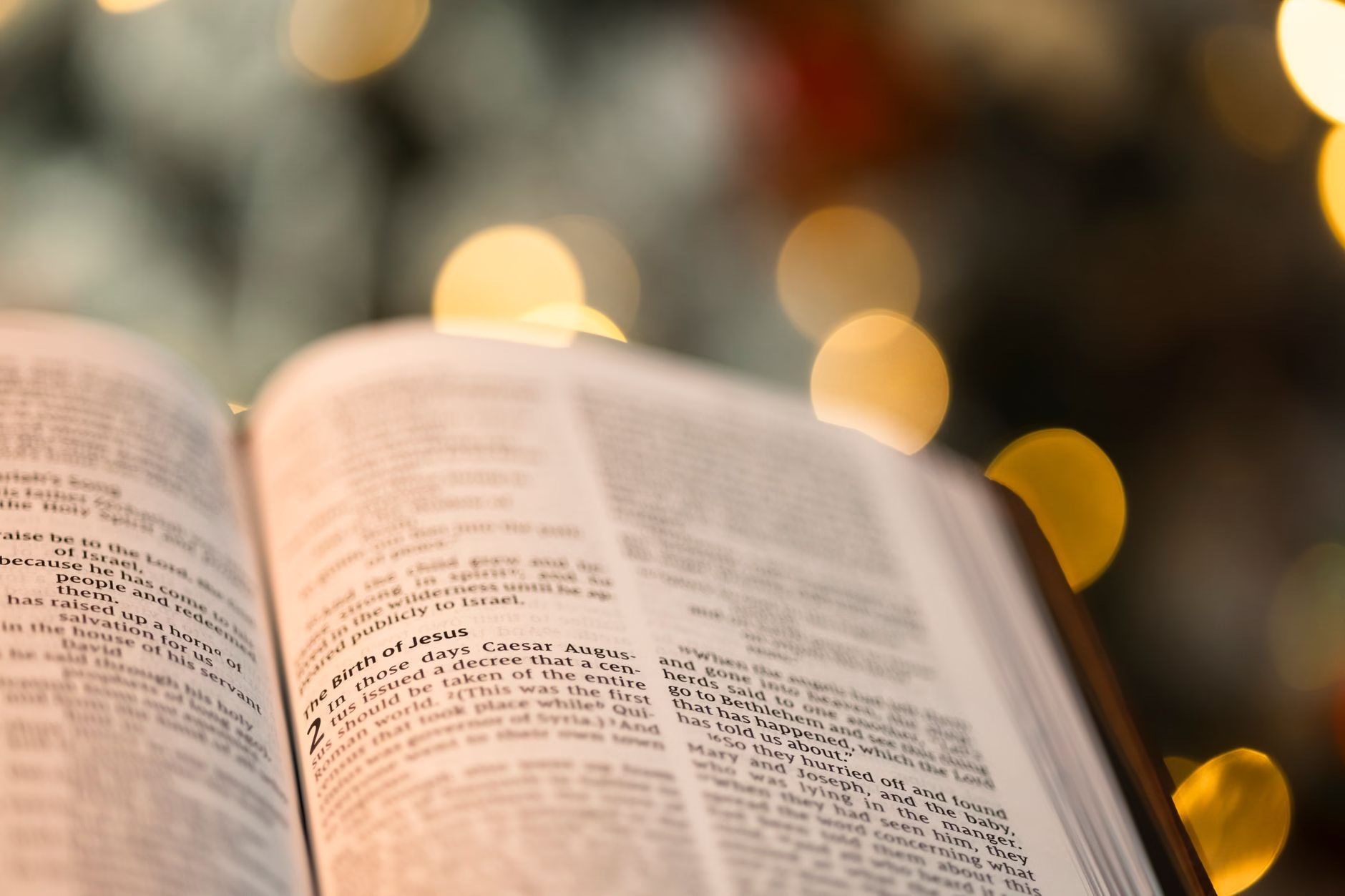
Christmas Tree in Bible Verse

CHRISTMAS TREE IN BIBLE VERSE

Table of Contents

Short answer: The Bible does not specifically mention Christmas trees. However, passages like Jeremiah 10:1-5 and the symbolism of the Tree of Life in Genesis emphasize the significance of trees in conveying life and blessings. The Christmas tree can symbolize hope, renewal, and unity during the festive season.

Christmas Tree in Bible Verse: Exploring the Roots and Symbolism

The Christmas tree, with its twinkling lights and festive ornaments, has become a universal symbol of the Christmas season. It's a centerpiece of holiday celebrations and a symbol of joy and togetherness. However, the question arises—what significance does the Christmas tree hold in the Bible? In this blog post, we'll delve into the historical, cultural, and biblical perspectives to understand the connection between the Christmas tree and biblical teachings.

The Origins and Evolution of the Christmas Tree Tradition

While the modern image of a Christmas tree is filled with whimsy and wonder, its roots trace back to ancient customs and traditions.

  • Pagan Influences: Long before Christianity, evergreen plants held spiritual significance. In cultures like the ancient Egyptians, Celts, and Scandinavians, these plants symbolized eternal life and were often used in winter solstice celebrations.
  • Christian Adaptation: In the 16th century, devout Christians in Germany were known to bring decorated trees into their homes. Legend has it that Martin Luther, an influential figure in the Protestant Reformation, was inspired by the beauty of shimmering stars amidst evergreens and recreated the scene using candles on a tree.

Biblical Interpretations: What Does Scripture Say?

The Bible does not explicitly mention "Christmas trees." Instead, there are a few references to trees and their spiritual symbolism.

  • Tree of Life: In Genesis, the Tree of Life is a profound symbol of God's provision and eternal life. While distinct from Christmas trees, it underscores the tree as a symbol of life and blessing.
  • Jeremiah 10:1-5: This passage cautions against pagan practices related to tree-worship, which some interpret as a warning against the idolatry associated with tree adornment. However, this interpretation is widely debated among theologians since the context is not specific to Christmas trees but to idols.

Despite these references, the modern Christmas tree is more of an adopted tradition rather than one rooted in biblical scripture.

The Symbolic Meaning of the Christmas Tree

Though the Christmas tree itself may not be explicitly mentioned in the Bible, the symbolism it carries resonates with Christian themes.

  • Eternal Life: Much like evergreens that thrive through winter, the tree symbolizes eternal life, reflecting the Christian belief in everlasting life through Christ.
  • Hope and Renewal: When the world is cold and dark, the greenery and lights of a Christmas tree offer warmth and hope—a reminder of Jesus, the light of the world.
  • Unity and Celebration: The act of decorating and gathering around the tree fosters unity, much like the communal and joyous celebrations found throughout Christian practice.

Celebrating with Intent: Incorporating Faith into Traditions

For those wishing to imbue their Christmas tree tradition with deeper spiritual meaning, here are some suggestions:

  • Scripture Reading: As you decorate the tree, consider reading verses that remind you of the hope, peace, and joy that Christ brings.
  • Symbolic Ornaments: Choose ornaments that represent key aspects of your faith, such as stars, angels, and Nativity scenes.
  • Prayer and Reflection: Use the time spent around the tree as an opportunity for family prayer or reflection on the true meaning of Christmas.

Conclusion: Embracing the Christmas Tree Tradition

While the Christmas tree may not have biblical mentions, its place in holiday observance allows Christians to bring meaning to the tradition by reflecting on faith and the deeper themes of Christmas. Whether rooted in ancient customs or modern reinterpretation, it's the spirit of fellowship, love, and gratitude that truly embodies the heart of this festive season.

As you celebrate this Christmas, may your tree stand not just as a decoration, but as a beacon of God's enduring love and the joyous promise of hope and renewal.

Key Takeaways

  • The Bible does not explicitly mention Christmas trees.
  • Trees in Scripture symbolize life and renewal, such as the Tree of Life in Genesis.
  • Jeremiah 10:1-5 speaks against idol worship, not specifically Christmas trees.
  • The tradition of Christmas trees reflects themes of hope, unity, and celebration.

Incorporate Faith into Your Christmas Tree Tradition

As you decorate your tree, read Scripture passages that highlight the hope of Christmas. Consider using ornaments that symbolize key elements of your faith.

Frequently Asked Questions

Is there a specific Bible verse about Christmas trees?

The Bible does not contain a specific verse about Christmas trees. However, Jeremiah 10:1-5 warns against certain tree-related pagan practices.

What is the significance of the Christmas tree in Christianity?

The Christmas tree symbolizes hope, renewal, and eternal life through Christ, reflecting the joy of the holiday season and the celebration of His birth.

Are there any biblical symbols connected to Christmas?

Yes, various symbols such as the star (representing the Star of Bethlehem), angels, and the Nativity scene are commonly associated with the biblical narrative of Christmas.

How can I make my Christmas tree more meaningful as a Christian?

Consider incorporating Scripture readings, reflective prayers, and ornaments that remind your family of the true meaning of Christmas, bringing deeper spiritual significance to the tradition.

The Bottom Line

The Christmas tree, while not directly mentioned in the Bible, can still carry rich symbolism for Christians. Embrace this tradition as a way to celebrate love, hope, and the promise of renewal during the festive season.


Share it :

Leave a Reply

Your email address will not be published. Required fields are marked *

Relationships

Christmas Tree in Bible Verse

August 30, 2025 · 5 Min Read · 0 Comments
f X W
Christmas Tree in Bible Verse

Short answer: The Bible does not specifically mention Christmas trees. However, passages like Jeremiah 10:1-5 and the symbolism of the Tree of Life in Genesis emphasize the significance of trees in conveying life and blessings. The Christmas tree can symbolize hope, renewal, and unity during the festive season.

Christmas Tree in Bible Verse: Exploring the Roots and Symbolism

The Christmas tree, with its twinkling lights and festive ornaments, has become a universal symbol of the Christmas season. It's a centerpiece of holiday celebrations and a symbol of joy and togetherness. However, the question arises—what significance does the Christmas tree hold in the Bible? In this blog post, we'll delve into the historical, cultural, and biblical perspectives to understand the connection between the Christmas tree and biblical teachings.

The Origins and Evolution of the Christmas Tree Tradition

While the modern image of a Christmas tree is filled with whimsy and wonder, its roots trace back to ancient customs and traditions.

  • Pagan Influences: Long before Christianity, evergreen plants held spiritual significance. In cultures like the ancient Egyptians, Celts, and Scandinavians, these plants symbolized eternal life and were often used in winter solstice celebrations.
  • Christian Adaptation: In the 16th century, devout Christians in Germany were known to bring decorated trees into their homes. Legend has it that Martin Luther, an influential figure in the Protestant Reformation, was inspired by the beauty of shimmering stars amidst evergreens and recreated the scene using candles on a tree.

Biblical Interpretations: What Does Scripture Say?

The Bible does not explicitly mention "Christmas trees." Instead, there are a few references to trees and their spiritual symbolism.

  • Tree of Life: In Genesis, the Tree of Life is a profound symbol of God's provision and eternal life. While distinct from Christmas trees, it underscores the tree as a symbol of life and blessing.
  • Jeremiah 10:1-5: This passage cautions against pagan practices related to tree-worship, which some interpret as a warning against the idolatry associated with tree adornment. However, this interpretation is widely debated among theologians since the context is not specific to Christmas trees but to idols.

Despite these references, the modern Christmas tree is more of an adopted tradition rather than one rooted in biblical scripture.

The Symbolic Meaning of the Christmas Tree

Though the Christmas tree itself may not be explicitly mentioned in the Bible, the symbolism it carries resonates with Christian themes.

  • Eternal Life: Much like evergreens that thrive through winter, the tree symbolizes eternal life, reflecting the Christian belief in everlasting life through Christ.
  • Hope and Renewal: When the world is cold and dark, the greenery and lights of a Christmas tree offer warmth and hope—a reminder of Jesus, the light of the world.
  • Unity and Celebration: The act of decorating and gathering around the tree fosters unity, much like the communal and joyous celebrations found throughout Christian practice.

Celebrating with Intent: Incorporating Faith into Traditions

For those wishing to imbue their Christmas tree tradition with deeper spiritual meaning, here are some suggestions:

  • Scripture Reading: As you decorate the tree, consider reading verses that remind you of the hope, peace, and joy that Christ brings.
  • Symbolic Ornaments: Choose ornaments that represent key aspects of your faith, such as stars, angels, and Nativity scenes.
  • Prayer and Reflection: Use the time spent around the tree as an opportunity for family prayer or reflection on the true meaning of Christmas.

Conclusion: Embracing the Christmas Tree Tradition

While the Christmas tree may not have biblical mentions, its place in holiday observance allows Christians to bring meaning to the tradition by reflecting on faith and the deeper themes of Christmas. Whether rooted in ancient customs or modern reinterpretation, it's the spirit of fellowship, love, and gratitude that truly embodies the heart of this festive season.

As you celebrate this Christmas, may your tree stand not just as a decoration, but as a beacon of God's enduring love and the joyous promise of hope and renewal.

Key Takeaways

  • The Bible does not explicitly mention Christmas trees.
  • Trees in Scripture symbolize life and renewal, such as the Tree of Life in Genesis.
  • Jeremiah 10:1-5 speaks against idol worship, not specifically Christmas trees.
  • The tradition of Christmas trees reflects themes of hope, unity, and celebration.

Incorporate Faith into Your Christmas Tree Tradition

As you decorate your tree, read Scripture passages that highlight the hope of Christmas. Consider using ornaments that symbolize key elements of your faith.

Frequently Asked Questions

Is there a specific Bible verse about Christmas trees?

The Bible does not contain a specific verse about Christmas trees. However, Jeremiah 10:1-5 warns against certain tree-related pagan practices.

What is the significance of the Christmas tree in Christianity?

The Christmas tree symbolizes hope, renewal, and eternal life through Christ, reflecting the joy of the holiday season and the celebration of His birth.

Are there any biblical symbols connected to Christmas?

Yes, various symbols such as the star (representing the Star of Bethlehem), angels, and the Nativity scene are commonly associated with the biblical narrative of Christmas.

How can I make my Christmas tree more meaningful as a Christian?

Consider incorporating Scripture readings, reflective prayers, and ornaments that remind your family of the true meaning of Christmas, bringing deeper spiritual significance to the tradition.

The Bottom Line

The Christmas tree, while not directly mentioned in the Bible, can still carry rich symbolism for Christians. Embrace this tradition as a way to celebrate love, hope, and the promise of renewal during the festive season.

0 Comments

Leave a Reply

Your email address will not be published. Required fields are marked *

Join Our Newsletter
Get Scripture, new articles, and Bible topics in your inbox.
Stay In The Word

Get Scripture and New Articles In Your Inbox

Join subscribers who receive daily verses and fresh Bible teaching from The Bible Teaches This.