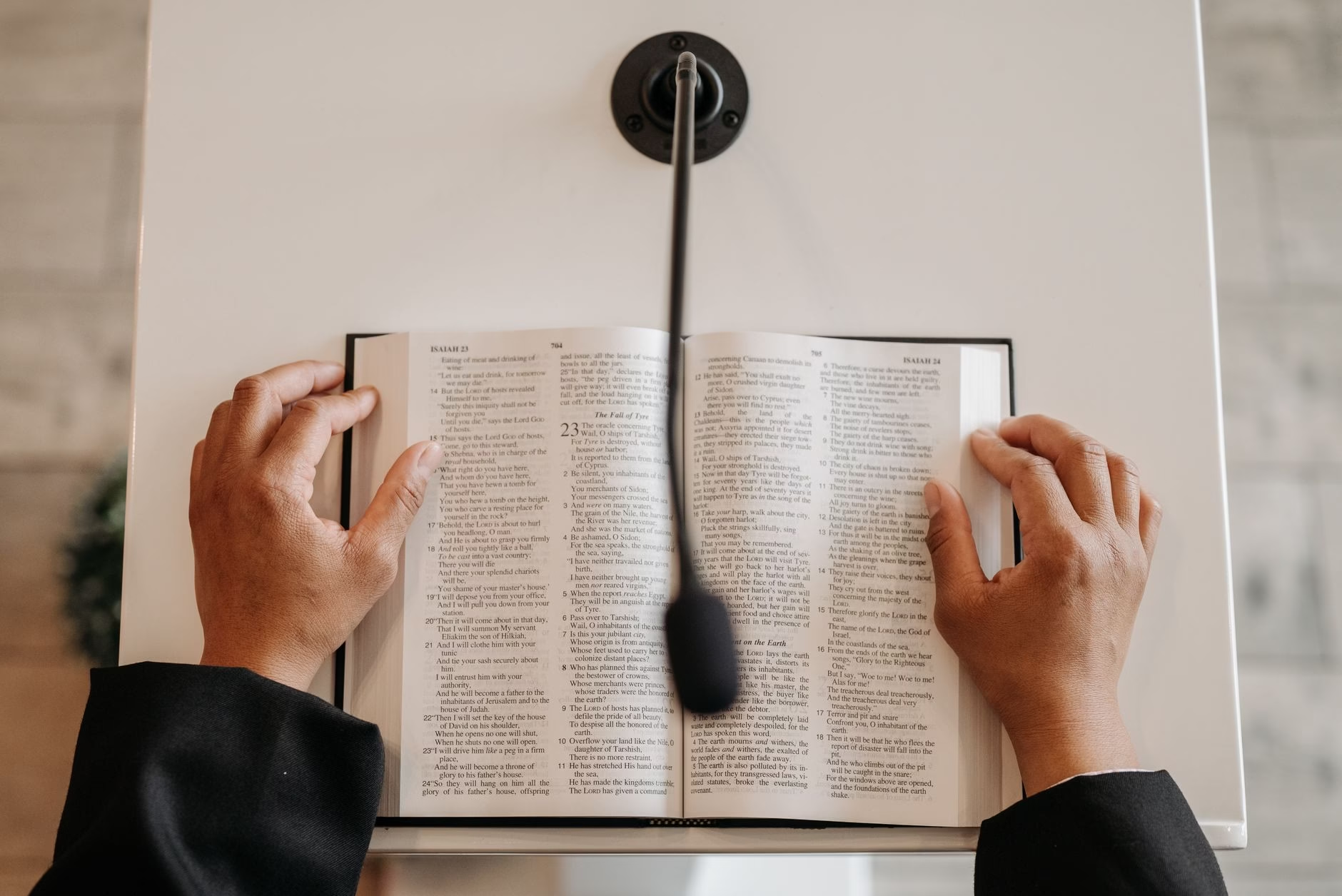
Short answer: The Bible advises us to think before we speak, notably in Proverbs 18:21 (KJV), which states, 'Death and life are in the power of the tongue.' Additionally, James 1:19 (KJV) encourages us to be 'swift to hear, slow to speak, slow to wrath.'
Think Before You Speak: A Biblical Perspective
In our fast-paced world, where words fly as fast as our fingertips can type, the timeless wisdom contained within the Bible offers a grounding perspective on the power and impact of our speech. "Think before you speak" is a common adage, but few realize its roots can be traced back to Biblical scripture. The King James Version (KJV) of the Bible provides several profound verses that echo this age-old advice, guiding us on how to harness our words wisely.
Importance of Speech in the Bible
Speech is a recurring theme in the Bible, illustrating its critical role in communication and influence. Words can build up or tear down, heal or harm. The Bible encourages us to speak with intention and care, understanding the weight our words carry.
- Proverbs 18:21 (KJV): "Death and life are in the power of the tongue: and they that love it shall eat the fruit thereof."
This verse highlights the dual nature of speech: it can either uplift or destroy. It underscores the immense power and responsibility embedded in our words.
The Call for Wisdom and Prudence
One of the primary messages in the Bible regarding speech is the call for wisdom and discretion. By employing discernment, not only do we avoid unnecessary conflict, but we also foster understanding and compassion.
- James 1:19 (KJV): "Wherefore, my beloved brethren, let every man be swift to hear, slow to speak, slow to wrath."
James emphasizes a triad approach to communication – listen actively, speak with caution, and manage emotions. This verse serves as a blueprint for effective interpersonal interactions, urging us to prioritize listening and reflection over rash speech.
Characteristics of Constructive Speech
The Bible offers guidance on what makes speech constructive and beneficial. By aligning our conversations with these characteristics, we can ensure our words contribute positively to our lives and those around us.
Grace and Kindness: Colossians 4:6 reminds us, "Let your speech be always with grace, seasoned with salt, that ye may know how ye ought to answer every man." This metaphorical seasoning suggests that our words should be both tasteful and palatable, imparting wisdom while maintaining warmth and kindness.
Truthfulness and Integrity: Ephesians 4:25 advises, "Wherefore putting away lying, speak every man truth with his neighbour: for we are members one of another." Honesty fortifies relationships and promotes a culture of trust and respect.
Strategies for Mindful Speech
Implementing the Biblical principle of thinking before speaking can significantly enhance our communication. Here are a few strategies informed by scriptural wisdom:
Pause and Reflect: Before speaking, take a moment to consider your words and their potential impact. This pause can prevent misunderstandings and hurt feelings.
Practice Empathy: Try to understand the perspective of others. Empathetic listening fosters an environment of respect and patience.
Seek Divine Guidance: Prayer and meditation can be powerful tools in seeking the right words. Ask for wisdom to communicate in a manner that aligns with Biblical teachings.
Conclusion: The Lasting Impact of Thoughtful Speech
In a world filled with noise, the ability to speak thoughtfully is a powerful tool. The Bible, through its profound verses, offers enduring wisdom that encourages us to check our words and speak with intention. By adhering to this guidance, not only do we enrich our interactions, but we also reflect the values of grace, kindness, and truth that are at the heart of a harmonious life.
Whether engaging in small talk or profound discussions, let us carry within us the Biblical call to think before speaking, ensuring our words are a true reflection of the love and wisdom we wish to share with the world.
Key Takeaways
- Words carry immense power and responsibility.
- Listening is as important as speaking.
- Grace and kindness should characterize our speech.
- Honesty fosters trust and respect in relationships.
Pause and Reflect
Before expressing yourself, take a moment to consider the potential impact of your words. This simple pause can help prevent misunderstandings and foster more meaningful communication.
Frequently Asked Questions
What does the Bible say about the power of words?
Proverbs 18:21 (KJV) states, 'Death and life are in the power of the tongue: and they that love it shall eat the fruit thereof.'
How can I communicate more effectively?
James 1:19 (KJV) advises being 'swift to hear, slow to speak, slow to wrath,' emphasizing the importance of listening before responding.
What is a key characteristic of constructive speech?
Colossians 4:6 (KJV) encourages that our speech be 'always with grace, seasoned with salt,' suggesting a balance of wisdom and kindness.
How can I seek wisdom before I speak?
Prayer and meditation are effective ways to seek guidance in finding the right words that reflect Biblical teachings.
The Bottom Line
Thinking before we speak allows us to build stronger connections and communicate more effectively. Let our words reflect the wisdom and love encapsulated in Biblical teachings, enriching our interactions with others.