Short answer: The Bible metaphorically describes the tongue as a double-edged sword, emphasizing its power to both create and destroy. A key verse is Proverbs 18:21, which states, 'The tongue has the power of life and death.' Another significant reference is James 3:5-8, highlighting the tongue's potential to corrupt.
The Tongue is a Double-Edged Sword: Understanding the Bible Verse
Words are powerful. They have the capacity to uplift spirits, heal wounds, and foster deep connections. Yet, they also hold the power to inflict pain, incite anger, and build barriers. This dual nature of language is poignantly encapsulated in the Bible, often referring to the tongue as a double-edged sword. But what exactly does this metaphor convey, and why is it relevant today? Let’s explore the profound wisdom contained in this biblical concept and its implications for our modern lives.
The Biblical Context of the "Double-Edged Sword"
The imagery of the tongue as a double-edged sword appears in several Bible verses, with one prominent reference found in the Book of Proverbs. Proverbs 18:21 states, “The tongue has the power of life and death, and those who love it will eat its fruit.” This verse highlights the immense influence words can wield, both for good and for ill.
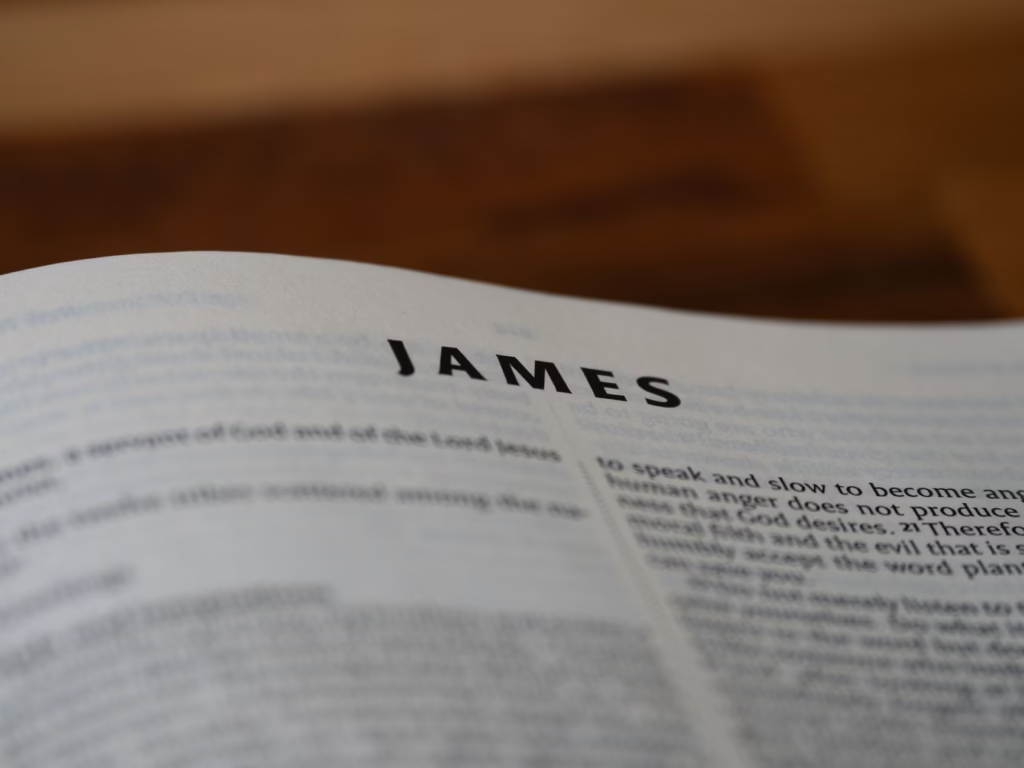
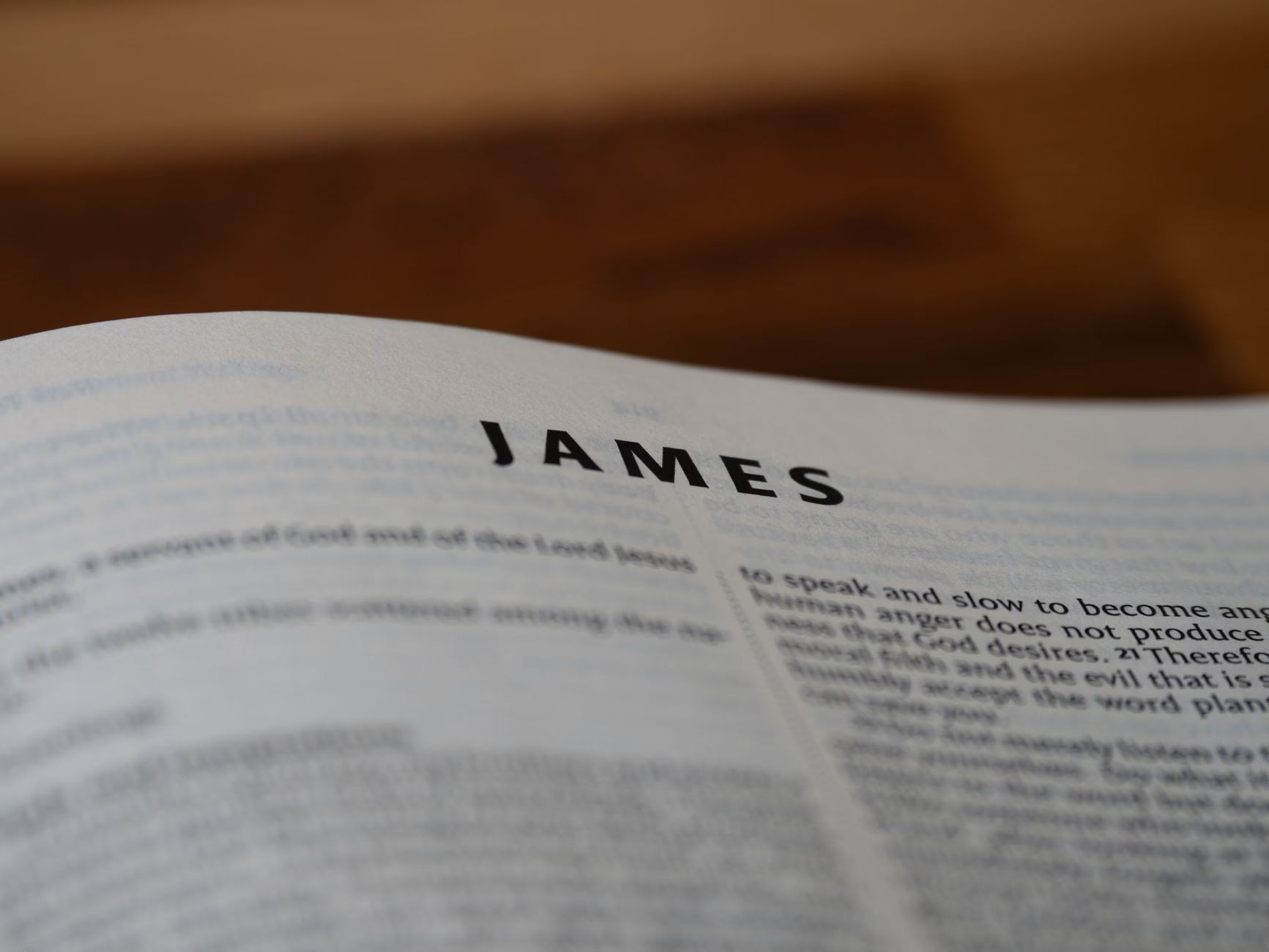
Another vital scripture is James 3:5-8, which compares the tongue to a small rudder that steers a massive ship, emphasizing the disparity between its size and its immense impact. The passage warns of the tongue's potential to corrupt and destroy, likening it to a fire that can easily spiral out of control.
Interpretations and Implications
The dual nature of the tongue as a double-edged sword signifies:
- Constructive Power: Words can be a source of encouragement, guidance, and support. They can inspire acts of kindness, spread love, and affirm self-worth.
- Destructive Potential: Conversely, words can also harm relationships, damage reputations, and perpetuate hate. They can ignite emotional turmoil and foster misunderstanding.
Understanding these dimensions enables us to become more mindful of our speech, recognizing its potential as both a creative and a destructive force.
The Impact of Words: Historically and Personally
Historical Perspective
Throughout history, leaders, philosophers, and religious figures have acknowledged the power of the spoken word:
- Influence in Politics and Leadership: Speeches by figures such as Martin Luther King Jr. and Winston Churchill have moved nations and brought about significant change.
- Cultural Impacts: Oral traditions have preserved stories and histories, influencing societies and their values across generations.
Personal Impact
On a personal level, the language we use shapes our relationships and self-perception:
- Family and Friends: The words exchanged between loved ones can strengthen or weaken bonds. Encouraging conversations can bolster confidence, while harsh words can linger, causing lasting damage.
- Self-Talk: How we speak to ourselves affects our mental health. Positive affirmations can promote self-love and resilience, while negative self-talk can breed insecurity and anxiety.
Practicing Mindful Speech
To harness the benefits of the tongue while mitigating its risks, adopting mindful speech practices is essential:
Think Before You Speak: Pausing to consider the impact of your words can prevent unnecessary harm. Ask yourself:
- Is it true?
- Is it necessary?
- Is it kind?
Embrace Active Listening: Engaging in active listening fosters empathy and understanding, reducing the likelihood of miscommunication and fostering constructive dialogue.
Practice Empathy and Encouragement: Make a conscious effort to uplift others, use language that conveys compassion, and offer sincere praise.
Commit to Personal Growth: Continuously seek to improve how you communicate. Reading, attending workshops, and seeking feedback can enhance your communication skills.
Conclusion: The Sword is in Your Hands
The tongue, like a double-edged sword, holds the power to shape realities. By understanding its potential, both constructive and destructive, we can endeavor to wield this power responsibly. Whether through uplifting others, fostering empathy, or promoting understanding, the choice of how to use this power lies with each of us.
In a world where words are increasingly exchanged through digital channels, the lesson of the double-edged sword is more relevant than ever. Let us be vigilant guardians of our speech, ensuring that our words contribute to a world built on respect and love. Remember, the power of life and death is in the tongue—let it be a force for good.
Key Takeaways
- Words can uplift or harm; they have significant influence.
- Proverbs 18:21 emphasizes the dual nature of the tongue.
- Mindful speech can prevent unnecessary harm.
- Practicing empathy can enhance communication and understanding.
Practice Mindful Speech
Before speaking, think about the impact of your words. Aim for truth, necessity, and kindness to foster constructive communication.
Frequently Asked Questions
What does Proverbs 18:21 say?
Proverbs 18:21 states, 'The tongue has the power of life and death, and those who love it will eat its fruit.'
How does James 3:5-8 describe the tongue?
James 3:5-8 compares the tongue to a small rudder steering a massive ship, highlighting its potential to corrupt and destroy.
Why is it important to be mindful of our words?
Being mindful of our words can prevent harm and promote positive relationships, as words have the power to uplift or tear down.
How can I improve my communication skills?
You can improve by practicing active listening, seeking feedback, and engaging in personal growth opportunities such as workshops.
The Bottom Line
Our words hold incredible power, capable of shaping our world and relationships. By choosing to use them wisely, we can contribute positively to our communities and uplift those around us. Let us strive to wield our tongues as instruments of love and understanding.