Bible Verses About Closing Eyes
Discover Bible verses about closing eyes that promote peace and spiritual connection, enhancing your prayer and meditation practices.
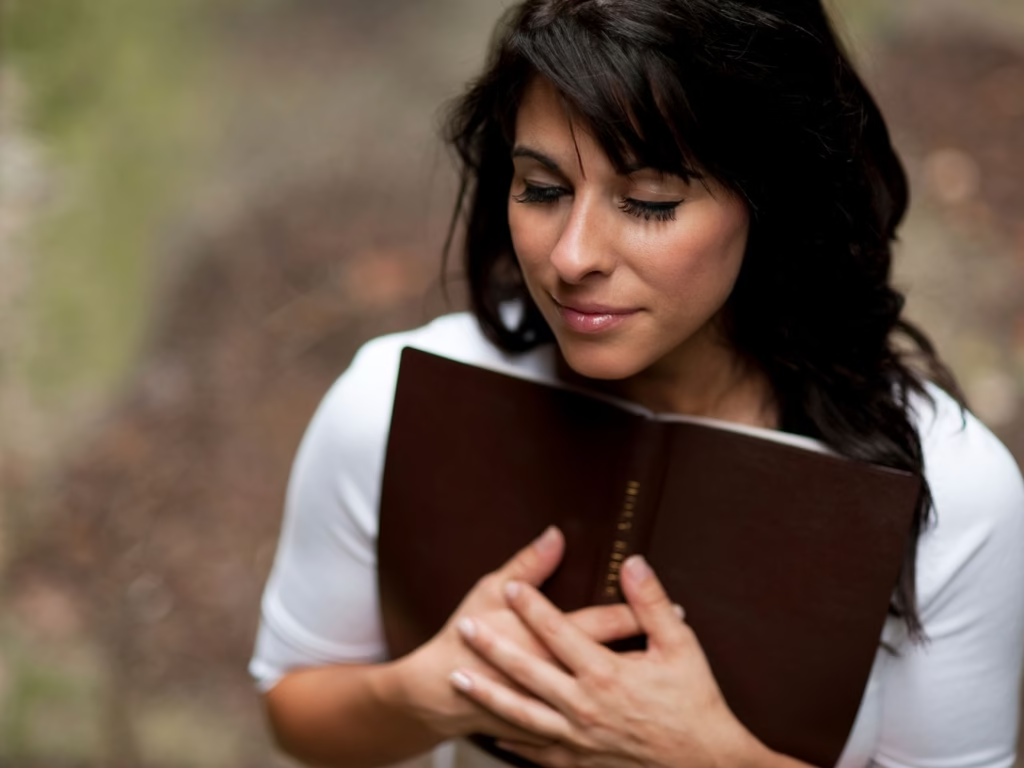
Short answer: Bible verses like Psalm 4:8 emphasize the peace found in closing our eyes and trusting God: "In peace I will lie down and sleep…" Additionally, Matthew 6:6 highlights the importance of solitude in prayer, inviting us to close our eyes and focus inward.
Bible Verses About Closing Eyes: Finding Peace and Perspective
In a world that never seems to sleep, we often find ourselves craving moments of peace and introspection. The simple act of closing our eyes can serve as a powerful gesture of retreat and reflection, fostering a deeper connection to our spiritual selves. Biblical teachings offer rich insights into this practice, highlighting its importance not just as a physical act, but as a spiritual metaphor. Let’s explore the comforting embrace of scripture through Bible verses about closing eyes and discover the profound messages they hold for us today.
Why Closing Our Eyes Matters
Before delving into the specific verses, it's essential to understand why closing our eyes holds significance. This act is more than a physiological blink; it symbolizes our willingness to shut out the external world and tune into our inner thoughts and prayers. Closing our eyes allows:
- Mindfulness and Meditation: It helps us focus inward, enhancing our capacity for meditation and prayer.
- Spiritual Reflection: By removing visual distractions, we can better reflect on our relationship with God.
- Rest and Rejuvenation: It's a reminder of the divine peace and rest offered by faith.
Key Bible Verses About Closing Eyes
The Bible mentions the act of closing eyes multiple times, each offering unique insights into its spiritual significance.
1. Psalm 4:8 – Peaceful Slumber
“In peace I will lie down and sleep, for you alone, Lord, make me dwell in safety.”
This verse beautifully captures the tranquility that comes from trusting in God. Closing our eyes at the end of the day symbolizes the surrender of our worries to God, confident in His protection and care. It speaks to the profound peace that faith offers, turning the simple act of sleep into a spiritual experience.
2. Matthew 6:6 – The Privacy of Prayer
“But when you pray, go into your room, close the door and pray to your Father, who is unseen. Then your Father, who sees what is done in secret, will reward you.”
While not directly mentioning closing eyes, this verse emphasizes the importance of solitude in prayer. Closing our eyes can simulate this intimate space even in a crowded world, allowing us to commune with God away from the prying eyes of society.
3. Lamentations 3:22-23 – Renewed Mercies
“The steadfast love of the Lord never ceases; his mercies never come to an end; they are new every morning; great is your faithfulness.”
This reminder of God’s unwavering love pairs perfectly with the notion of closing our eyes each night, secure in the knowledge that we will awaken to renewed mercies and faithfulness each day.
Embracing the Spiritual Practice
Understanding these verses inspires us to incorporate the practice of closing our eyes with intention and purpose in our daily lives. Here are some ways to embrace this spiritual practice:
- Morning Meditation: Begin your day with a few moments of silent prayer, with eyes closed and heart open.
- Midday Recalibration: Take short breaks to close your eyes and recenter your thoughts, focusing on gratitude and presence.
- Evening Reflection: End the day by reflecting on your blessings and seeking peace in preparation for restful sleep.
Conclusion
The act of closing our eyes is a timeless gesture underscored by Biblical wisdom. It invites us to pause, reflect, and connect with God on a profound level. Whether seeking peace from the chaos of life, sanctuary from daily pressures, or simply a closer relationship with the divine, these scriptures provide invaluable guidance.
As we close our eyes in prayer or reflection, may we find solace and strength in the knowledge that we are enveloped in God’s unwavering love and protection. Let these moments serve as gentle reminders of the peace that faith brings, offering clarity and comfort through the wisdom of the ages.
Key Takeaways
- Closing our eyes symbolizes surrendering to God.
- Psalm 4:8 speaks to the peace of trusting in God.
- Solitude in prayer allows deeper communion with the Lord.
- Morning and evening reflections can enhance spiritual connection.
Incorporate Eye-Closing Moments in Prayer
Set aside time each day to close your eyes during prayer, inviting peace and mindfulness. Whether in the morning or at night, these moments help deepen your relationship with God.
Frequently Asked Questions
What does closing eyes symbolize in the Bible?
Closing our eyes symbolizes surrendering our worries to God and inviting His peace into our lives.
How can I use closing my eyes for meditation?
You can close your eyes to eliminate distractions, allowing for focused meditation and deeper spiritual reflection.
Are there specific Bible verses for prayer?
Yes, Psalm 4:8 and Matthew 6:6 are great examples that inspire prayer and reflection.
What are some benefits of closing my eyes in prayer?
Closing your eyes can enhance mindfulness, deepen focus, and create a safe space for honest communication with God.
The Bottom Line
Closing our eyes in prayer is a beautiful way to connect with God and find peace amidst a chaotic world. May you embrace this practice, drawing strength and comfort from His presence in every moment of reflection.
Keep reading
More Grief, Death & Loss →

Finding Comfort in Bible Verses About Grief And Sorrow Kjv
Bible Verses Colossians: Discovering Key Teachings for Life
Bible Verses About Grief And Sorrow: Finding Hope in Heartache
Weekly encouragement
Grow in the Word, one email at a time.
Free Bible study guides, prayer help and a verse to carry through your week. No spam, unsubscribe anytime.
Join the conversation