Haggai Bible Verses

HAGGAI BIBLE VERSES

Table of Contents

Short answer: Key verses from Haggai include Haggai 1:5-6, where the people are urged to consider their ways, and Haggai 2:8, which reminds us that everything belongs to God. These verses highlight the importance of prioritizing spiritual commitments and acknowledging God's sovereignty.

Understanding the Impact of Haggai Bible Verses: A Spiritual Journey Through Rebuilding

In the grand tapestry of the Bible, the Book of Haggai often goes unnoticed. However, its messages are profoundly impactful, offering timeless insights into faith, community, and spiritual renewal. Haggai’s brief yet powerful contribution to the Minor Prophets category serves as an inspiring guide for rebuilding not just physical structures, but the fundamental tenets of faith and purpose within our own lives. In this blog post, we’ll delve into the significance of Haggai’s verses and explore their relevance for modern believers.
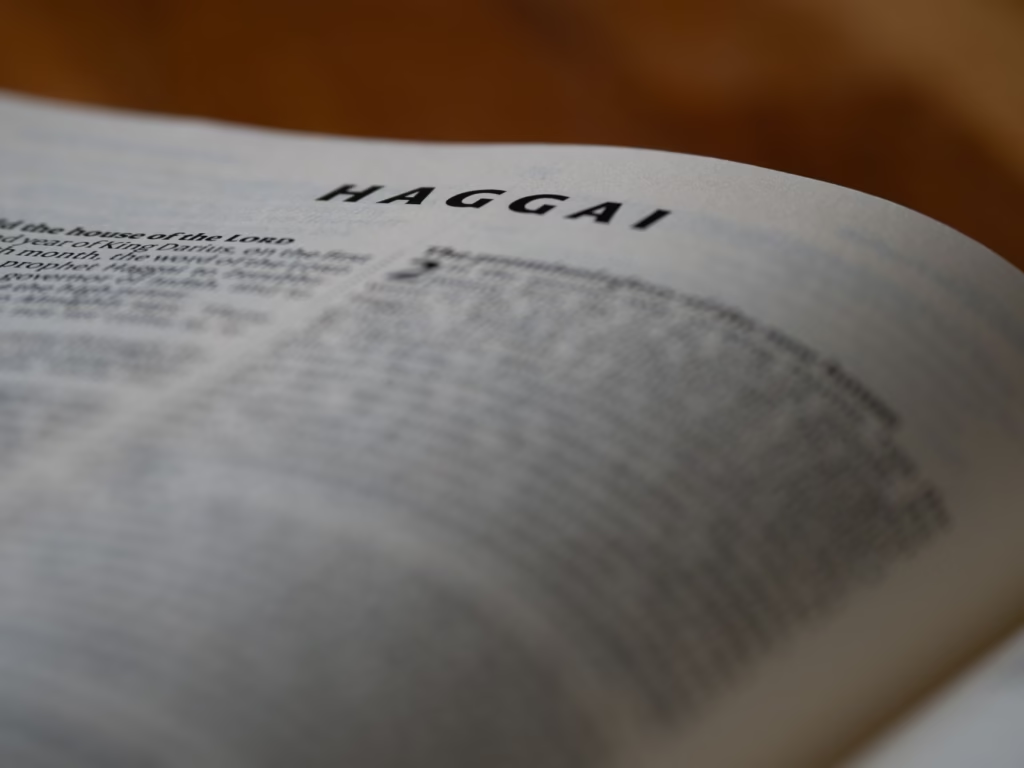
HAGGAI

A Brief Overview of the Book of Haggai

The Book of Haggai is set during a pivotal time in Jewish history, around 520 B.C. after the Babylonian exile. The Israelites, upon returning to Jerusalem, were tasked with rebuilding the Second Temple. Despite initial enthusiasm, progress came to a halt due to various external pressures and internal apathy. Enter Haggai, whose message ignited a prophetic call to resume construction, emphasizing commitment to God through tangible actions.

Key Themes of Haggai

Haggai’s messages can be encapsulated in a few overarching themes that are as relevant today as they were in his time:

  • Priority of God’s House: Rebuilding the Temple was not just about a physical structure; it was a symbol of putting God at the center of community life. Haggai 1:4-11 exhorts the people to consider their ways, urging them to prioritize their spiritual duties over personal comfort.
  • Call to Action and Obedience: The call to rise and build reflects the importance of active faith. As conveyed in Haggai 1:12-15, obedience to God’s commands brings divine blessing and empowerment.
  • Encouragement and Divine Presence: Haggai 2:4-5 reassures the people of God’s presence amid their challenges, a reminder that God’s strength is made perfect in our weaknesses.
  • Future Glory: Emphasizing hope and future prosperity, Haggai 2:9 foretells the glory of the new temple, offering a vision of a future filled with divine abundance and peace.

Breaking Down Key Haggai Verses

To fully appreciate the depth of Haggai’s teachings, let’s examine some of the verses meticulously.

“Consider Your Ways” – Haggai 1:5-6

In these verses, Haggai commands the people to “consider their ways,” highlighting the futility of a life focused on personal gain without God. It serves as a stark reminder that spiritual neglect leads to dissatisfaction and unfulfilled efforts.

  • Application for Today: In a fast-paced world, it encourages us to pause and evaluate whether our actions align with our spiritual goals. Are we chasing material comforts at the expense of spiritual growth?

“I am with you” – Haggai 1:13

God’s promise of presence is reiterated by Haggai, offering encouragement to a dispirited people. By reaffirming His presence, God provides the Israelites with the courage to overcome.

  • Modern Implication: This verse is a comforting assurance that we are never alone in our struggles, urging us to draw strength from God in challenging times.

“The Silver is Mine, and the Gold is Mine” – Haggai 2:8

This verse acknowledges God as the ultimate source of all resources, reinforcing the idea that human efforts should be aligned with divine purpose.

  • Relevance: It challenges us to acknowledge God’s sovereignty over our possessions, reminding us to use them wisely as stewards rather than owners.

Practical Lessons from Haggai’s Prophecies

Drawing insights from Haggai, here are practical applications for a deeper spiritual life:

  • Rediscover Your Priorities: Identify areas in your life that need ‘rebuilding’ and realign them with your faith values.
  • Cultivate Obedience: Emphasize active obedience in daily life, knowing that small steps of faith can lead to monumental changes.
  • Embrace God’s Presence: Stay attuned to the divine presence in both tumultuous times and daily routines for greater peace and guidance.
  • Hope in Future Glory: Maintain hope and vision for a better future, trusting in God’s promises and perfect timing.

Conclusion: Haggai’s Eternal Relevance

The Book of Haggai, though short, delivers powerful messages for those seeking purpose and renewal. Its verses encourage us to prioritize our spiritual commitments, embrace divine presence, and nurture hope for both current and future glory. By aligning our lives with the prophetic wisdom of Haggai, we take meaningful steps towards rebuilding what truly matters. Whether you are embarking on personal growth or contributing to community development, let Haggai’s teachings illuminate your path.

In reverence and action, may we continually consider our ways and live in the assurance that God’s guiding presence is ever with us, urging us toward a future filled with promise and peace.

Key Takeaways

  • Prioritize God's house and spiritual duties over personal comfort.
  • Obeying God's commands leads to blessings and empowerment.
  • God's presence provides strength and courage amid challenges.
  • Embrace hope in God's promises for a prosperous future.

Applying Haggai's Teachings

Reflect on your priorities and realign them with your spiritual commitments. Active obedience and embracing God's presence can transform your daily life.

Frequently Asked Questions

What is the main message of Haggai?

The main message of Haggai emphasizes the priority of rebuilding God's house and aligning our lives with His purposes.

When was the Book of Haggai written?

The Book of Haggai was written around 520 B.C. during the time of the Jewish return from Babylonian exile.

What does Haggai 1:13 say?

'I am with you,' declares the Lord, providing reassurance and encouragement to the Israelites as they faced challenges.

Why is Haggai important for modern believers?

Haggai's messages about prioritizing faith, active obedience, and hope are timeless principles that guide believers in their spiritual journeys.

The Bottom Line

The Book of Haggai speaks powerfully into our lives today, reminding us of the importance of faith and community. By considering its teachings, we can find direction and encouragement for our spiritual journey.


Share it :

Leave a Reply

Your email address will not be published. Required fields are marked *

Prayer

Haggai Bible Verses

August 21, 2025 · 5 Min Read · 0 Comments
f X W
Haggai Bible Verses

Short answer: Key verses from Haggai include Haggai 1:5-6, where the people are urged to consider their ways, and Haggai 2:8, which reminds us that everything belongs to God. These verses highlight the importance of prioritizing spiritual commitments and acknowledging God's sovereignty.

Understanding the Impact of Haggai Bible Verses: A Spiritual Journey Through Rebuilding

In the grand tapestry of the Bible, the Book of Haggai often goes unnoticed. However, its messages are profoundly impactful, offering timeless insights into faith, community, and spiritual renewal. Haggai’s brief yet powerful contribution to the Minor Prophets category serves as an inspiring guide for rebuilding not just physical structures, but the fundamental tenets of faith and purpose within our own lives. In this blog post, we’ll delve into the significance of Haggai’s verses and explore their relevance for modern believers.

HAGGAI

A Brief Overview of the Book of Haggai

The Book of Haggai is set during a pivotal time in Jewish history, around 520 B.C. after the Babylonian exile. The Israelites, upon returning to Jerusalem, were tasked with rebuilding the Second Temple. Despite initial enthusiasm, progress came to a halt due to various external pressures and internal apathy. Enter Haggai, whose message ignited a prophetic call to resume construction, emphasizing commitment to God through tangible actions.

Key Themes of Haggai

Haggai’s messages can be encapsulated in a few overarching themes that are as relevant today as they were in his time:

  • Priority of God’s House: Rebuilding the Temple was not just about a physical structure; it was a symbol of putting God at the center of community life. Haggai 1:4-11 exhorts the people to consider their ways, urging them to prioritize their spiritual duties over personal comfort.
  • Call to Action and Obedience: The call to rise and build reflects the importance of active faith. As conveyed in Haggai 1:12-15, obedience to God’s commands brings divine blessing and empowerment.
  • Encouragement and Divine Presence: Haggai 2:4-5 reassures the people of God’s presence amid their challenges, a reminder that God’s strength is made perfect in our weaknesses.
  • Future Glory: Emphasizing hope and future prosperity, Haggai 2:9 foretells the glory of the new temple, offering a vision of a future filled with divine abundance and peace.

Breaking Down Key Haggai Verses

To fully appreciate the depth of Haggai’s teachings, let’s examine some of the verses meticulously.

“Consider Your Ways” – Haggai 1:5-6

In these verses, Haggai commands the people to “consider their ways,” highlighting the futility of a life focused on personal gain without God. It serves as a stark reminder that spiritual neglect leads to dissatisfaction and unfulfilled efforts.

  • Application for Today: In a fast-paced world, it encourages us to pause and evaluate whether our actions align with our spiritual goals. Are we chasing material comforts at the expense of spiritual growth?

“I am with you” – Haggai 1:13

God’s promise of presence is reiterated by Haggai, offering encouragement to a dispirited people. By reaffirming His presence, God provides the Israelites with the courage to overcome.

  • Modern Implication: This verse is a comforting assurance that we are never alone in our struggles, urging us to draw strength from God in challenging times.

“The Silver is Mine, and the Gold is Mine” – Haggai 2:8

This verse acknowledges God as the ultimate source of all resources, reinforcing the idea that human efforts should be aligned with divine purpose.

  • Relevance: It challenges us to acknowledge God’s sovereignty over our possessions, reminding us to use them wisely as stewards rather than owners.

Practical Lessons from Haggai’s Prophecies

Drawing insights from Haggai, here are practical applications for a deeper spiritual life:

  • Rediscover Your Priorities: Identify areas in your life that need ‘rebuilding’ and realign them with your faith values.
  • Cultivate Obedience: Emphasize active obedience in daily life, knowing that small steps of faith can lead to monumental changes.
  • Embrace God’s Presence: Stay attuned to the divine presence in both tumultuous times and daily routines for greater peace and guidance.
  • Hope in Future Glory: Maintain hope and vision for a better future, trusting in God’s promises and perfect timing.

Conclusion: Haggai’s Eternal Relevance

The Book of Haggai, though short, delivers powerful messages for those seeking purpose and renewal. Its verses encourage us to prioritize our spiritual commitments, embrace divine presence, and nurture hope for both current and future glory. By aligning our lives with the prophetic wisdom of Haggai, we take meaningful steps towards rebuilding what truly matters. Whether you are embarking on personal growth or contributing to community development, let Haggai’s teachings illuminate your path.

In reverence and action, may we continually consider our ways and live in the assurance that God’s guiding presence is ever with us, urging us toward a future filled with promise and peace.

Key Takeaways

  • Prioritize God's house and spiritual duties over personal comfort.
  • Obeying God's commands leads to blessings and empowerment.
  • God's presence provides strength and courage amid challenges.
  • Embrace hope in God's promises for a prosperous future.

Applying Haggai's Teachings

Reflect on your priorities and realign them with your spiritual commitments. Active obedience and embracing God's presence can transform your daily life.

Frequently Asked Questions

What is the main message of Haggai?

The main message of Haggai emphasizes the priority of rebuilding God's house and aligning our lives with His purposes.

When was the Book of Haggai written?

The Book of Haggai was written around 520 B.C. during the time of the Jewish return from Babylonian exile.

What does Haggai 1:13 say?

'I am with you,' declares the Lord, providing reassurance and encouragement to the Israelites as they faced challenges.

Why is Haggai important for modern believers?

Haggai's messages about prioritizing faith, active obedience, and hope are timeless principles that guide believers in their spiritual journeys.

The Bottom Line

The Book of Haggai speaks powerfully into our lives today, reminding us of the importance of faith and community. By considering its teachings, we can find direction and encouragement for our spiritual journey.

0 Comments

Leave a Reply

Your email address will not be published. Required fields are marked *

Join Our Newsletter
Get Scripture, new articles, and Bible topics in your inbox.
Stay In The Word

Get Scripture and New Articles In Your Inbox

Join subscribers who receive daily verses and fresh Bible teaching from The Bible Teaches This.