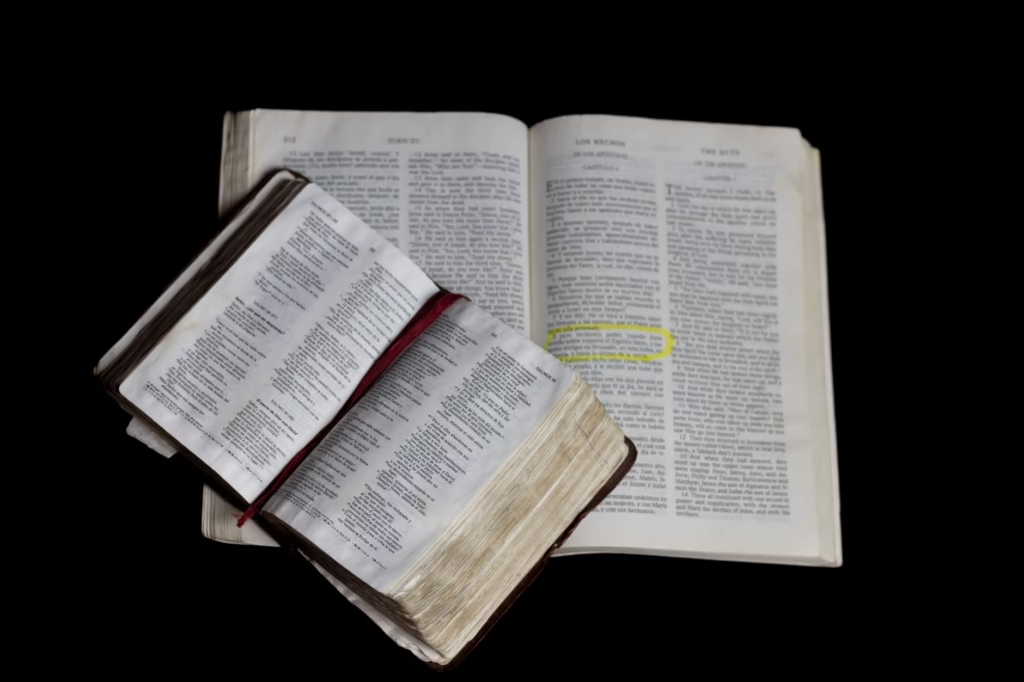
Short answer: MLK's favorite Bible verses include Amos 5:24, which calls for justice to flow like waters, and Matthew 5:9, which blesses peacemakers. These verses deeply influenced his activism and message of love and justice.
MLK’s Favorite Bible Verses: Inspiration Through Scripture
Martin Luther King Jr., a visionary leader and civil rights icon, drew profound inspiration from a variety of sources. Among these, his deep relationship with the Bible played a pivotal role in shaping his beliefs, speeches, and nonviolent activism. Let's delve into some of Martin Luther King Jr.'s favorite Bible verses and explore how they inspired his quest for justice, equality, and peace.
The Role of Faith in MLK’s Life
Martin Luther King Jr.'s Christian faith was the bedrock of his life's work. His father was a pastor, and he followed in his footsteps, becoming a minister himself. From the pulpit, he not only preached gospel truths but used Biblical principles to advocate for civil rights.
In his journey:
- Faith was a guiding force: It provided him with strength and resilience during moments of doubt and despair.
- Bible verses offered solace and direction: These scriptures weren’t just words; they were a call to action and a source of hope.
Verses that Inspired Change
1. Amos 5:24 (ESV): “But let justice roll down like waters, and righteousness like an ever-flowing stream.”
This verse from the Book of Amos resonated deeply with King’s pursuit of justice. It called for righteous justice, a central theme in his speeches.
- Used in the “I Have a Dream” speech: MLK quoted this verse to emphasize the unstoppable and necessary flow of justice and righteousness in society.
- Symbol of hope: It inspired not just political action but moral awakening.
2. Matthew 5:9 (ESV): “Blessed are the peacemakers, for they will be called children of God.”
In the midst of violence and turmoil, King called for peace:
- The principle of nonviolence: This verse underscored his commitment to peaceful resistance, even when met with hostility.
- Encouraged reconciliation: It guided his belief in resolving conflict without resorting to violence.
3. Luke 6:27-28 (ESV): “But I say to you who hear, Love your enemies, do good to those who hate you, bless those who curse you, pray for those who abuse you.”
This teaching of Jesus formed the cornerstone of King’s philosophy of love over hate:
- Challenging yet transformative: Encouraged followers to embrace love and forgiveness, even when faced with oppression and injustice.
- Gandhi and Christian ethics combined: MLK’s belief in loving one’s enemies was radical and drew heavily from his Christian faith and Gandhian principles.
The Power of Hope and Perseverance
4. Romans 12:12 (ESV): “Rejoice in hope, be patient in tribulation, be constant in prayer.”
Amid adversity, King’s faith in hope and perseverance never wavered.
- Motivation during trials: This verse reminded him and his followers to remain hopeful and patient during challenging times.
- Strengthened collective resolve: It encouraged perseverance in the face of seemingly insurmountable obstacles.
5. Psalm 30:5 (ESV): “Weeping may tarry for the night, but joy comes with the morning.”
This verse provided comfort and optimism:
- Message of enduring hope: Despite the struggles faced, King believed that a brighter future was imminent.
- Promoted resilience: His speeches often emphasized the idea of temporary struggle leading to eventual triumph.
Conclusion: MLK's Legacy Through Scripture
Martin Luther King Jr.'s reliance on the Bible was not just a personal spiritual endeavor but a strategic and moral foundation for his activism. These verses illustrate not only his deep faith but his belief in humanity’s potential for growth and change through love, justice, and peace.
As we reflect on MLK’s legacy, we are reminded of the enduring power of faith and scripture in inspiring leaders and driving societal change. By revisiting these verses, we not only honor his memory but also carry forward his vision for a more just and loving world. Let’s continue to be inspired by these timeless truths and strive for a future where justice and righteousness flow abundantly.
Key Takeaways
- MLK drew profound inspiration from the Bible in his fight for civil rights.
- Amos 5:24 emphasizes justice, which was a core theme of MLK's activism.
- Matthew 5:9 highlights the importance of peacemakers, reflecting MLK's nonviolent philosophy.
- MLK believed in the power of love, forgiveness, and hope as taught in scripture.
Reflect on Scripture
Take time to read the Bible verses that inspired MLK. Reflecting on these passages can help deepen your understanding of justice and love in your own life.
Frequently Asked Questions
What role did the Bible play in MLK's activism?
The Bible provided MLK with moral guidance and inspiration, shaping his beliefs about justice, love, and nonviolence.
Which Bible verse did MLK quote in his 'I Have a Dream' speech?
MLK quoted Amos 5:24, emphasizing the importance of justice rolling down.
How did MLK interpret 'Love your enemies'?
MLK saw 'Love your enemies' as a radical call to embrace forgiveness and compassion, even in the face of oppression.
What does Romans 12:12 teach about hope?
Romans 12:12 encourages believers to rejoice in hope and remain patient during hardships, which was central to MLK's message.
The Bottom Line
MLK's legacy continues to inspire many today, reminding us of the profound power of faith and love in overcoming injustice. By embracing these scriptural truths, we can carry forward the vision of a more equitable and peaceful world.