
Faith and Trust in God
Bible Verses On Preparation For The Future: Insights and Guidance
Nov 25, 2026 · 12 min read
Explore Bible verses about truth and honesty, their meanings, and how they guide our daily lives in faith and integrity.

Key Takeaways
The concepts of truth and honesty are paramount in the Christian faith, deeply rooted in Scripture. As believers, we are called to embody these virtues, reflecting the character of God in our lives. Truth is not merely a concept; it is a foundational aspect of our relationship with God and with others.
In a world filled with conflicting messages and moral ambiguities, turning to the Bible provides clarity and direction. This article explores various Bible verses about truth and honesty, offering insights on how to incorporate these principles into our daily lives.
Understanding and embracing truth and honesty allows us to build stronger relationships, foster trust within our communities, and ultimately reflect Christ’s love and integrity. Let’s look into what the Bible teaches us about these vital virtues.
Truth, in the biblical context, is more than just factual accuracy; it is a reflection of God’s nature. In John 14:6, Jesus states, “I am the way, the truth, and the life.” This declaration emphasizes that truth is found in Christ Himself. It shows that to understand truth, we must look to Jesus, who embodies the ultimate reality.
Furthermore, Psalm 119:160 declares, “All your words are true; all your righteous laws are eternal.” This verse highlights the reliability of God’s Word. It assures us that the teachings and commandments found in Scripture are not only true but also timeless, providing guidance for every generation.
Truth is also essential in our interactions with others. Ephesians 4:15 encourages us to “speak the truth in love.” This suggests that while truth may sometimes be difficult to hear, delivering it with love is crucial for maintaining healthy relationships. It demonstrates that honesty should be coupled with compassion, ensuring that our words build up rather than tear down.
Honesty is a vital component of a healthy spiritual life. Proverbs 12:22 states, “The Lord detests lying lips, but he delights in people who are trustworthy.” This verse emphasizes that honesty aligns with God’s character and that He takes pleasure in those who uphold integrity.
In our relationships, honesty fosters trust. When we are truthful with one another, we create an environment where openness and vulnerability can thrive. For example, consider a workplace scenario where a team member discovers an error in a project. If they choose to be honest about it, the team can address the issue collaboratively, reinforcing the bond of trust among them.
Moreover, honesty helps us avoid the pitfalls of deceit. Proverbs 10:9 reminds us, “Whoever walks in integrity walks securely, but whoever takes crooked paths will be found out.” This serves as a warning that dishonesty may provide temporary relief but will ultimately lead to consequences. Living with integrity means choosing the harder path of truth, which leads to lasting security.

The Bible is rich with narratives that illustrate the significance of truth and honesty. One prominent example is found in the story of Ananias and Sapphira in Acts 5:1-11. This couple sold a piece of property and deceitfully withheld part of the proceeds while pretending to donate the entire amount to the apostles. Their dishonesty led to severe consequences, demonstrating how deception can disrupt the unity and purity of the church.
On the other hand, we see the honesty of Nathan the prophet in 2 Samuel 12, who boldly confronted King David about his sin with Bathsheba. Nathan’s willingness to speak the truth, even to a king, exemplifies the courage required to uphold honesty. His approach, though difficult, ultimately led to David’s repentance and restoration.
The examples of both Ananias and Nathan serve as powerful reminders of the impact our choices regarding truth and honesty can have on our lives and the lives of those around us.
Applying the principles of truth and honesty in our daily lives requires intentionality. Here are some practical steps to help cultivate these virtues:
Implementing these steps can create a culture of honesty in your personal life and beyond, leading to deeper, more meaningful relationships.
Truth is foundational to our spiritual growth. John 8:32 states, “Then you will know the truth, and the truth will set you free.” This freedom is not merely a release from guilt but encompasses a holistic transformation that occurs when we align our lives with God’s truth.
Engaging with Scripture is essential in this process. Psalm 119:105 reminds us, “Your word is a lamp for my feet, a light on my path.” Regularly studying the Bible helps us discern truth amidst the noise of the world, guiding our decisions and actions.
Moreover, truth fosters spiritual maturity. As we grow in our understanding of God’s Word, we become more equipped to navigate life’s challenges. Ephesians 4:14-15 encourages us to grow “in every respect to the mature body of him who is the head, that is, Christ.” Embracing truth positions us to reflect Christ’s character more fully.
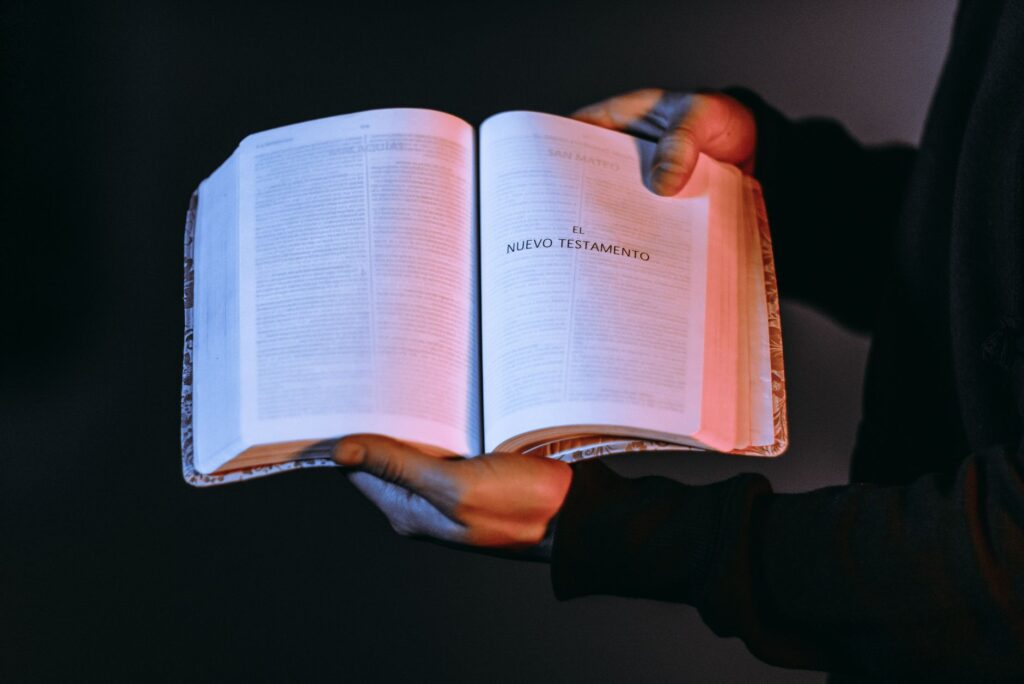
While the call to truth and honesty is clear, it is often met with challenges. One major hurdle is societal pressure. In various contexts, we may encounter situations where dishonesty seems to be the easier option. Whether in business, social settings, or personal relationships, the temptation to conform to dishonest practices can be overwhelming.
Additionally, fear of repercussions can deter us from speaking the truth. This fear can manifest in various forms, including anxiety about disappointing others or facing conflict. However, Philippians 4:13 reassures us, “I can do all this through him who gives me strength.” Relying on God’s strength enables us to confront these fears and stand firm in our commitment to truth.
Lastly, the influence of false narratives can create confusion about what is true. In an age of misinformation, discerning the truth requires intentionality and reliance on the Holy Spirit. John 16:13 reminds us that the Spirit “will guide you into all the truth.” Seeking God’s guidance is essential in navigating the complexities of today’s world.
As we strive to embrace truth and honesty, we can draw encouragement from God’s promises. Proverbs 3:5-6 urges us to “trust in the Lord with all your heart and lean not on your own understanding; in all your ways submit to him, and he will make your paths straight.” Trusting God empowers us to navigate the challenges of living truthfully.
Furthermore, reflecting on the character of Christ can motivate us to uphold these virtues. 1 Peter 2:21 reminds us that “Christ suffered for you, leaving you an example that you should follow in his steps.” Jesus exemplified perfect truth and honesty, demonstrating that authentic living brings glory to God.
Finally, consider the impact of your honesty on others. Your commitment to truth can inspire those around you to do the same. As Matthew 5:16 encourages, “Let your light shine before others, that they may see your good deeds and glorify your Father in heaven.” Living truthfully not only transforms your life but also serves as a beacon of hope for others.
The Bible presents God as the ultimate source of truth. In John 14:6, Jesus declares, “I am the way, the truth, and the life.” This profound statement underscores that truth is not merely an abstract concept but is embodied in the person of Jesus Christ. As believers, recognizing God as the foundation of truth helps us understand that all truth ultimately leads back to Him.
Additionally, Psalm 119:160 states, “The sum of Your word is truth, and every one of Your righteous rules endures forever.” This verse emphasizes that God’s Word is the definitive standard of truth. In a world filled with relativism, we can take comfort in knowing that God’s character is synonymous with truth. His promises are unfailing and His judgments are perfect, reminding us that we can rely on Him completely.
God’s truth is constant and unchanging, which is beautifully illustrated in Malachi 3:6: “For I, the Lord, do not change; therefore you, O children of Jacob, are not consumed.” In a world where opinions and standards shift with the winds of culture, God’s truth remains steadfast. This constancy provides us a solid foundation upon which to build our lives.

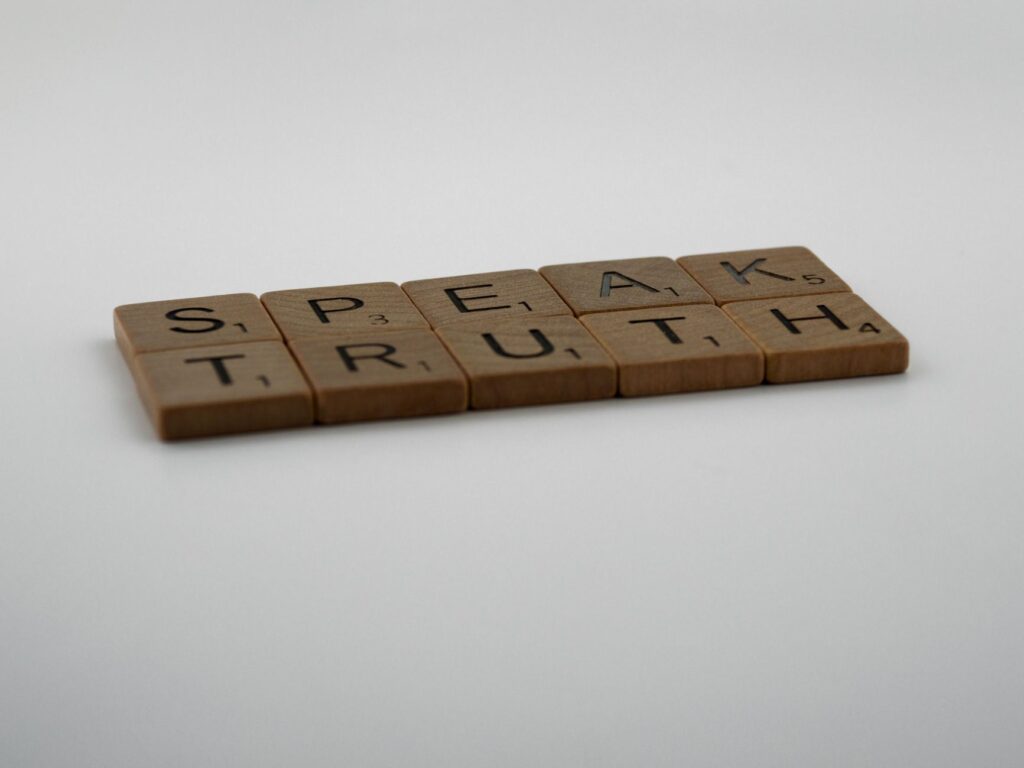
Truth and honesty are essential in fostering healthy Christian relationships. Ephesians 4:15 instructs us to “speak the truth in love,” highlighting that our communication should be both truthful and compassionate. This balance is crucial in building a supportive community where members can grow in faith together.
Moreover, 1 John 1:7 emphasizes the importance of transparency: “But if we walk in the light, as He is in the light, we have fellowship with one another, and the blood of Jesus His Son cleanses us from all sin.” Walking in truth enables us to experience authentic fellowship, where we can hold each other accountable and encourage spiritual growth.
In relationships, honesty strengthens trust and fosters deeper connections. Proverbs 27:6 states, “Faithful are the wounds of a friend; profuse are the kisses of an enemy.” This verse highlights that true friends will be honest with one another, even when it may be uncomfortable. By cultivating an environment where honesty is valued, we allow for growth and healing.
As Christians, our honesty and integrity serve as a testimony to the world about the character of God. Matthew 5:16 encourages us: “In the same way, let your light shine before others, so that they may see your good works and give glory to your Father who is in heaven.” When we embody truthfulness, we reflect God’s nature and attract others to Him.
Furthermore, 1 Peter 2:12 advises us to “keep your conduct among the Gentiles honorable, so that when they speak against you as evildoers, they may see your good deeds and glorify God on the day of visitation.” Our actions, grounded in truth and honesty, can serve as a powerful witness, challenging the negative perceptions many may have about Christians.
While truthfulness is vital, it can be difficult to maintain in the face of societal pressures. Romans 12:2 exhorts us, “Do not be conformed to this world, but be transformed by the renewal of your mind, that by testing you may discern what is the will of God, what is good and acceptable and perfect.” This transformation requires intentionality in our pursuit of truth, especially when the world offers conflicting messages.
The Bible clearly states that lying is contrary to God’s nature. In Proverbs 6:16-19, it lists lying among the things the Lord hates. Honesty is emphasized throughout Scripture, with God calling His people to truthfulness in all aspects of life.
Practicing honesty in relationships involves open communication, being transparent about your feelings, and addressing issues directly. It also means being truthful in your words and actions, fostering a culture of trust.
Dishonesty can lead to broken relationships, loss of trust, and spiritual consequences. Proverbs 10:9 warns that those who take crooked paths will be found out. Upholding honesty promotes integrity and strengthens connections with others.
Encouraging others to be truthful can start by modeling honesty in your own life. Create an environment where open dialogue is welcomed and appreciated. Recognize and affirm when others demonstrate honesty, reinforcing its importance.
Truth and honesty are not merely ideals to aspire to; they are essential components of our faith and character as Christians. By grounding ourselves in Scripture and embracing these virtues, we can reflect God’s character in a world that often values convenience over integrity. Through the power of the Holy Spirit, we can live out the truth, fostering trust and building meaningful relationships.
Weekly encouragement
Free Bible study guides, prayer help and a verse to carry through your week. No spam, unsubscribe anytime.



Join the conversation