Bible Verses About Church Family: Building Stronger Bonds
Explore encouraging Bible verses about church family and discover how to strengthen your bonds within the community of believers.
Key Takeaways
- Scripture emphasizes the importance of community.
- Church family provides support and love.
- Unity in Christ strengthens our relationships.
- We are called to serve and uplift one another.
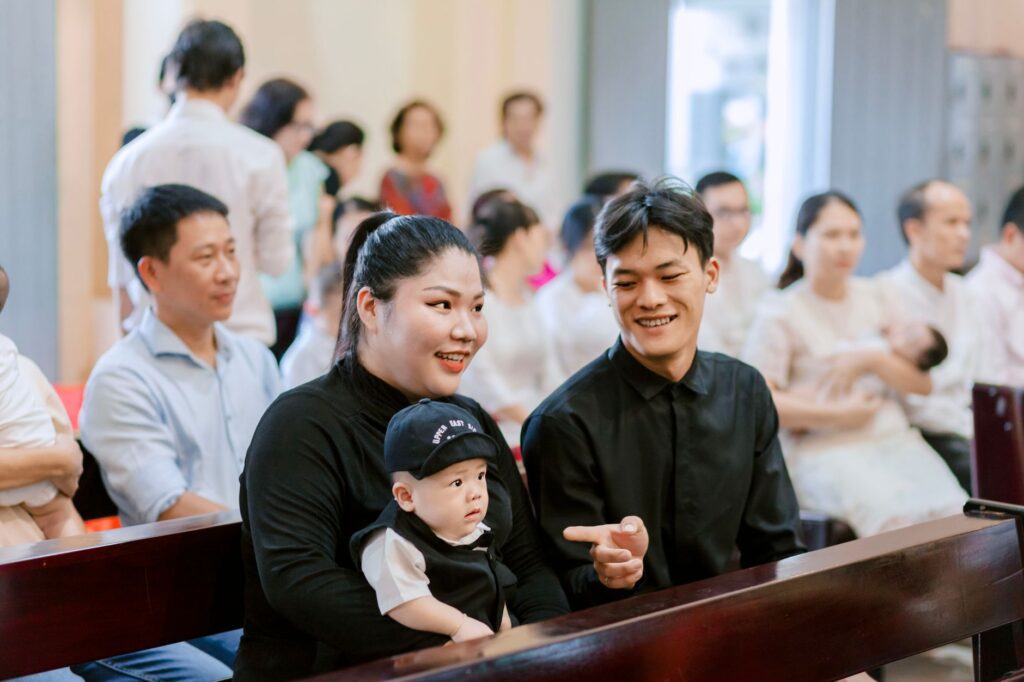
The concept of a church family is beautifully woven throughout Scripture, emphasizing the importance of fellowship, love, and support among believers. The Bible teaches that we are not merely individuals on our spiritual journeys, but rather members of a larger family united by faith in Jesus Christ. This article will explore various Bible verses about church family, illustrating the profound relationships that develop within a faith community.
Our church family serves as a source of encouragement during life’s trials and a place where we can grow spiritually together. When we gather as a church family, it is an opportunity to experience God’s love in action, as we support one another through prayer, service, and shared experiences.
By examining key verses related to the church family, we can gain a deeper understanding of our role within this sacred community. Let’s delve into what the Bible teaches about the significance of church as a family.
The Biblical Foundation of Church Family
The term “church family” is often rooted in the New Testament, where the early church exemplified the characteristics of a close-knit family. Acts 2:42-47 depicts the early Christians as devoted to the apostles’ teaching and fellowship, breaking bread together and praying. This passage highlights several key elements of a church family: teaching, fellowship, communal meals, and prayer.
In Acts 2:44-45, we see that the believers shared everything in common, selling their possessions to give to anyone in need. This radical generosity exemplifies the deep love and commitment members had for one another, embodying the essence of a family. The church was not merely a gathering of individuals; it functioned as a cohesive unit, caring for each other’s needs and supporting one another in faith.
Moreover, Galatians 6:2 calls us to “carry each other’s burdens, and in this way, you will fulfill the law of Christ.” This verse underscores the importance of mutual support within the church family, reminding us that we are called to help one another through difficulties, reflecting the love of Christ.
Building Strong Relationships Within the Church Family
Strong relationships within a church family are built on love, trust, and open communication. Ephesians 4:2-3 encourages believers to be “completely humble and gentle; be patient, bearing with one another in love. Make every effort to keep the unity of the Spirit through the bond of peace.” These qualities are essential for fostering a loving and supportive church environment.
Humility and gentleness allow us to approach one another with kindness, creating a safe space for sharing struggles and triumphs. Patience is vital, as we all grow in our faith at different paces. Bearing with one another in love ensures that we extend grace, understanding the complexities of each individual’s journey.
Additionally, Hebrews 10:24-25 contains a powerful reminder: “And let us consider how we may spur one another on toward love and good deeds, not giving up meeting together, as some are in the habit of doing, but encouraging one another.” Regular gatherings, whether in small groups or larger congregations, provide opportunities for encouragement, accountability, and growth, reinforcing the familial bonds within the church.

The Role of Service in a Church Family
Service is a cornerstone of what it means to be part of a church family. 1 Peter 4:10 states, “Each of you should use whatever gift you have received to serve others, as faithful stewards of God’s grace in its various forms.” By utilizing our unique gifts, we contribute to the well-being of the church family and the wider community.
Serving one another can take many forms, from volunteering for church events to providing meals for those in need. Consider the parable of the Good Samaritan in Luke 10:25-37, which teaches us to love our neighbors and care for those who are hurting. When we serve, we reflect Christ’s love and compassion, strengthening our bonds with one another.
Furthermore, service fosters a sense of belonging and purpose within the church family. When individuals actively participate in the life of the church, they become invested in its mission and vision, leading to deeper connections with fellow believers.
Encouragement and Support in Times of Need
Life can bring unexpected challenges, and during these times, the church family plays a critical role in providing support. Galatians 6:1-2 encourages believers to restore those caught in sin with gentleness, while also bearing each other’s burdens. This mindset fosters an environment where individuals feel safe to share their struggles without fear of judgment.
Illustratively, imagine a church member facing a job loss. Instead of isolating themselves in shame, they share their situation with their small group. The response is one of love and support: some offer to pray, others help update their resume, and a few even reach out to their networks to find job opportunities. This scenario exemplifies the active encouragement that a church family can provide, creating a strong web of support.
Moreover, James 5:16 reminds us of the power of confession and prayer: “Therefore confess your sins to each other and pray for each other so that you may be healed.” This practice not only fosters healing but also deepens trust and intimacy among church members, reinforcing the idea that we are in this journey together.
Unity in Diversity Within the Church Family
The church family is composed of individuals from diverse backgrounds, cultures, and experiences. 1 Corinthians 12:12-14 illustrates this beautifully, stating that just as a body is made up of many parts, so it is with Christ’s body, the church. Each member plays a unique role, contributing to the overall health of the family.
This diversity should be celebrated, as it reflects the creativity of God. Each person’s gift and perspective enrich the church family, leading to a more profound understanding of faith and community. Romans 12:4-5 emphasizes that we, though many, form one body in Christ and belong to each other, reinforcing the unity we share despite our differences.
Embracing diversity requires intentionality and humility. It invites us to learn from one another, to listen, and to understand various viewpoints. As we engage with one another, we create a stronger, more inclusive community that mirrors the heart of Christ.

Prayer as a Foundation for Church Family
Prayer is a vital aspect of nurturing relationships within a church family. Philippians 4:6-7 encourages us to bring our requests to God in prayer, assuring us that His peace will guard our hearts and minds. When we pray for one another, we invite God’s presence into our relationships, fostering unity and understanding.
Corporate prayer, whether in small groups or during church services, creates a powerful bond among believers. Acts 4:24 shows the early church praying together for boldness, and as they prayed, they experienced a fresh outpouring of the Holy Spirit. This communal prayer strengthens the church family, reminding us that we are united in purpose and vision.
Additionally, individual prayer for fellow members enhances relationships. Taking time to lift others in prayer shows care and concern, reinforcing the idea that we are invested in each other’s lives.
Frequent Fellowship and Connection
Regular fellowship is essential for maintaining a healthy church family dynamic. Acts 2:46 states, “Every day they continued to meet together in the temple courts. They broke bread in their homes and ate together with glad and sincere hearts.” This practice of meeting together fosters deep connections and shared experiences, building a strong sense of community.
In our modern context, fellowship can take many forms, potlucks, small groups, and service projects all provide opportunities to connect. These settings encourage conversations, laughter, and shared moments, which are vital for developing lasting relationships.
Furthermore, fellowship allows us to celebrate each other’s milestones, such as birthdays, anniversaries, or achievements. These moments create cherished memories and reinforce the ties that bind us as a church family.
The Importance of Accountability in the Church Family
Spiritual Growth Through Accountability
Accountability within the church family is essential for spiritual growth. In Galatians 6:1-2 (NIV), we are instructed to restore those who are caught in sin gently and to carry each other’s burdens. This mutual accountability encourages individuals to remain steadfast in their faith and to pursue holiness together. By holding one another accountable, church members can help each other navigate the challenges of life while fostering an environment where spiritual growth is prioritized.
Consider implementing small accountability groups within your church family. These groups can provide a safe space for individuals to share struggles, pray for one another, and hold each other accountable in their spiritual journeys. Here are some practical steps to form these groups:
- Identify potential group members who are seeking growth.
- Establish a regular meeting schedule.
- Encourage open and honest communication.
- Pray together and for one another regularly.
Encouragement Through Shared Experiences
Sharing experiences can significantly strengthen the bonds within a church family. In 2 Corinthians 1:3-4 (NIV), the Apostle Paul writes about the comfort we receive from God, which enables us to comfort others in their troubles. By sharing personal stories and experiences, church members can relate to one another and offer support through similar struggles. This practice not only fosters deeper relationships but also creates a culture of empathy and understanding.
Encourage members to share testimonies during church gatherings or small group meetings. This can serve as a powerful reminder of God’s faithfulness and how He works through our experiences. Here’s how to effectively encourage sharing:
- Designate time for testimonies during church services.
- Create a comfortable environment for sharing in small groups.
- Share your own experiences to set an example.
- Follow up with individuals who share to provide ongoing support.
Serving Together: The Heart of Community
Collaborative Ministry Projects
Serving together as a church family is a vital way to build stronger bonds and fulfill the Great Commission. Matthew 28:19-20 (NIV) commands us to go and make disciples of all nations. When church members engage in collaborative ministry projects, they not only fulfill this command but also create lasting memories and friendships. Working side by side in service fosters unity and helps to break down barriers between members.
Consider organizing various outreach projects that cater to the needs of your community. Here are some ideas for collaborative ministry projects:
- Community clean-up days
- Food drives for local shelters
- Visitation programs for the elderly or shut-ins
- Vacation Bible School or youth camps
Developing a Servant’s Heart
Serving others is not just about the act itself; it’s about developing a servant’s heart. In Mark 10:45 (NIV), Jesus reminds us that He came not to be served, but to serve. This attitude should permeate the church family, encouraging each member to look for ways to serve one another. When everyone takes on the mindset of a servant, the church family thrives and reflects the love of Christ.
Promote a culture of service by highlighting opportunities for service within the church and the community. Encourage members to step outside their comfort zones and try new forms of service. Here are some practical ways to cultivate a servant’s heart:
- Lead by example and actively engage in service projects.
- Recognize and celebrate acts of service within the church family.
- Provide training or workshops on how to serve effectively.
Conflict Resolution: Strengthening Church Bonds
Understanding Biblical Conflict Resolution
Conflict is inevitable in any community, including the church family. However, how conflict is handled can either strengthen or weaken relationships. In Matthew 18:15-17 (NIV), Jesus provides a clear process for addressing conflicts among believers. The first step is to approach the person privately to resolve the issue, emphasizing the importance of direct communication in maintaining unity.
Encouraging open dialogue and providing resources for conflict resolution can help church families navigate disagreements successfully. Consider offering workshops or discussions centered on biblical conflict resolution. Here are some key points to cover:
- Importance of approaching the person directly.
- Listening actively to understand the other person’s perspective.
- Seeking reconciliation and forgiveness.
- Involving a neutral party if necessary.
Fostering a Culture of Forgiveness
Forgiveness is a cornerstone of Christian relationships. Colossians 3:13 (NIV) urges us to forgive as the Lord forgave us. A culture of forgiveness allows church families to move past conflicts and continue to grow together. When members know they can be forgiven and are encouraged to forgive, they are more likely to maintain healthy relationships and support one another in Christ-like love.
To foster a culture of forgiveness, encourage church members to practice forgiveness regularly and teach about its biblical basis. Here are some practical actions to encourage forgiveness:
- Preach on the importance of forgiveness and its role in unity.
- Provide resources for those struggling to forgive.
- Model forgiveness in your own relationships.
Frequently Asked Questions
What does the Bible say about the church as a family?
The Bible emphasizes that the church is a family united in Christ, where believers support and love one another as seen in Acts 2:42-47 and Ephesians 4:2-3.
How can I strengthen my relationships within my church family?
You can strengthen relationships by actively participating in church activities, serving others, and engaging in open, honest communication.
What role does service play in the church family?
Service fosters a sense of belonging and purpose, allowing members to use their gifts for the benefit of others, as encouraged in 1 Peter 4:10.
Why is prayer important in a church family?
Prayer invites God’s presence into relationships, strengthens bonds, and promotes unity as seen in Philippians 4:6-7 and Acts 4:24.
The Bottom Line
The Bible teaches us that the church family is a vital aspect of our faith journey. Through love, support, service, and prayer, we can build strong relationships that reflect Christ’s love. Embracing our roles within this community allows us to grow spiritually and encourage one another in our walk with God.
Keep reading
More Church & Community →



Weekly encouragement
Grow in the Word, one email at a time.
Free Bible study guides, prayer help and a verse to carry through your week. No spam, unsubscribe anytime.
Join the conversation