I Will Fear No Evil Bible Verse: Finding Courage in God
Explore the profound meaning of the 'I Will Fear No Evil' Bible verse and how it brings comfort and strength in times of fear.

Key Takeaways
- Understanding the context of 'I will fear no evil'.
- The role of faith in overcoming fear.
- Practical applications of this verse in daily life.
- Encouragement for facing challenges with God's help.
In moments of uncertainty and fear, many Christians find solace in the words of Scripture. One of the most comforting passages is found in Psalm 23:4, which states, “Even though I walk through the valley of the shadow of death, I will fear no evil, for you are with me; your rod and your staff, they comfort me.” This verse encapsulates the profound assurance that God is with us, no matter how daunting our circumstances may seem.
The phrase “I will fear no evil” has resonated deeply with believers throughout history. It serves as a declaration of faith amid trials and tribulations. Understanding the context and implications of this verse can provide us with the courage needed to face our own fears and challenges.
In this article, we will explore the meaning of the “I Will Fear No Evil” Bible verse, its relevance in our lives today, and practical steps to apply its teachings to overcome fear and anxiety.
The Context of Psalm 23
The famous Psalm 23 was penned by King David, a shepherd who would later become a king. David’s life was marked by trials, including fleeing from enemies and facing personal failures. Thus, when he writes about walking through the valley of the shadow of death, he speaks from experience.
In ancient biblical times, the valley was often a place of danger and uncertainty. The imagery David uses evokes feelings of fear, fear of the unknown, fear of evil, and fear of death itself. Yet, he confidently proclaims that he will fear no evil because he recognizes God’s presence alongside him.
This acknowledgment reflects a deep understanding of God’s character. David knew that God is not only his shepherd but also his protector. The metaphor of the rod and staff signifies guidance and protection. The rod was used to defend against predators, while the staff was used to guide and steer the sheep.
Understanding Fear in Our Lives
Fear is a universal emotion that affects everyone at some point in life. It can manifest in various forms: fear of failure, fear of rejection, fear of the future, and even fear of death. Each of these fears can be paralyzing, preventing us from living life to the fullest.
However, fear can also serve a protective purpose, alerting us to danger and prompting us to take action. The challenge lies in how we respond to fear. Do we allow it to control us, or do we turn to our faith for strength?
In 2 Timothy 1:7, we read, “For God gave us a spirit not of fear but of power and love and self-control.” This verse reminds us that fear does not come from God; instead, He equips us with His power, love, and self-discipline to overcome our fears. By leaning into our faith, we can transform our fear into a source of strength.

The Role of Faith in Overcoming Fear
Faith is the antidote to fear. When we place our trust in God, we recognize that He is greater than any challenge we face. Believing in God’s promises allows us to shift our focus from our circumstances to His capabilities. In Isaiah 41:10, God reassures us, “Fear not, for I am with you; be not dismayed, for I am your God; I will strengthen you, I will help you, I will uphold you with my righteous right hand.”
Having faith means trusting that God is always present, even in the darkest valleys of our lives. Just as David found comfort in knowing that God was with him, we too can find reassurance in our relationship with Him. When we face our fears through the lens of faith, we are reminded that we do not walk alone.
Moreover, faith encourages us to take action despite our fears. It empowers us to confront challenges rather than avoid them. For instance, an individual may fear speaking in public, but through prayer and trust in God’s guidance, they can step out in faith and share their message. This act of courage not only helps to overcome fear but also strengthens faith.
Practical Steps to Apply “I Will Fear No Evil” in Daily Life
Applying the teachings of “I will fear no evil” requires intentionality. Here are practical steps to help you embody this verse in your everyday life:
- Pray Regularly: Establish a consistent prayer life where you bring your fears before God. Philippians 4:6-7 encourages us, “Do not be anxious about anything, but in everything by prayer and supplication with thanksgiving let your requests be made known to God.” This practice can help alleviate anxiety and foster peace.
- Read Scripture: Immerse yourself in the Word of God. Familiarize yourself with verses that speak to fear and God’s promises. Memorizing key verses can provide comfort in challenging moments.
- Seek Community: Surround yourself with fellow believers who can support you in your journey. Sharing fears and praying together fosters an environment of encouragement and accountability.
- Face Your Fears: Identify specific fears and take small steps toward overcoming them. Whether it’s initiating a difficult conversation or trying something new, taking action can diminish the power of fear.
- Practice Gratitude: Cultivating a grateful heart shifts our focus from fear to the blessings in our lives. Make a habit of listing things you are thankful for, recognizing God’s goodness.
Illustration: A Journey Through Fear
Imagine a young woman named Sarah, who has always struggled with anxiety. The thought of public speaking terrifies her, leading her to avoid opportunities that require her to speak in front of others. However, she feels called to share her testimony at her church’s women’s retreat.
In preparation, Sarah begins to pray fervently, seeking God’s guidance. She immerses herself in Scripture, particularly Psalm 23. Each time fear creeps in, she recalls, “I will fear no evil, for you are with me.” This mantra becomes her anchor.
With the support of her friends, Sarah takes small steps to confront her fear. She practices her speech in front of a mirror, then shares it with a trusted friend. On the day of the retreat, she still feels the butterflies in her stomach, but she walks up to the podium with confidence, knowing that God is with her.
As she speaks, she feels a sense of peace wash over her. Sarah realizes that her fear has not disappeared entirely, but her faith has empowered her to act despite it. By the end of her testimony, she receives encouragement from others who share similar struggles, and she feels a renewed sense of purpose.
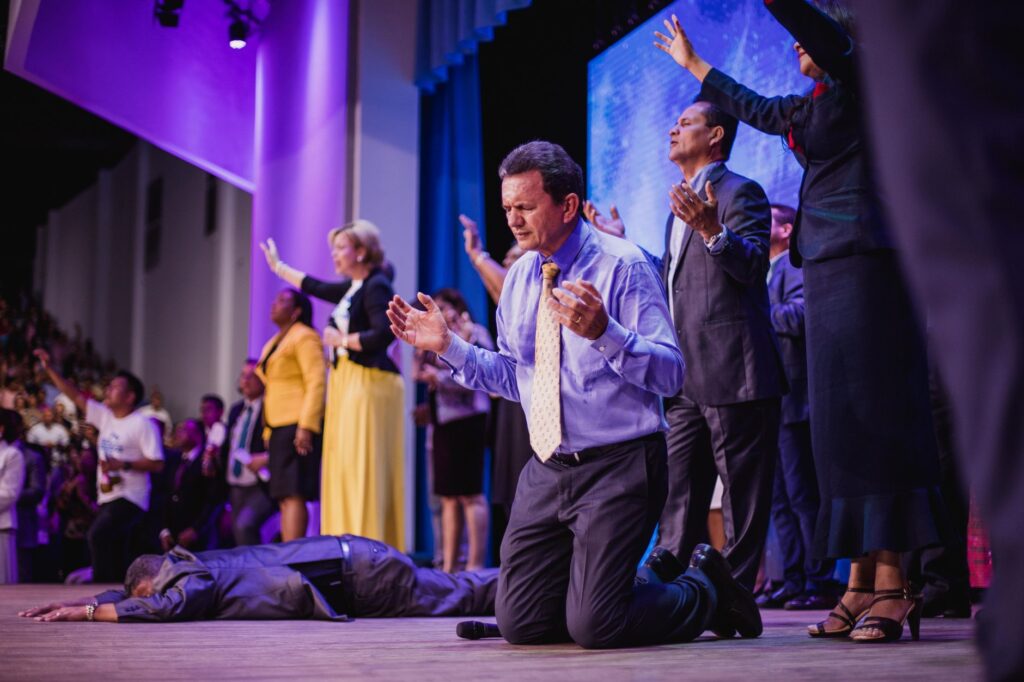
Encouragement from Other Scriptures
The Bible is filled with verses that echo the sentiments found in Psalm 23:4. Here are a few that provide additional encouragement when facing fear:
- Joshua 1:9: “Have I not commanded you? Be strong and courageous. Do not be frightened, and do not be dismayed, for the Lord your God is with you wherever you go.”
- Matthew 14:27: “But immediately Jesus spoke to them, saying, ‘Take heart; it is I. Do not be afraid.'”
- Romans 8:31: “What then shall we say to these things? If God is for us, who can be against us?”
- Isaiah 43:1-2: “Fear not, for I have redeemed you; I have called you by name, you are mine. When you pass through the waters, I will be with you; and through the rivers, they shall not overwhelm you; when you walk through fire you shall not be burned, and the flame shall not consume you.”
The Promise of God’s Presence
Understanding God’s Ever-Present Help
When we encounter fear, we often feel isolated and alone. However, Psalm 46:1 reminds us, “God is our refuge and strength, a very present help in trouble.” This verse assures us that God is not a distant deity but a close companion in our darkest times. His presence is a source of strength that can transform our fears into faith. In moments when anxiety threatens to overwhelm us, recognizing that God is right beside us can bring immense comfort.
God’s presence is not merely a comforting thought; it is a reality that we are invited to experience. In Isaiah 41:10, He says, “Fear not, for I am with you; be not dismayed, for I am your God; I will strengthen you, I will help you, I will uphold you with my righteous right hand.” This promise is a powerful reminder that we are never alone, and His support is unwavering, providing us the courage to face our fears.
The Role of Community in Experiencing God’s Presence
While our relationship with God is personal, the church community plays a crucial role in helping us experience His presence. In Matthew 18:20, Jesus stated, “For where two or three gather in my name, there am I with them.” This verse highlights the importance of fellowship among believers. When we gather in prayer and worship, we can collectively feel God’s presence, which can be a source of encouragement and strength in our struggles with fear.
- Engage in group prayer sessions.
- Participate in Bible study groups.
- Reach out for support during difficult times.
Sharing our fears and burdens with fellow believers not only lightens our load but also allows us to support one another. Together, we can remind each other of God’s promises and encourage one another to stand firm in faith.


Transforming Fear into Faith
The Process of Renewal
Transforming fear into faith is a process that requires intentionality. Romans 12:2 encourages us to “not be conformed to this world, but be transformed by the renewal of your mind.” Our thoughts play a significant role in how we perceive fear. By focusing on God’s truths rather than our circumstances, we can shift our perspective from one of fear to one of faith. This transformation is not instantaneous; it takes time and practice to retrain our minds to trust in God’s promises fully.
One practical way to begin this renewal process is through the practice of meditation on Scripture. Philippians 4:8 instructs us to think about whatever is true, honorable, just, pure, lovely, and commendable. By contemplating these qualities, we can replace fearful thoughts with those that align with God’s character.
Prayer as a Tool for Transformation
Prayer is another essential tool in the journey from fear to faith. Philippians 4:6-7 tells us, “Do not be anxious about anything, but in every situation, by prayer and petition, with thanksgiving, present your requests to God. And the peace of God, which transcends all understanding, will guard your hearts and your minds in Christ Jesus.” When we bring our fears to God through prayer, we invite His peace into our lives. This peace can help us to release our anxieties and trust in His plan.
- Set aside specific times for prayer.
- Keep a prayer journal to document fears and answers.
- Incorporate thanksgiving into your prayers.
By consistently engaging in prayer, we cultivate a deeper relationship with God, allowing Him to replace our fears with His perfect peace.
Examples of Courage in Scripture
Heroes of Faith Who Faced Fear
The Bible is filled with examples of individuals who faced fear head-on and triumphed through faith. One notable figure is Joshua, who was called to lead the Israelites into the Promised Land. In Joshua 1:9, God commands him, “Have I not commanded you? Be strong and courageous. Do not be frightened, and do not be dismayed, for the Lord your God is with you wherever you go.” Joshua’s courage was rooted in the assurance of God’s presence and promises.
Another powerful example is David, who faced Goliath when everyone else was paralyzed by fear. In 1 Samuel 17:37, David declares, “The Lord who delivered me from the paw of the lion and from the paw of the bear will deliver me from the hand of this Philistine.” His confidence in God’s past faithfulness fueled his courage to face the giant before him.
Lessons from Their Courage
These biblical heroes teach us valuable lessons about overcoming fear through faith. Here are a few key takeaways:
- Courage often requires action despite fear.
- Remembering God’s faithfulness can strengthen our resolve.
- God’s presence is a consistent source of courage.
By reflecting on their stories, we can draw inspiration and courage for our own lives, knowing that we, too, can face our fears with faith in God’s promises.
Frequently Asked Questions
What does “I will fear no evil” mean?
The phrase signifies a deep trust in God’s presence and protection, especially in times of danger or uncertainty. It reflects a believer’s confidence that God is always with them.
How can I overcome fear according to the Bible?
Overcoming fear involves prayer, reading Scripture, seeking community support, and taking practical steps to confront and address your fears.
Are there other Bible verses that address fear?
Yes, many verses, such as Isaiah 41:10 and Psalm 34:4, offer reassurance and encourage believers to trust in God amidst fear.
Why is faith important in dealing with fear?
Faith shifts our focus from our fears to God’s promises and power, providing strength and courage to face life’s challenges.
The Bottom Line
The “I Will Fear No Evil” Bible verse serves as a powerful reminder of God’s unwavering presence and protection. It challenges us to confront our fears with faith, knowing that we are never alone. By embracing this truth, we can navigate life’s uncertainties with courage and peace, trusting in the Lord’s promise to guide and uphold us in all circumstances.
Keep reading
More Overcoming Challenges and Trials →

How to Lean on Faith When Facing Personal Trials
Trusting God During Times of Uncertainty: Lessons from Scripture

Lessons from Job: Understanding Suffering and Restoration
Weekly encouragement
Grow in the Word, one email at a time.
Free Bible study guides, prayer help and a verse to carry through your week. No spam, unsubscribe anytime.
Join the conversation