Church Unity Bible Verse: Key Scriptures and Insights
Explore key Church Unity Bible Verses that inspire and encourage believers to work together in love and harmony.

Key Takeaways
- Unity is a biblical mandate for believers.
- Key verses emphasize the importance of love and peace.
- Practical steps can foster unity within the church.
- Real-life examples illustrate the power of unity.
Understanding Church Unity
Unity in the church is not merely a desirable trait; it is a biblical mandate. Throughout Scripture, believers are called to live in harmony with one another, reflecting the unity of the Body of Christ. This unity serves as a powerful testimony to the world, demonstrating the love and grace of God through His people.
As members of the Church, we are not just individuals; we are part of a larger community, the Body of Christ. Each member has a unique role, and together we fulfill God’s purpose. When we come together in unity, we create an environment where love flourishes, conflicts are resolved, and the Gospel is advanced.
This article will explore key Bible verses about church unity, practical steps to foster unity among believers, and the profound impact unity can have on our churches and communities.
Biblical Foundations of Church Unity
To understand the importance of church unity, we must first explore what the Bible says about it. Several key verses highlight the call for believers to maintain unity and the theological reasons behind this imperative.
Key Scripture References
- Ephesians 4:3 – “Make every effort to keep the unity of the Spirit through the bond of peace.” This verse emphasizes the active role we must take in preserving unity.
- Philippians 2:2 – “Then make my joy complete by being like-minded, having the same love, being one in spirit and of one mind.” Paul encourages the Philippians to think and act together in love.
- 1 Corinthians 1:10 – “I appeal to you, brothers and sisters, in the name of our Lord Jesus Christ, that all of you agree with one another in what you say and that there be no divisions among you, but that you be perfectly united in mind and thought.” Here, Paul addresses divisions in the church and calls for unity.
These verses not only highlight the importance of unity but also provide clear directives on how believers should live in harmony.
The Importance of Love in Unity
Love is the foundation of unity. Without love, any attempts at unity are superficial and short-lived. The Bible repeatedly shows that genuine love among believers is the key to maintaining harmony.
Key Verses on Love and Unity
- John 13:34-35 – “A new command I give you: Love one another. As I have loved you, so you must love one another. By this everyone will know that you are my disciples if you love one another.” This verse illustrates that love is the defining characteristic of a true disciple.
- Colossians 3:14 – “And over all these virtues put on love, which binds them all together in perfect unity.” Love acts as a glue, holding various virtues together and fostering a spirit of unity.
- 1 John 4:12 – “No one has ever seen God; but if we love one another, God lives in us and his love is made complete in us.” Our love for one another reflects God’s love and presence among us.
These verses indicate that love is not just an emotion but an actionable commitment that promotes unity. When we love genuinely, we create an atmosphere where unity can thrive.
Practical Steps to Foster Church Unity
While Scripture provides the foundation for unity, practical steps are essential in fostering this unity in our churches. Here are several actionable ways to encourage unity among believers.
Encourage Open Communication
Open and honest communication helps to prevent misunderstandings and resolves conflicts. Encouraging congregants to share their thoughts and feelings can create an atmosphere of trust.
Embrace Diversity
Churches often consist of members from various backgrounds, cultures, and experiences. Embracing this diversity can enrich the church community. Celebrating different cultures through events, music, and food can create bonding moments.
Prioritize Prayer
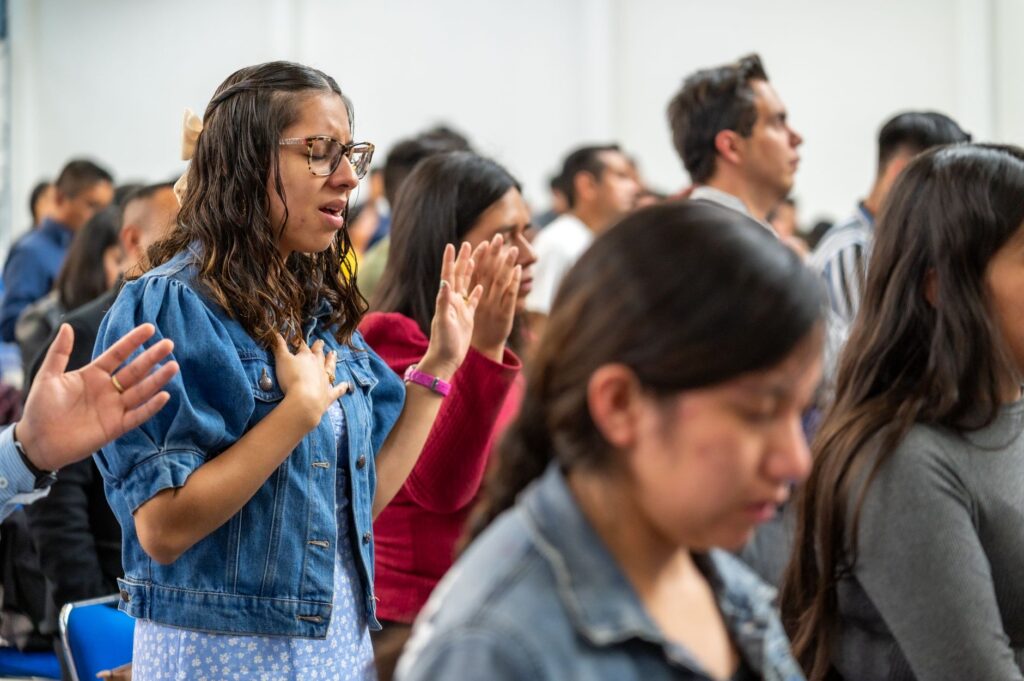
Prayer is a powerful unifier. Praying together as a congregation or in smaller groups helps to align hearts and minds with God’s will. Regular prayer meetings can foster deeper connections and a unified purpose.
Engage in Service Together
Working together on community service projects can also foster unity. When church members collaborate to serve others, they build relationships and strengthen their bond as a community.
Real-Life Illustration of Church Unity
Imagine a small church community that struggled with division over various issues, from worship styles to leadership decisions. The pastor recognized the need for unity and initiated a series of workshops focused on building relationships among members.
During these workshops, members shared their personal stories, learned about each other’s backgrounds, and participated in joint service projects. They discovered common ground in their love for Christ and their desire to reach out to the community.
Over time, this church transformed from a divided congregation into a unified body where members supported one another, celebrated diversity, and worked together for the Gospel. This story illustrates the power of intentional effort in fostering unity.

Challenges to Church Unity
Unfortunately, achieving and maintaining unity can be challenging. There are several obstacles that can threaten the unity of a church.
Common Sources of Division
- Doctrinal Disagreements – Differences in interpretation of Scripture can lead to conflict. It is vital to approach such discussions with humility and a willingness to listen.
- Personal Conflicts – Personal issues between members can spill over into the church community, creating tension. Encouraging forgiveness and reconciliation is crucial.
- Lack of Communication – When communication breaks down, misunderstandings can arise, leading to division. Establishing clear channels for communication is essential.
Addressing these challenges requires prayer, humility, and a commitment to the principles of love and unity found in Scripture.
The Role of Prayer in Achieving Church Unity
The Power of Collective Prayer
Prayer is a vital tool that brings the church body together, fostering unity among its members. Jesus emphasized the importance of communal prayer, as seen in Matthew 18:19-20, where He states, “Again, I tell you that if two of you on earth agree about anything they ask for, it will be done for them by my Father in heaven. For where two or three gather in my name, there am I with them.” This promise highlights the significance of coming together in prayer, allowing believers to voice their concerns and aspirations collectively.
When a church engages in unified prayer, it cultivates a spirit of collaboration and shared purpose. This can lead to deeper relationships among members and heightened sensitivity to one another’s needs. A practical way to enhance this practice is through:
- Regular prayer meetings
- Prayer chains for specific concerns
- Prayer partners within the congregation
Prayer as a Means of Conflict Resolution
Disagreements and conflicts are inevitable in any community, including the church. However, prayer can serve as a powerful mechanism for resolving these issues. In Philippians 4:6-7, Paul instructs believers, “Do not be anxious about anything, but in every situation, by prayer and petition, with thanksgiving, present your requests to God. And the peace of God, which transcends all understanding, will guard your hearts and your minds in Christ Jesus.” Here, Paul encourages the church to turn their anxieties into prayers, allowing God’s peace to reign in their hearts.
When conflicts arise, turning to prayer together can diffuse tension and lead to reconciliation. Both parties can approach God, seeking His wisdom and guidance, which can lead to a resolution that honors Him and promotes unity. Steps to implement prayer in conflict resolution include:
- Setting aside time for prayer before discussions
- Encouraging each party to express their feelings to God
- Seeking a neutral mediator to lead a prayerful conversation

The Impact of Leadership on Church Unity
The Example Set by Church Leaders
Leaders within the church play a crucial role in promoting unity among the congregation. In 1 Timothy 3:1-2, Paul outlines the qualifications for leaders, emphasizing the necessity of being above reproach. A leader’s character and behavior set the tone for the entire church community. When leaders model humility, grace, and servant-heartedness, they encourage the same attitudes among their members.
Leadership should not be seen as a position of power but rather as a call to serve. Jesus exemplified this in Mark 10:42-45, where He taught His disciples that true greatness is found in serving others. By embodying these principles, leaders can cultivate a culture of unity and cooperation. Key attributes for church leaders to foster unity include:
- Exemplifying Christ-like humility
- Encouraging open communication
- Promoting inclusivity and diversity within the church
Empowering Members Through Shared Responsibilities
Another dimension of leadership’s impact on unity lies in empowering church members to take on responsibilities. Ephesians 4:11-13 tells us that God has given various roles within the church for the purpose of building up the body of Christ. When members feel valued and included in ministry efforts, they are more likely to invest in the church’s mission and work collaboratively.
Providing opportunities for members to use their spiritual gifts fosters a sense of belonging and commitment. When individuals are encouraged to serve in their areas of passion, it not only strengthens their personal faith but also enhances the overall unity of the church. Some ways to empower members include:
- Creating volunteer opportunities that align with members’ gifts
- Encouraging small group participation
- Recognizing and celebrating individual and group contributions
The Role of Doctrine in Church Unity
The Importance of Sound Doctrine
Doctrine serves as the foundation upon which the church is built. In 2 Timothy 4:3-4, Paul warns that there will come a time when people will not put up with sound doctrine but will instead gather around them a great number of teachers to say what their itching ears want to hear. This underscores the need for churches to remain committed to biblical truth to maintain unity.
When a church adheres to sound doctrine, it fosters an environment of stability and clarity. Members can unite around core beliefs that are biblically grounded, which helps to avoid divisions based on personal interpretations or preferences. Essential doctrines that promote unity include:
- The Deity of Christ
- The Trinity
- Salvation by grace through faith
Addressing Doctrinal Differences with Grace
While doctrine is essential for unity, it is also important to recognize that differences can arise even among believers who hold to the core tenets of faith. Romans 14:1-4 instructs us to accept those whose faith is weak, without quarreling over disputable matters. This passage reminds us that love and acceptance should prevail even amidst differing opinions.
Churches should create an atmosphere where respectful dialogue is encouraged, and members feel safe discussing differing views. This can help foster a sense of unity that transcends personal beliefs. Steps to address doctrinal differences gracefully include:
- Encouraging open discussions in a spirit of love
- Focusing on the essentials of faith while allowing room for differing opinions
- Practicing patience and understanding in discussions
Frequently Asked Questions
What does the Bible say about unity in the church?
The Bible emphasizes unity as a crucial aspect of the church. Verses like Ephesians 4:3 and Philippians 2:2 encourage believers to work together in love and harmony.
How can I promote unity in my church?
Promote unity by encouraging open communication, embracing diversity, prioritizing prayer, and engaging in service projects together.
Why is love essential for church unity?
Love is essential because it binds believers together, creating an atmosphere where unity can thrive. Scriptures like Colossians 3:14 highlight love as the key element for perfect unity.
What should I do if there is division in my church?
If there is division, approach the situation with humility and seek to understand different perspectives. Encourage open dialogue and pray for reconciliation among members.
The Bottom Line
Church unity is a vital aspect of the Christian faith, rooted in Scripture and expressed through love. By focusing on key Bible verses, practical steps, and the importance of love, we can foster unity within our churches. As we strive for unity, we reflect the nature of Christ and serve as a powerful witness to the world around us.
Keep reading
More Relationships →

What The Bible Teaches About Setting Healthy Boundaries In Dating

How To Maintain Christian Friendships Through Major Life Transitions

The Biblical Blueprint For Finding And Nurturing A Spiritual Mentor
Weekly encouragement
Grow in the Word, one email at a time.
Free Bible study guides, prayer help and a verse to carry through your week. No spam, unsubscribe anytime.
Join the conversation