Whom Shall I Fear? Finding Strength in Scripture
Discover the Bible verse 'Whom shall I fear?' and how it empowers us against fear and anxiety with key insights and practical applications.

Key Takeaways
- Understand the context of the phrase 'Whom shall I fear?'
- Explore key Bible verses that address fear and courage.
- Learn practical steps to overcome fear through faith.
- Reflect on God's promises for protection and strength.
Fear is a universal experience, often creeping in during moments of uncertainty. When life becomes overwhelming, we may find ourselves asking, ‘Whom shall I fear?’ This question, rooted in Scripture, invokes a powerful reminder of God’s presence and protection. Understanding the biblical context behind this phrase can transform our perspective on fear, encouraging us to lean into faith rather than doubt.
The phrase ‘Whom shall I fear?’ is derived from Psalm 27:1, where the psalmist declares, “The Lord is my light and my salvation; whom shall I fear? The Lord is the stronghold of my life; of whom shall I be afraid?” This declaration not only acknowledges the reality of fear but also asserts the supremacy of God over our fears. By exploring this verse and its implications, we can find solace and strength in challenging times.
In this article, we will delve deep into the meaning of ‘Whom shall I fear?’ and examine various Scriptures that provide guidance and encouragement in the face of fear. Through practical applications and relatable illustrations, we aim to equip you with the tools to confront fear with faith.
Understanding the Meaning of ‘Whom Shall I Fear?’
Psalm 27:1 poses a profound question that resonates deeply with many believers. It invites us to reflect on the nature of our fears and the object of our trust. The psalmist, David, expresses confidence in God as his protector and guide. This confidence is not based on circumstances but on the character of God. It is essential to recognize that fear is not inherently sinful; it is a natural human emotion. However, how we respond to fear dictates our spiritual growth and reliance on God.
The declaration in Psalm 27:1 can be broken down into two central themes: the acknowledgment of fear and the proclamation of faith in God. When we confront fear, acknowledging its presence is the first step toward overcoming it. Instead of suppressing our fears, we can bring them before God, asking for His guidance and strength. As we do this, we must also remember the second part of the verse: God is our light and salvation. This truth shifts our perspective from fear to faith, enabling us to trust in His power.
Furthermore, the psalmist refers to the Lord as the “stronghold of my life.” A stronghold represents a place of safety and security. In ancient times, cities often had strongholds to protect them from enemies. Similarly, God serves as our refuge during times of trouble. When we recognize God as our stronghold, we can approach life’s challenges with a sense of security, knowing that we are not alone.
Key Bible Verses About Fear
In addition to Psalm 27:1, the Bible offers numerous verses that address fear and provide comfort. Here are a few key Scriptures to meditate on:
- Isaiah 41:10: “Fear not, for I am with you; be not dismayed, for I am your God; I will strengthen you, I will help you, I will uphold you with my righteous right hand.” This verse reassures us that God is present and ready to support us in our times of need.
- 2 Timothy 1:7: “For God gave us a spirit not of fear but of power and love and self-control.” This verse reminds us that fear does not come from God; instead, He empowers us with the strength to overcome it.
- Psalm 56:3-4: “When I am afraid, I put my trust in you. In God, whose word I praise, in God I trust; I shall not be afraid. What can flesh do to me?” Here, the psalmist illustrates the importance of placing trust in God in the face of fear.
- Matthew 6:34: “Therefore do not be anxious about tomorrow, for tomorrow will be anxious for itself. Sufficient for the day is its own trouble.” Jesus encourages us to focus on today rather than worrying about the future, which can often be a source of fear.
These verses, among many others, remind us that God is aware of our fears and provides us with the encouragement we need to face them. They underscore the importance of faith, trust, and reliance on God’s character.

Practical Steps to Overcome Fear
While understanding Scripture is essential, practical steps can help us apply these teachings in our daily lives. Here are several actionable steps to overcome fear:
- Identify Your Fears: Take time to reflect on what you are afraid of. Write down specific fears and the thoughts associated with them. Identifying fears can often diminish their power over us.
- Pray and Seek God’s Guidance: Bring your fears to God in prayer. Ask Him to provide clarity, strength, and peace. Remember that prayer is not just about asking for help; it is also an opportunity to listen and receive God’s comfort.
- Engage in Scripture Meditation: Regularly read and meditate on verses about fear and God’s promises. Choose a verse that resonates with you and memorize it. This practice can help reinforce your faith.
- Surround Yourself with Support: Connect with fellow believers who can encourage you in your journey. Sharing your fears with trusted friends or a church community can provide additional strength and perspective.
- Take Action: Sometimes, fear can paralyze us. Identify small, manageable steps you can take to confront your fears. This might involve stepping out of your comfort zone or tackling a specific issue head-on.
Each of these steps can serve as a guide to transform your fear into faith. It is a process that requires patience and intentionality, but it is possible with God’s help.
Illustration: Facing Fear in Everyday Life
Consider a situation where a young woman named Sarah faced a significant career decision. She had received a job offer in a city far from her hometown, but the thought of leaving her family and friends filled her with anxiety. Sarah found herself asking, ‘Whom shall I fear?’ The fear of the unknown was daunting, but she chose to confront it.
Rather than succumbing to her anxiety, Sarah took practical steps to address her fears. She began by writing down her fears: the fear of loneliness, the fear of failure, and the fear of not fitting in. Acknowledging these fears allowed her to see them for what they were, obstacles that could be overcome.
Next, Sarah turned to prayer, asking God for direction and peace. She also sought out verses from Scripture that spoke to her heart. Verses like Isaiah 41:10 became her anchor during this tumultuous time. As she reflected on God’s promises, her perspective began to shift from fear to faith.
Ultimately, Sarah made the decision to accept the job offer, trusting that God would be with her every step of the way. By leaning into her faith and taking actionable steps, she was able to face her fears with courage and hope.
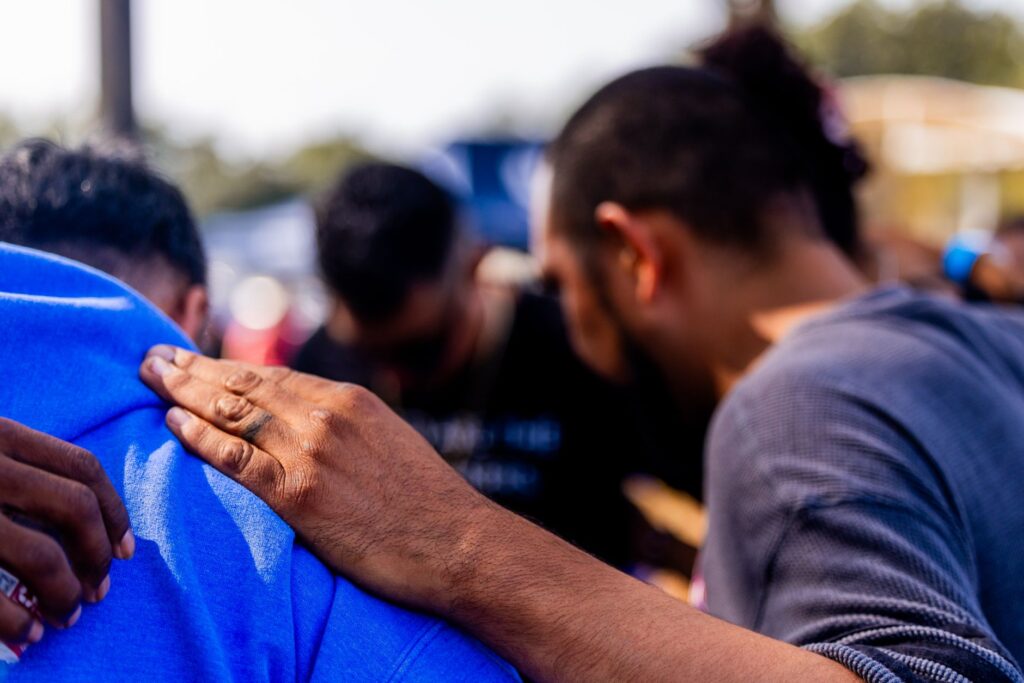
God’s Promises of Protection and Strength
Throughout the Bible, God reassures His people of His protection and strength. These promises serve as a foundation for our faith, providing comfort and encouragement when fear threatens to overwhelm us. Here are several key promises to remember:
- God is Our Refuge: Psalm 91:2 says, “I will say to the Lord, ‘My refuge and my fortress, my God, in whom I trust.'” This verse encourages us to see God as a safe place in times of trouble.
- He Will Never Leave Us: Deuteronomy 31:6 states, “Be strong and courageous. Do not fear or be in dread of them, for it is the Lord your God who goes with you. He will not leave you or forsake you.” This promise reassures us of God’s constant presence.
- His Strength is Made Perfect: 2 Corinthians 12:9 reminds us that God’s grace is sufficient, and His power is made perfect in our weakness. When we feel fearful and inadequate, we can rely on God’s strength to carry us through.
These promises remind us that we are never alone in our struggles. God stands ready to support and protect us, allowing us to face our fears with confidence.
The Role of Community in Overcoming Fear
Supportive Relationships
One of the most powerful antidotes to fear is the presence of a supportive community. The Bible emphasizes the importance of fellowship among believers. In Hebrews 10:24-25, we are encouraged to spur one another on toward love and good deeds, and not to give up meeting together. This fellowship fosters an environment where we can share our fears and struggles, reminding us that we are not alone in our battles.
Consider forming or joining a small group where you can openly discuss your fears in a safe and loving environment. This can be a source of encouragement in moments of doubt. Here are some ways to engage with your community:
- Attend church services regularly to build connections.
- Join a Bible study group focused on the themes of fear and faith.
- Volunteer for community outreach programs to serve alongside others.
Sharing Personal Testimonies
When we share our experiences of overcoming fear, we can inspire and uplift others. In Revelation 12:11, it states that they triumphed over him by the blood of the Lamb and by the word of their testimony. Your story may resonate with someone else who is struggling with similar fears. Testimonies serve as a testament to God’s faithfulness and power to deliver us from our fears.
Consider hosting a testimony night where individuals can share their stories of how God helped them through times of fear. This not only builds faith in others but also strengthens your own belief in God’s promises.


The Impact of Prayer on Fear
Prayer as a Shield Against Fear
Prayer is one of the most effective tools we have in combating fear. In Philippians 4:6-7, Paul instructs us to not be anxious but to present our requests to God through prayer and petition. When we bring our fears before God, we invite His peace to guard our hearts and minds. This peace is not dependent on our circumstances but is rooted in our faith in God.
When praying about your fears, consider these steps:
- Identify specific fears and write them down.
- Pray for guidance and strength to face these fears.
- Express gratitude for God’s past faithfulness.
Intercessory Prayer
Moreover, intercessory prayer, where we pray for others, can also alleviate our fears. When we focus on the needs of others, our own fears often diminish. James 5:16 encourages us to pray for one another so that we may be healed. This not only helps those we pray for but also fosters a sense of community and support that can help us face our own fears.
Consider starting an intercessory prayer group where members can pray for each other’s fears and challenges. This practice not only builds relationships but also reinforces the idea that we are in this together, under God’s care.
Learning from Biblical Figures Who Faced Fear
<h3.Moses: Embracing God's Calling
Moses is a prime example of someone who faced immense fear yet trusted in God’s calling. When God called Moses to lead the Israelites out of Egypt, he expressed fear and doubt about his abilities (Exodus 3:11). Yet God assured him of His presence, stating, “I will be with you” (Exodus 3:12). Moses’ journey illustrates that fear often accompanies divine assignments, but with faith, we can accomplish great things.
Reflect on areas in your life where you feel God is prompting you but fear is holding you back. Consider these questions:
- What are the fears that hinder my obedience?
- How can I remind myself of God’s promises in my situation?
- What steps can I take this week to act on God’s calling despite my fears?
David: Finding Courage in Worship
King David faced numerous fears throughout his life, from battling Goliath to fleeing from Saul. Despite these challenges, David often turned to worship as a means of finding strength (Psalm 34:4). He wrote, “I sought the Lord, and He answered me; He delivered me from all my fears.” David’s life shows us that worship can be a powerful way to reframe our fears, focusing on the greatness of God.
Incorporate worship into your daily routine, whether through singing, listening to music, or reading Psalms. Here are some ways to do this:
- Start each day with a worship song that speaks to your heart.
- Keep a journal of songs that uplift you during fearful times.
- Engage in corporate worship to feel the power of community.
Frequently Asked Questions
What does the phrase ‘Whom shall I fear?’ mean?
The phrase ‘Whom shall I fear?’ originates from Psalm 27:1, where the psalmist expresses confidence in God’s protection and presence. It signifies the believer’s trust in God over their fears.
How can I overcome my fears according to the Bible?
Overcoming fear involves identifying specific fears, praying for guidance, meditating on Scripture, seeking support from others, and taking small actions to confront those fears. Trusting in God’s promises is key.
What are some Bible verses about fear?
Key Bible verses that address fear include Isaiah 41:10, 2 Timothy 1:7, Psalm 56:3-4, and Matthew 6:34. These verses emphasize God’s presence and our call to trust Him.
How can prayer help with fear?
Prayer allows us to bring our fears before God, seek His guidance, and receive His peace. It fosters a deeper relationship with God and reinforces our trust in His ability to handle our concerns.
The Bottom Line
Fear is a natural part of life, but it does not have to control us. Through the lens of Scripture, particularly the phrase ‘Whom shall I fear?’ from Psalm 27:1, we are reminded of God’s unwavering presence and protection. By leaning into faith, engaging with God’s Word, and taking practical steps, we can face our fears with courage and strength. Remember, God is a refuge, and with Him, we need not be afraid.
Keep reading
More Overcoming Challenges and Trials →


Weekly encouragement
Grow in the Word, one email at a time.
Free Bible study guides, prayer help and a verse to carry through your week. No spam, unsubscribe anytime.
Join the conversation